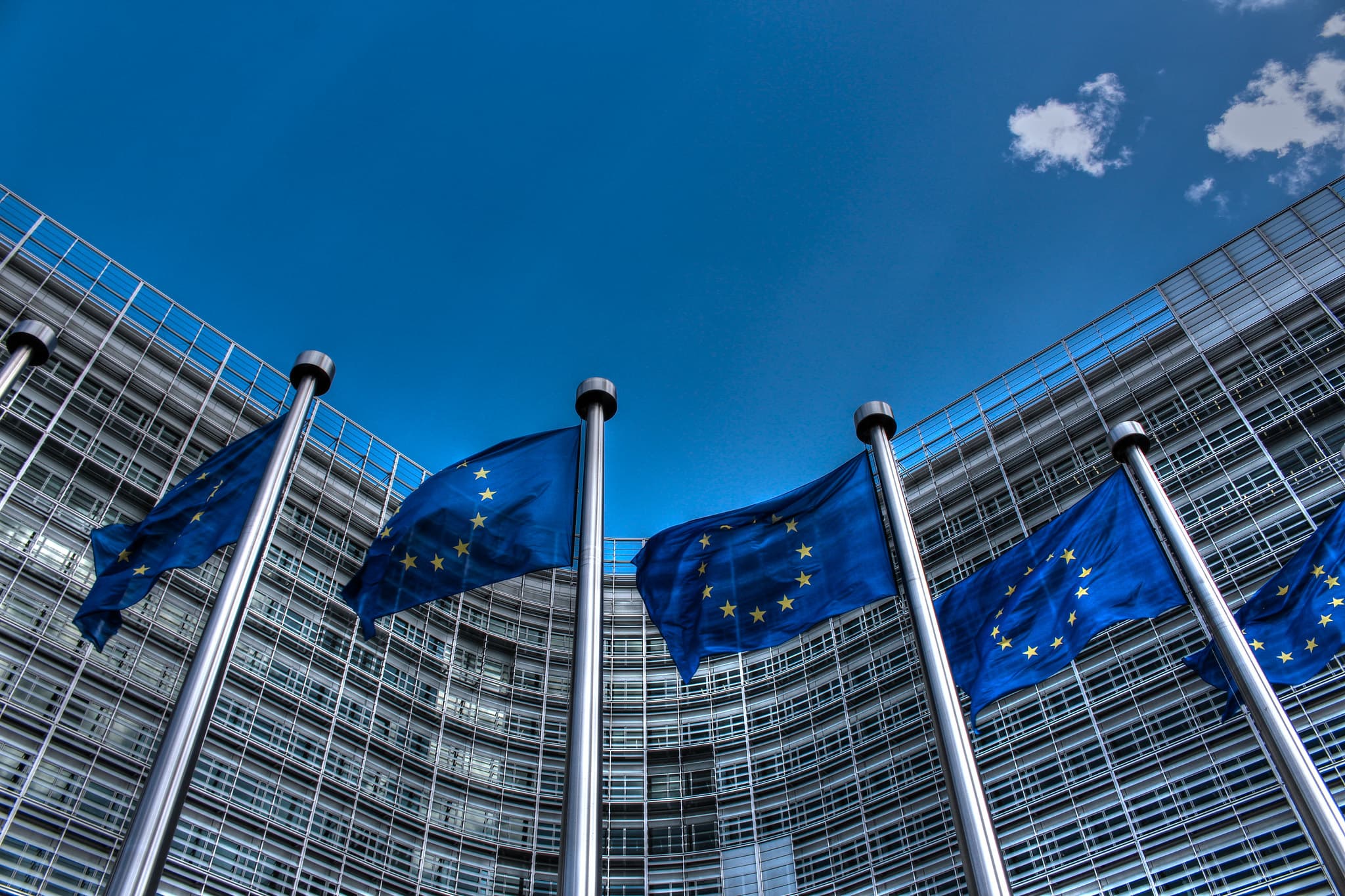
BRUSSELS — The European Union has not admitted any new members in 13 years, since Croatia joined in 2013. Now, during global instability and great-power competition, leaders face mounting pressure to resume expansion.
Brussels grapples with internal skepticism. Candidate country leaders demand faster progress; existing EU governments worry their voters and the bloc's current structure cannot absorb new members.
Russia's invasion of Ukraine shifted enlargement from a political goal to a security imperative, accelerating a decade of stagnation. Montenegro, with 620,000 people, leads the queue. It has completed more than half the required reforms. EU governments have begun drafting formal legislation for its entry and allocated billions of euros in the bloc's upcoming shared budget.
Ukraine and Moldova, both facing Russian threats, have started formal entry negotiations. Albania is fulfilling reform requirements. Prime Minister Edi Rama said the country is "in the best moment in many ways" and has "a clear path towards the European Union."
Ilir Deda, analyst at the Institute for Human Sciences in Vienna, said the geopolitical crisis has created "a pressure moment to think seriously about what Europe is, and make a credible beneficial offer to aspiring members."
In June, European Commission President Ursula von der Leyen and European Council President António Costa released a joint statement describing enlargement as "one of the EU's greatest success stories." They said the EU's offer of "peace, stability and opportunity is unmatchable" and that "enlargement is a strategic choice."
Yet prospective members are questioning Brussels' sincerity. The EU is considering extensive changes to the accession process, introducing more gradual integration as countries advance. EU officials frame this as responsible growth management. Some candidate countries see it as a pathway to a tiered membership system that could further delay entry.
Candidate nations already hesitate to implement unpopular reforms, lacking confidence in Brussels' promises of reward—even as the bloc criticizes them for failing to pass necessary legislation.
Beyond Montenegro and Albania, other Western Balkan aspirants—Serbia, North Macedonia, Bosnia and Herzegovina, and Kosovo—have made little progress in recent years. Some have regressed in their reform efforts. Even Montenegro remains years away from full membership, casting doubt on timelines for Ukraine and other nations.


