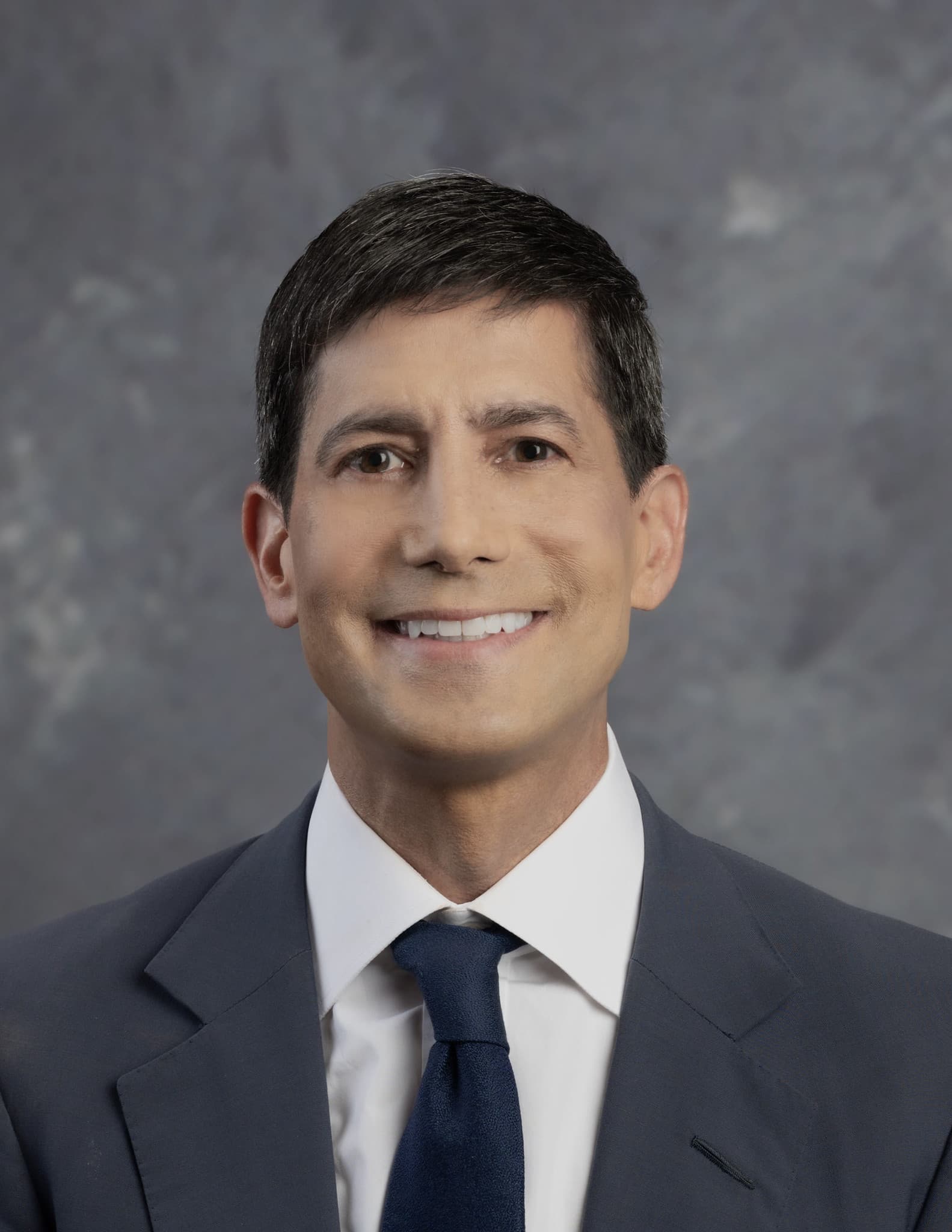
BERKSHIRE Hathaway CEO Greg Abel is making a decisive bet: consumer lenders are headed for trouble, but airlines and homebuilders stand to benefit from falling interest rates.
During the second quarter, Abel trimmed Berkshire's Bank of America stake by 6 percent, cut Ally Financial by 7 percent, and slashed Capital One by 58 percent. Simultaneously, he increased the position in Delta Air Lines, added to Lennar, and initiated a new position in D.R. Horton.
The logic is straightforward. Ally and Capital One derive heavy revenue from consumer lending—auto loans and credit cards. With consumers financially strained and borrowing costs elevated, loan losses will rise. Bank of America, while more diversified across commercial lending and investment banking, is not immune to consumer credit deterioration.
The move abandons a traditional Berkshire thesis. Bank stocks have performed well this year, offering diversification from artificial intelligence exposure. A steepening yield curve—where long-term yields exceed short-term yields—typically benefits banks, which borrow short and lend long. Yet Abel is betting that credit quality will deteriorate faster than the yield curve can compensate.
Delta, by contrast, is positioned to benefit from rate cuts. The airline carries $13.6 billion in debt at the end of Q2, with 22 percent subject to variable rates. Lower rates directly reduce interest expense. More broadly, falling rates stimulate economic activity, boosting consumer and business travel demand.
Lennar and D.R. Horton tell the same story. High mortgage rates and elevated home prices have crushed housing demand. The 10-year Treasury yield, which directly influences mortgage rates, remains the key constraint. If the Federal Reserve cuts rates as markets currently expect, mortgage rates fall, affordability improves, and homebuilder volumes recover.
Abel's portfolio moves over his first two full quarters suggest he is willing to make aggressive sector rotations. He quickly elevated Alphabet to one of Berkshire's largest holdings, signaling conviction in artificial intelligence. This quarter's shift away from consumer lenders and into cyclicals tied to rate cuts shows he is not wedded to any single thesis.
The question for investors: Is Abel ahead of the curve on rate cuts, or is he frontrunning a Fed pivot that may not materialize? If rates fall as he appears to be positioning for, Delta and the homebuilders will rerate significantly higher. If rates stay elevated, the bank trims look prescient on credit, but the cyclical bets will underperform.