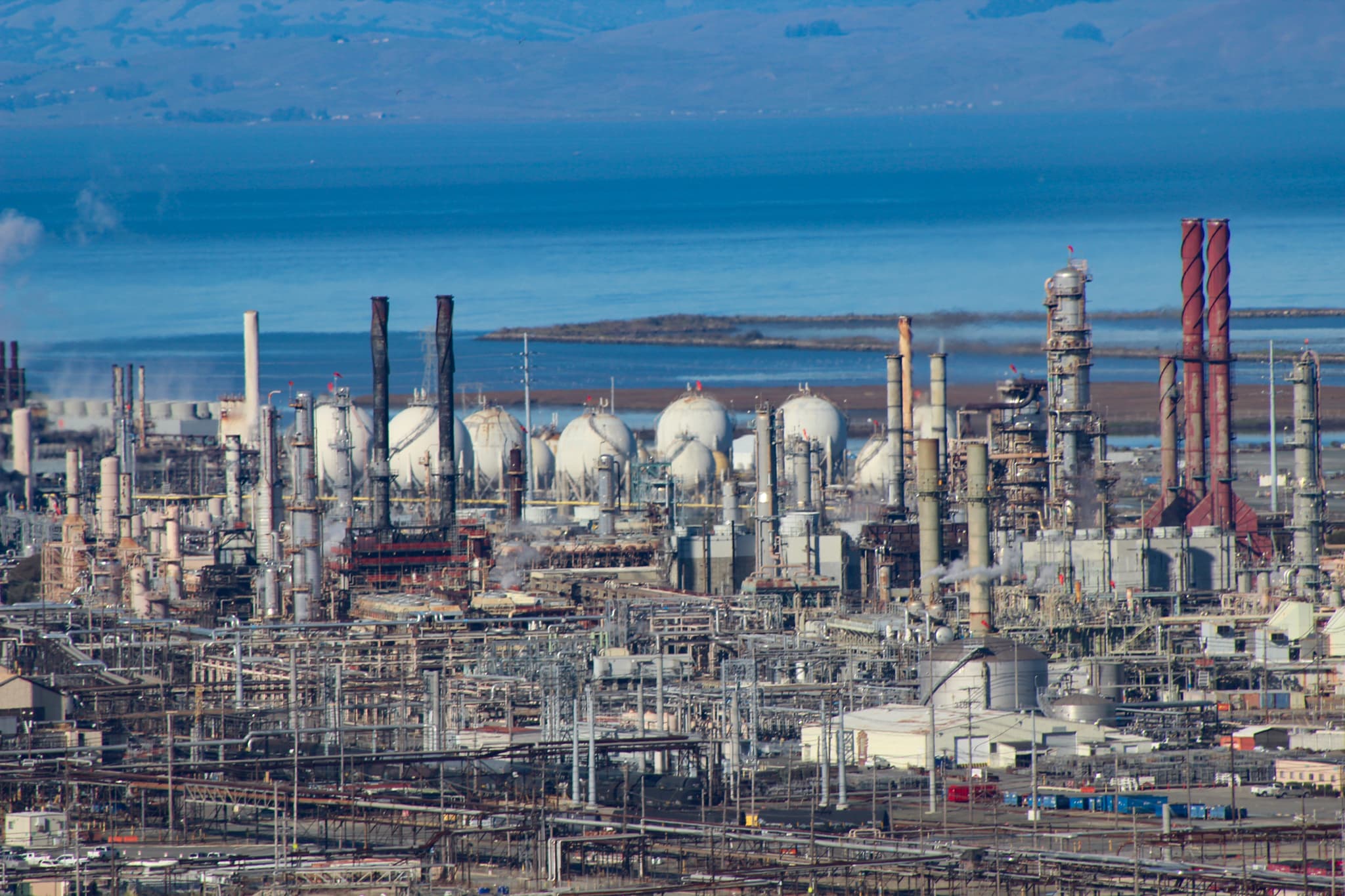
U.S. Energy Secretary Wright and Venezuelan President Rodriquez held a joint news conference signaling a potential easing of restrictions on Venezuelan oil exports. The meeting marks a strategic pivot in U.S. energy policy that could unlock production capacity Chevron has held in reserve.
Chevron stands as the primary direct beneficiary. The company's joint ventures with Venezuela's state-owned PDVSA control assets capable of ramping production by hundreds of thousands of barrels per day. Increased output from these ventures would flow directly to Chevron's bottom line—each 100,000 barrels daily at current margins could add roughly $2 billion in annual cash flow.
The market has underpriced this upside. Chevron trades at a discount to peers like ExxonMobil due to geopolitical risks that the diplomatic shift now diminishes. Unlocking Venezuelan production improves Chevron's five-year production growth profile and reserve replacement ratio, metrics that typically command premium valuations for integrated oil majors.
Increased Venezuelan crude will likely pressure global oil prices. But Chevron's ability to produce at low all-in cost in this high-margin region means falling prices hurt competitors more than Chevron. This asymmetry is the bull case: Chevron gains market share and production leverage while maintaining competitive returns.
The next catalyst is Treasury Department guidance on specific licensing terms for U.S. operators in Venezuela. Clarity on export volumes and payment mechanisms is expected within weeks. A clean authorization—allowing Chevron to scale production without operational delays—would justify a revaluation of the stock.
Chevron's Venezuelan position was a liability under strict sanctions. It is now a hidden asset.


