GoPro filed a going-concern warning in 2026, indicating substantial doubt about its ability to continue operations for the next 12 months. The company burned $37 million quarterly, reflecting a structural shift in consumer electronics where integrated smartphone capabilities have displaced dedicated hardware.
The firm, founded in 2002, peaked at a $10 billion market value. Its action cameras defined point-of-view recording for sports and adventure content, establishing a durable category.
Smartphone advancement has systematized that erosion. Modern flagship devices from Apple and Android manufacturers now integrate ultra-wide-angle lenses and advanced stabilization systems—capabilities that once justified a dedicated device. For casual vlogging and daily use, these integrated features meet most consumer needs at zero incremental cost.
An analyst described GoPro cameras as "irrelevant to anyone beyond hardcore sports enthusiasts or professional creators." That narrowing defines the math: GoPro shrunk from a mass-market category to a vertical slice. Simultaneously, Chinese competitors undercut on price and closed the quality gap, eroding both market share and pricing power.
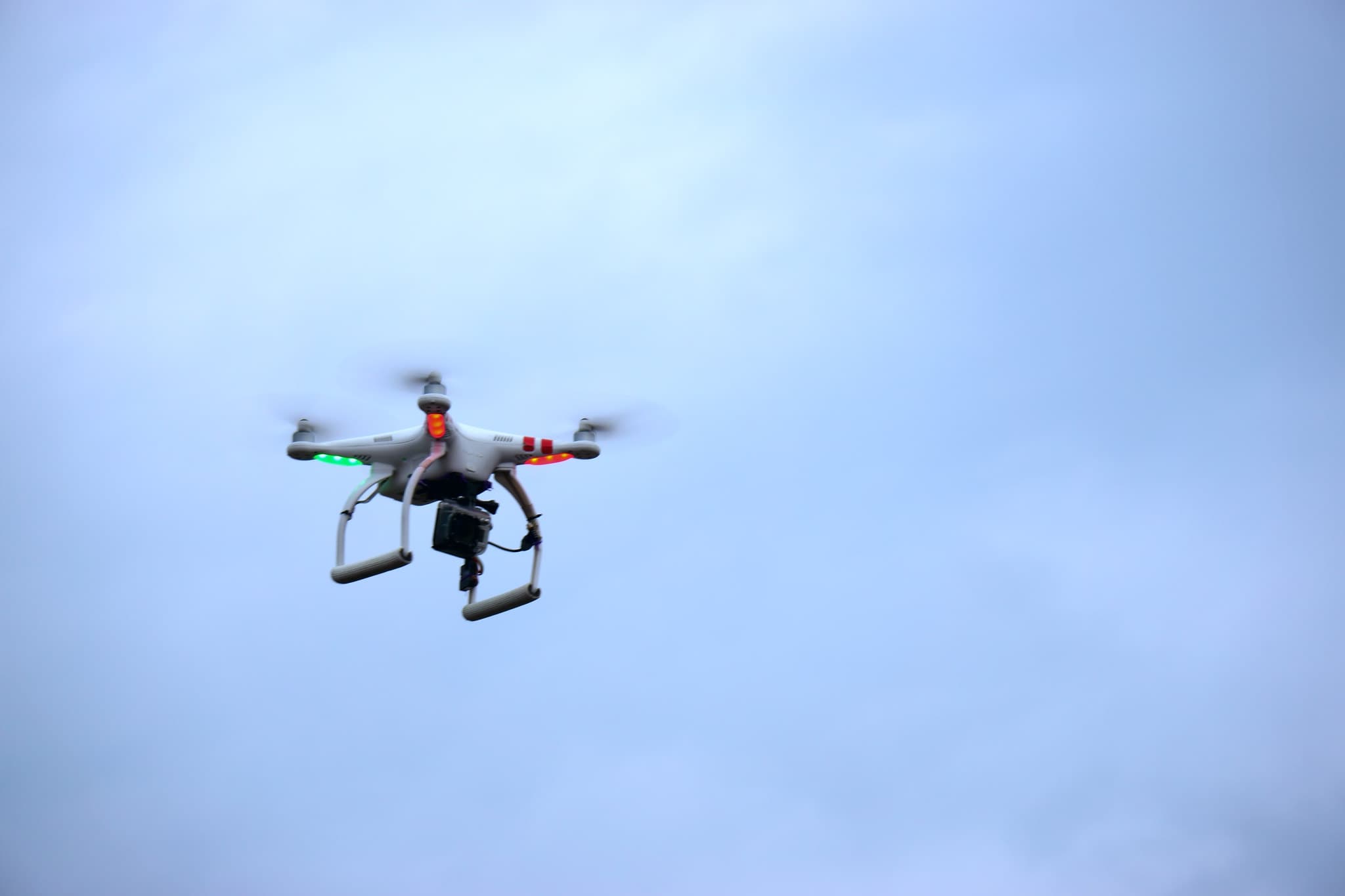
GoPro's diversification attempt through the Karma drone program aimed to reposition the brand as a broader technology platform. The execution failed decisively. In 2016, GoPro recalled Karma units after reports of power loss mid-flight and units falling from the sky. The recall damaged the balance sheet and brand credibility simultaneously.
By 2018, the drone line was discontinued. The strategic failure coincided with workforce reductions of more than 20 percent and a broader operational restructuring. In 2018, CEO Nick Woodman's cash compensation was reduced to one dollar—a marker of organizational distress.


