The artificial intelligence sector's rapid expansion is now encountering structural bottlenecks on two fronts: tightening regulatory control and persistent supply chain limitations.
Governments globally are increasing scrutiny over AI and data center operations. The United Kingdom is renewing calls for an AI "kill switch" framework to establish control over systems. The United States, by contrast, urged a hands-off approach during G20 meetings. New York City implemented a one-year moratorium on AI use by younger students in classrooms.
For businesses, AI governance is becoming operational. New safety thresholds, data-retention policies and model release procedures are now compliance requirements. Legal and regulatory scrutiny is converging on whether AI systems materially assist wrongdoing, particularly in cybersecurity and misinformation cases.
OpenAI and CEO Sam Altman face 30 additional lawsuits alleging the company provided substantial assistance to a suspect involved in unspecified wrongdoing.
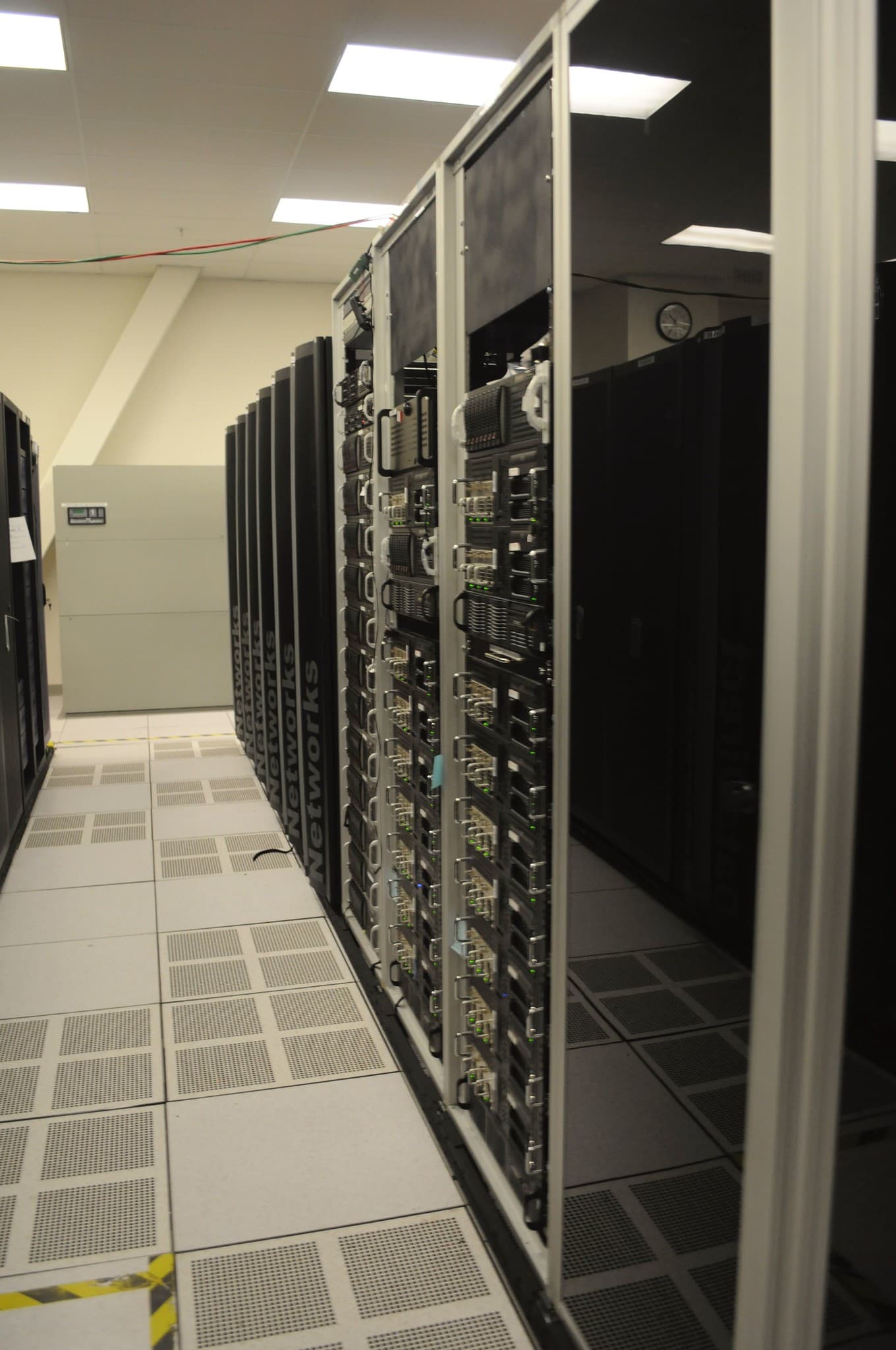
Beyond regulatory pressure, infrastructure constraints are intensifying. Nvidia CEO Jensen Huang has signaled a shift in AI bottlenecks, pointing to data center capacity and energy as primary constraints. Despite robust demand for infrastructure—evidenced by the expanded inference collaboration between Nvidia and Equinix—supply struggles to keep pace. Energy and memory stocks have emerged as the primary beneficiaries of this scarcity dynamic.
Nvidia's recent investments in network optimization and photonics technology signal bottlenecks emerging beyond core chip production. Rising user expectations for low-latency chatbot and AI agent responses add additional pressure on system performance.
Market volatility reflects these dual pressures alongside broader economic headwinds. Private-sector hiring slowed in August, with ADP reporting 38,000 jobs added, below consensus expectations. Geopolitical escalation around the Strait of Hormuz has reignited oil price pressure, with crude climbing on renewed U.S. airstrikes and Iranian retaliation. U.S. equities traded choppily as bond yields rose and Middle East risk premiums widened.
The permission bottleneck and supply constraints now define the AI sector's near-term trajectory. The structural limits on both regulatory approval and infrastructure capacity will likely persist through cycle.


