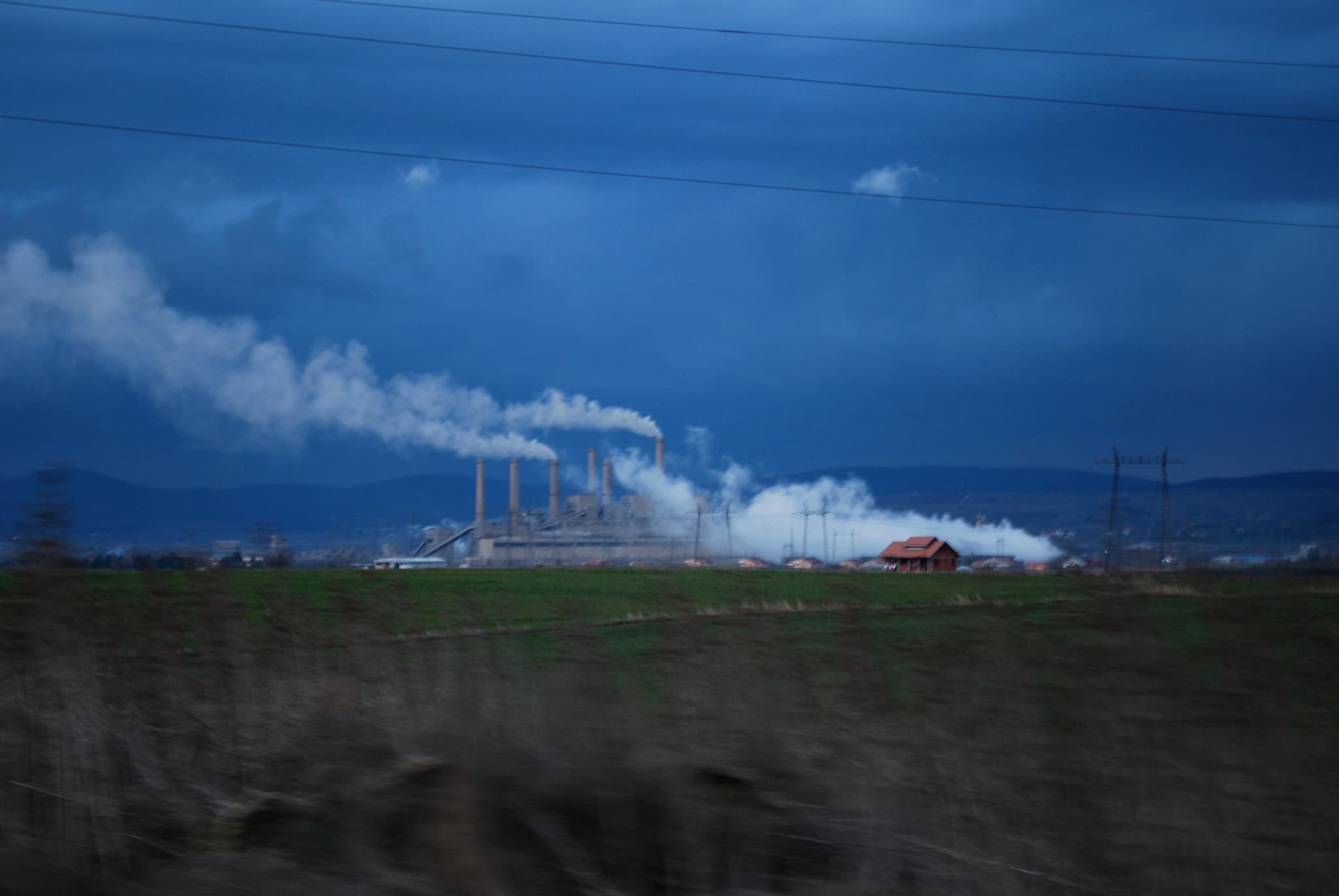
OBILIC, KOSOVO — The town of Obilic, situated near Kosovo's largest coal-fired power plants, faces severe health challenges. Many residents report cancer diagnoses, with locals saying nearly every family has been affected by the disease.
Jovan Zivic, a cafe owner, lost his teenage son to cancer in 2010 and his wife 14 years later. He said he frequently hears similar accounts from customers as he watches a plume rise from a plant chimney in nearby Plemetina.
Obilic lies between two power plants that generate nearly all of Kosovo's electricity by burning lignite, the lowest-quality and dirtiest coal extracted from local pits. Kosovo's parliament has formally designated the town as an environmentally endangered zone due to ongoing pollution.
While residents cite numerous health problems, comprehensive cancer data remains limited, making it difficult to determine if local disease rates exceed those in other parts of the country.
Brahim Gashi, a 68-year-old retired mechanic whose brother died from throat cancer, said residents do not need statistics to understand the hazardous air they breathe. He noted that laundry spread out to dry in yards quickly becomes speckled with black particles.
Safet Haziri, 63, spent most of his career at the Kosovo Energy Corporation (KEK) plants, supervising the coal conveyor belt for decades. He inhaled dust and gas that irritated his throat. Haziri has since undergone surgery for bowel cancer and remains too ill to work.
Nexthat Llumnica, vice-president of the union representing KEK plant workers, said chronic illness is common among workers like Haziri. He said KEK workers face some of the highest risks in Europe, possibly globally. He cited 2021 data from KEK showing 35 deaths among 3,300 workers that year, with most fatalities linked to cancer.
Official monitoring conducted in 2025 recorded an annual average concentration of fine particles in Obilic's air more than double the level recommended by the World Health Organization. These fine particles penetrate deep into the lungs and bloodstream, contributing to cardiovascular and respiratory diseases, lung cancer and premature death.
Concentrations of coarser particles, also associated with respiratory illness, surpassed Kosovo's daily legal limit on 16 days during the monitoring period.
International donors and the government have committed tens of millions of euros toward pollution reduction initiatives, including modernization of one of the power plants expected to decrease emissions.
KEK did not respond to requests for comment.


