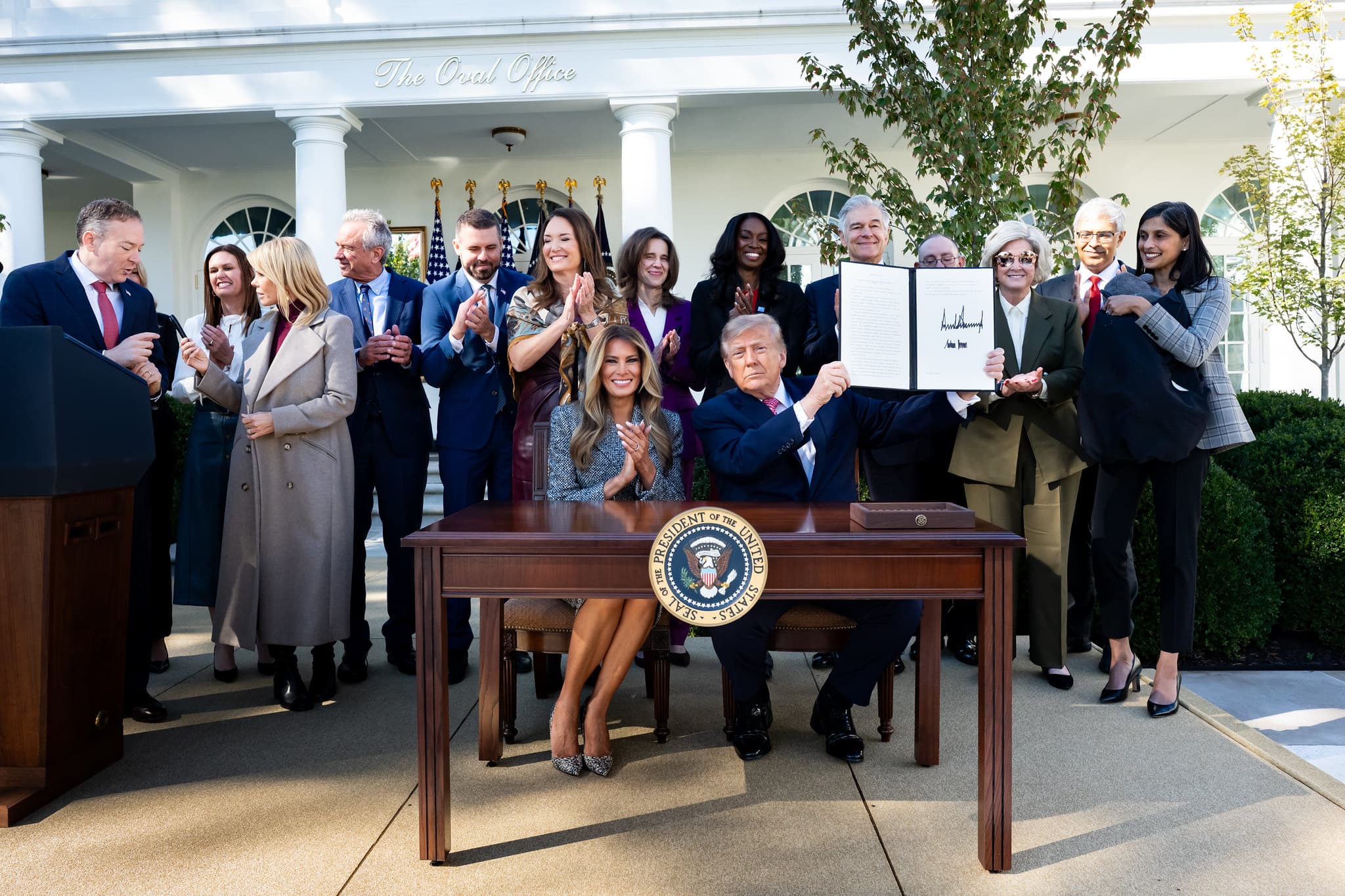
President Donald Trump's personal investment accounts logged more than 3,700 securities trades in the first three months of 2026, with total transaction value reaching as much as $750 million, according to financial disclosure filings. The pace exceeds what most active retail investors execute in a year, compressed into a single quarter.
June alone produced more than 1,000 individual securities transactions, the filings show. Among the notable purchases that month: significant positions in Berkshire Hathaway Inc. Visa Inc. and Mastercard Inc. All three are large-cap names with long track records of compounding returns.
Berkshire Hathaway trades at roughly $310 per share for its Class B shares, though the Trump filings do not specify the price or size at which positions were established. Visa and Mastercard are the two dominant U.S. payment networks, both of which have benefited from sustained consumer spending through 2025 and into 2026.
The sheer volume of trades raises a critical question: who is directing the activity. At more than 3,700 transactions in 90 days, the accounts averaged more than 40 trades per trading session. That frequency suggests involvement by a financial adviser, a blind trust structure, or some other arrangement, since the president's public schedule leaves little time for active portfolio management of that scale.
U.S. law requires members of Congress and senior executive branch officials to disclose securities transactions within 45 days of a trade under the Stop Trading on Congressional Knowledge Act, signed in 2012. Presidential disclosure requirements operate under a separate framework: presidents file annual financial disclosure reports with the Office of Government Ethics rather than the periodic transaction reports Congress members must file.
Trading while holding public office is not prohibited for the president, unlike the restrictions that apply to federal agency employees in their area of regulatory oversight. Whether trades benefit from non-public information available to the executive branch is a separate legal and ethical matter that the filings alone do not resolve.
Tracking services including Quiver Quantitative and Trump Tracker have built live dashboards that aggregate the disclosed data and make it searchable by stock, sector and date. Quiver Quantitative allows users to see excess return figures — the performance of each underlying stock since the transaction date — giving a read on how the trades have fared against the market.
The volume of trades puts a spotlight on potential conflicts of interest in policy decisions. Trump's administration has authority over trade policy, financial regulation through the SEC under Chairman Paul Atkins, and tax legislation moving through Congress. Any of those levers can materially move equity prices, and the president holds both the decision-making power and an active equity portfolio.
SEC Chairman Paul Atkins, who took office in April 2025, has not publicly addressed the Trump trading disclosures. The SEC has jurisdiction over securities fraud and insider trading but historically has not brought enforcement actions against a sitting president.
For investors tracking these names: Berkshire Hathaway's diversified holding structure — it owns GEICO, BNSF Railway, and large equity stakes in Apple and American Express — means a Berkshire position is itself a diversified bet rather than a single-company conviction. Visa and Mastercard derive revenue from transaction volume rather than credit risk, making them relatively defensive payment-network plays in a higher-rate environment.
The live tracking dashboards update as new filings hit the Office of Government Ethics system, giving investors a way to monitor positions in near-real time.