Leopold Aschenbrenner's Situational Awareness hedge fund gained 2,000 percent in 2025 and 439 percent in the first half of 2026, reaching a $45 billion valuation. Then it imploded. A downturn in AI stocks forced liquidation, and the fund sold its public portfolio to Ken Griffin's Citadel, realizing an 80 percent loss.
Aschenbrenner, 24, a former OpenAI researcher, had correctly predicted artificial general intelligence in his 2024 essay "Situational Awareness: The Decade Ahead." He then bet the fund on that thesis. He was right about the direction. He was wrong about the execution.
This is the dot-com problem redux. Knowing the internet would transform the economy in 1997 did not guarantee profits—Amazon gained 300,000 percent; Pets.com went to zero. Aschenbrenner's error was treating a correct macro trend as a stock-picking strategy.
The lesson: distinguish between a valid long-term trend and a viable investment. Businesses are committing hundreds of billions to data centers and AI models. But not every AI stock will survive the cycle.
Smart money is pivoting to infrastructure—companies with underlying value, monopoly economics, and exposure to AI buildout without direct reliance on speculative AI models.
Consolidated Edison (ED) powers Manhattan. Fund manager Cliquet describes it as a regulated monopoly insulated from data-center volatility. New York's solid regulatory framework supports stable cash flows. The utility invests in grid resilience, providing a defensive foundation.
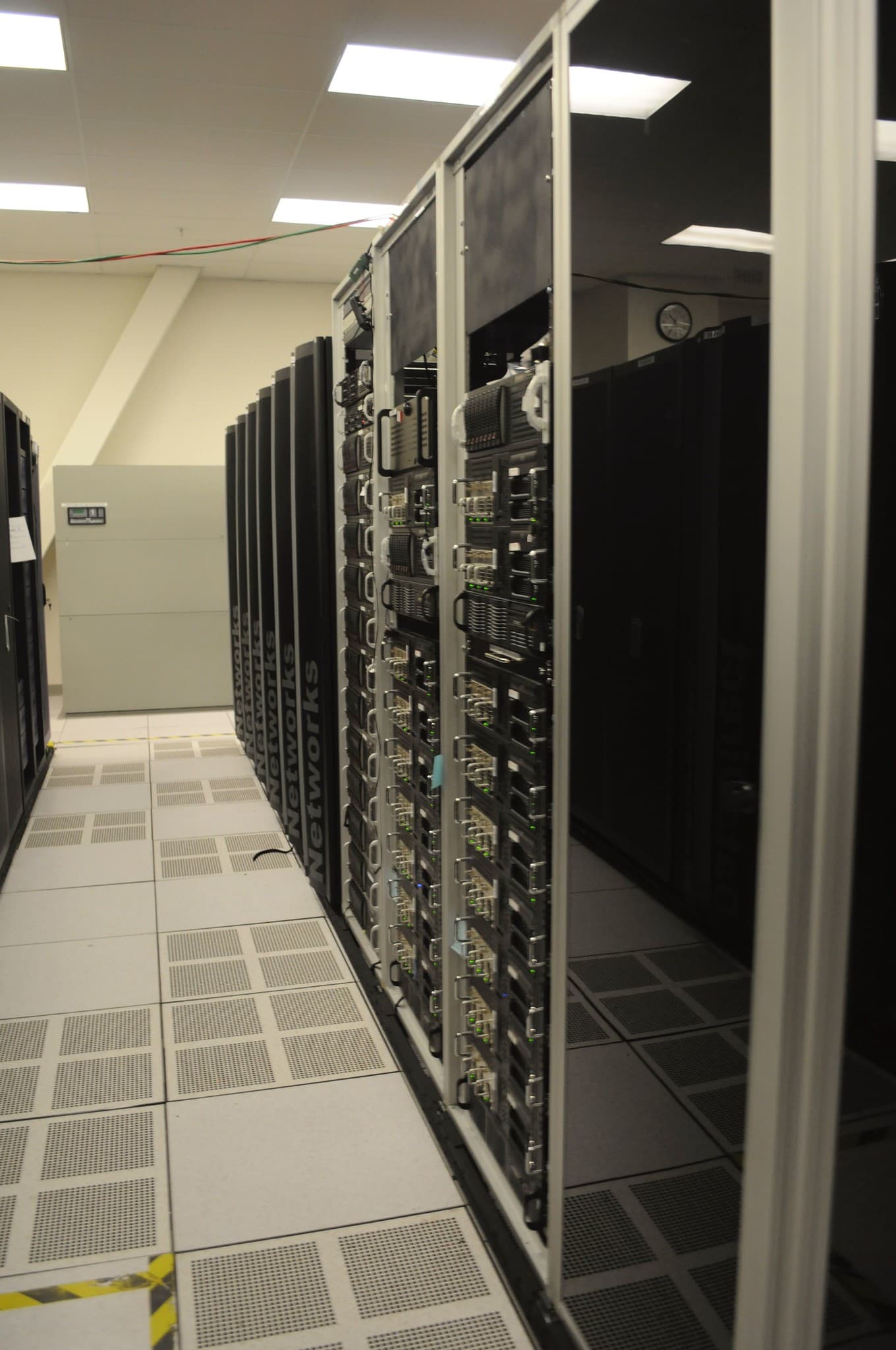
Marvell Technology Inc. (MRVL) designs custom silicon and connectivity essential for advanced computing. Dell Technologies Inc. (DELL) dominates the AI server market, providing critical hardware infrastructure. Teradyne, Fluence Energy Inc. and Super Micro Computer Inc. (SMCI)—whose Verda platform delivers self-service AI infrastructure on 100 percent renewable energy—offer similar exposure to the buildout without the valuation risk of pure-play AI models.
Stanley Druckenmiller has noted that transformational technologies produce long investment cycles with unexpected winners beyond the most obvious leaders. The difference between Situational Awareness and a disciplined infrastructure play is that one chased narrative; the other chases cash flow.


