China's AI sector has produced three companies now valued in the tens of billions of dollars, each tracing its lineage to academic networks and strategic capital deployment that diverge sharply from the venture-backed playbook of Anthropic and OpenAI.
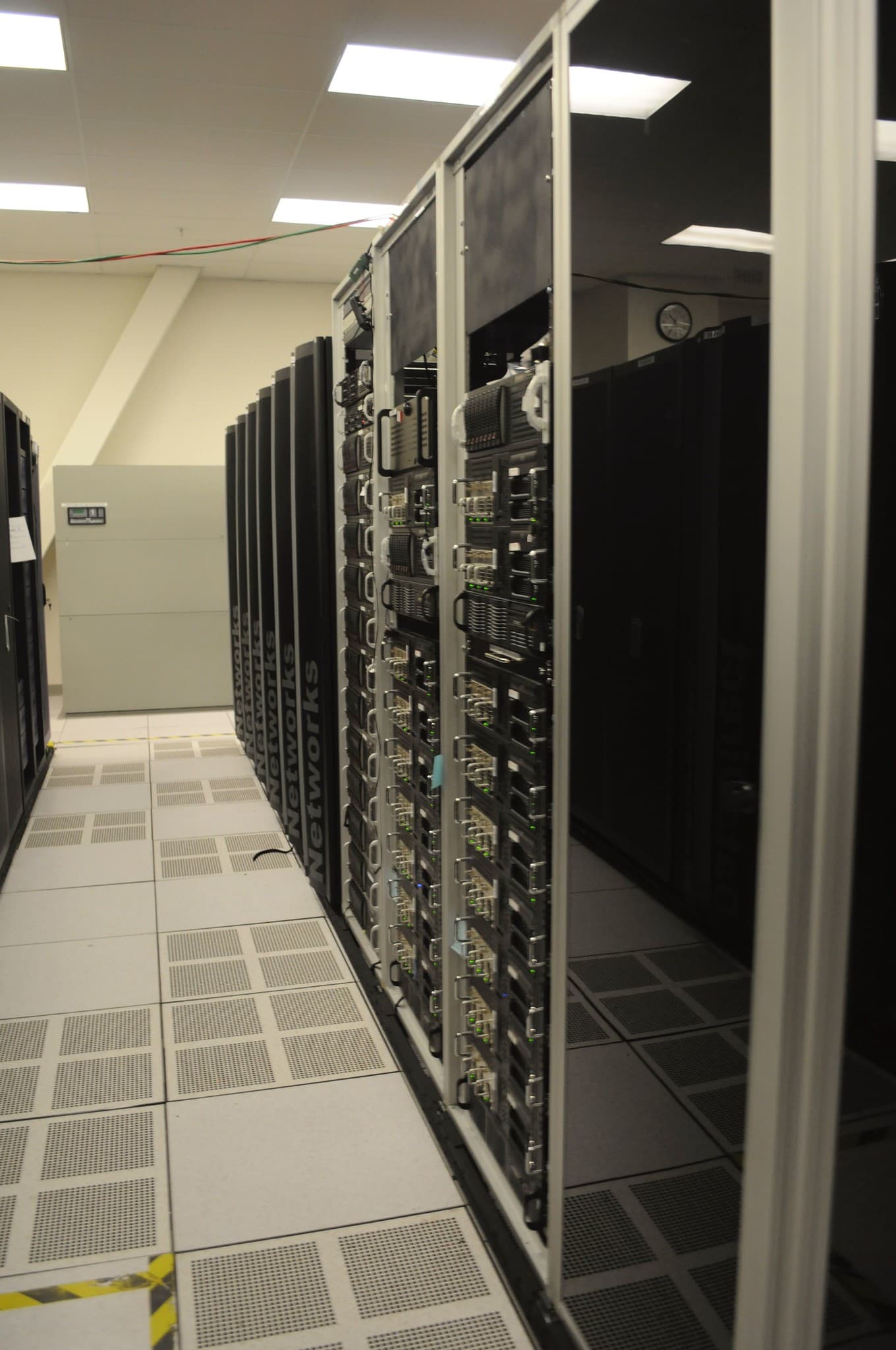
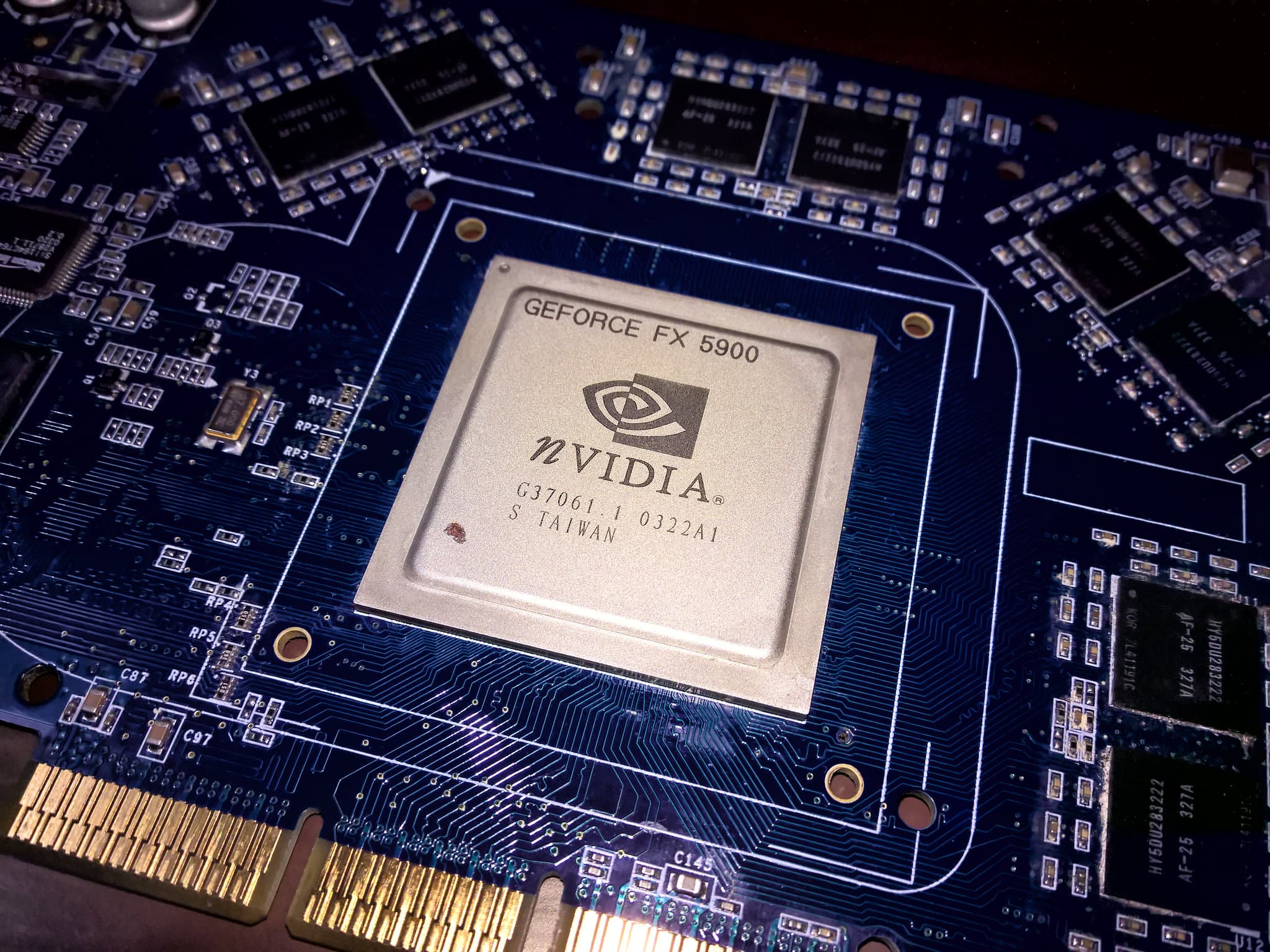
DeepSeek, the Hangzhou-based AI lab, exemplifies this model. Founder Liang Wenfeng, 41, built the company on a foundation of computing power accumulated before U.S. export controls tightened. After graduating from Zhejiang University, Liang co-founded High-Flyer, a quantitative hedge fund, in 2015. Over four years, the firm expanded assets more than tenfold. Liang reinvested those profits into acquiring over 10,000 Nvidia chips—a capital-intensive bet that preceded the broader AI boom and the subsequent U.S. sanctions that constrained Chinese access to advanced processors.
When Liang created DeepSeek as High-Flyer's AI subsidiary in 2023, he possessed a rare advantage: substantial in-house compute capacity and no urgent need for external capital. The company released its V4 model in April with what it described as "drastically reduced" inference costs, followed by its R1 model in 2025, claiming performance parity with U.S. competitors at a fraction of the price. DeepSeek also launched one of the world's largest open-weight AI systems in July.
Liang's early GPU purchases and self-funded approach have yielded outsized returns. His net worth climbed from $16.7 billion to $37.9 billion following DeepSeek's first external funding round, which raised approximately $7.4 billion. That valuation exceeds Anthropic co-founder Dario Amodei ($7.98 billion) and approaches OpenAI president Greg Brockman ($25.5 billion) Billionaire Index, which tracks wealth in AI-model-primary companies.
The DeepSeek model—internally funded, chip-heavy capital allocation, then selective venture financing—contrasts with competitors Z.AI and Moonshot AI, both founded by Tsinghua University alumni. Tang Jie, a Tsinghua professor and Z.AI co-founder, nominated Yang Zhilin, now Moonshot's chief executive, for the university's top academic award over a decade ago. Both firms operate within China's venture ecosystem and command billions in valuation, competing directly on model capability and cost structure.
Liang has framed DeepSeek's strategy within a larger ambition: transitioning China from technology consumer to technology producer. Other Chinese labs have released competing models—Kimi K3 and GLM-5.2 among them—each claiming performance or cost advantages over U.S. alternatives. The competitive pressure is reshaping investment calculus in Silicon Valley and prompting scrutiny in Washington regarding intellectual property origins and national security implications.