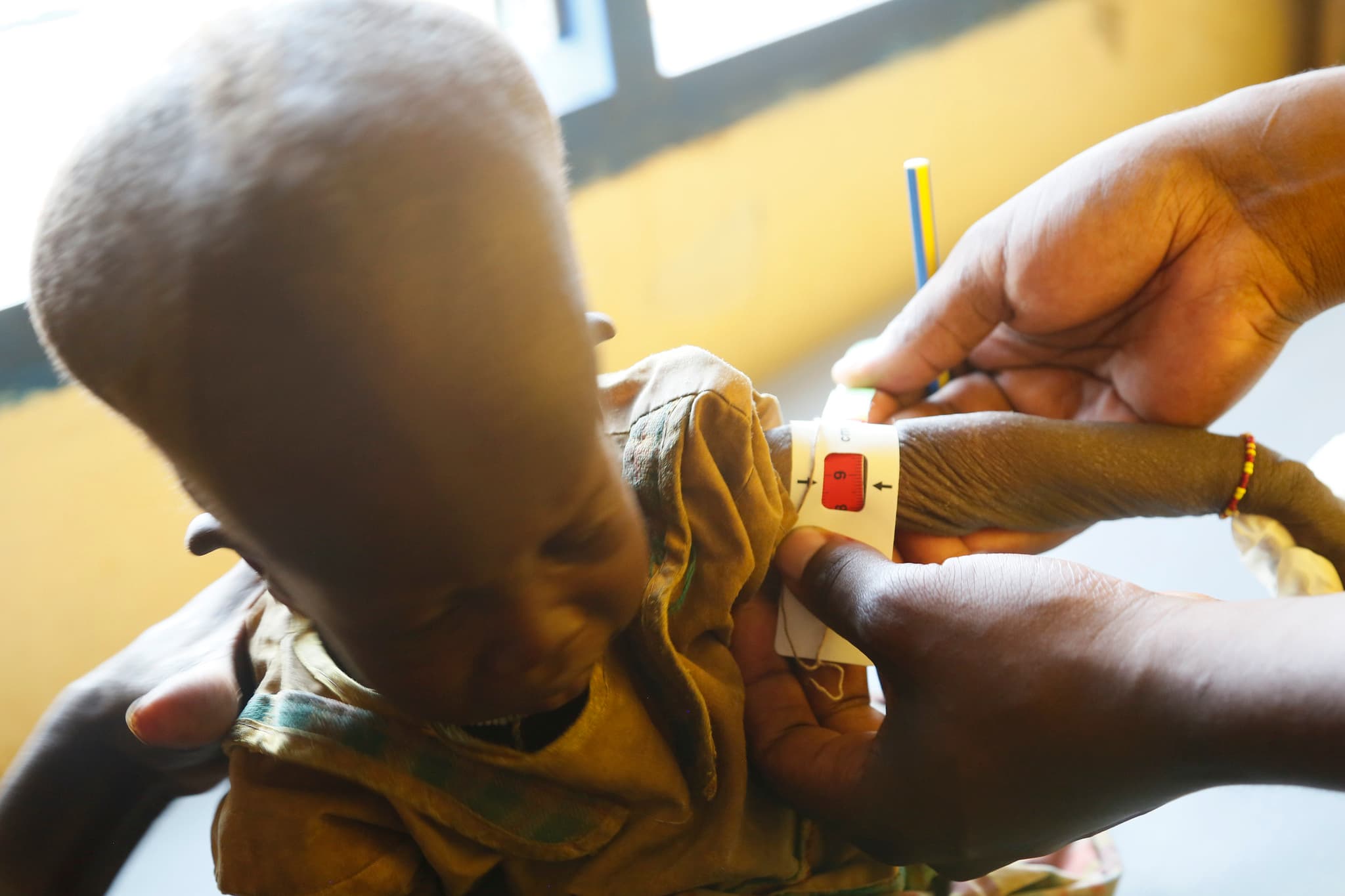
GENEVA—Humanitarian aid cuts are forcing the closure of over 200 health and nutrition facilities in Somalia, leading to a sharp rise in child malnutrition, UNICEF warned Friday.
Compared to last year, Somalia has seen a 32 percent increase in children admitted to stabilization centers with severe acute malnutrition and complications. The surge reflects not a spike in illness but a loss of preventive and community-based nutrition services that once kept children healthy.
James Elder, a UNICEF spokesperson, said fewer facilities mean longer journeys for mothers seeking treatment. "Later treatment leads to more severe illness and a greater risk of preventable death," Elder said in Geneva.
Elders illustrated the crisis with the account of Hajio, a woman who lost all her cattle to drought and fled her home to Burhakaba in southwest Somalia seeking assistance. Upon arrival, she received only clothes and tomatoes from a nearby impoverished community, with no support from the international community.
Under worst-case projections, the number of closed facilities could reach 618 across Somalia, directly threatening nearly one million children under five, adolescent girls and women who risk losing access to essential nutrition services.
The funding reductions coincide with a dramatic increase in humanitarian needs. Close to 1.9 million children are projected to suffer from malnutrition this year, with almost half a million facing the deadly severe acute form.
Somalia has endured decades of civil war, resulting in mass displacement and extreme food insecurity for millions. The ongoing U.S.-Iran conflict is raising the costs of fuel and fertilizer, threatening to disrupt food provisions further. The country is experiencing severe droughts in its northern regions while preparing for extreme flooding linked to El Niño conditions.
Elder described the situation as a "brutal contradiction." Resources to protect vulnerable children are being cut precisely as the pressures pushing Somalia's children into crisis are intensifying.
UNICEF has historically maintained an active presence in Somalia. The organization has distributed cholera vaccinations to more than one million people, supported education programs for over 100,000 young students and assisted in rehabilitating children forcibly recruited into armed groups.


