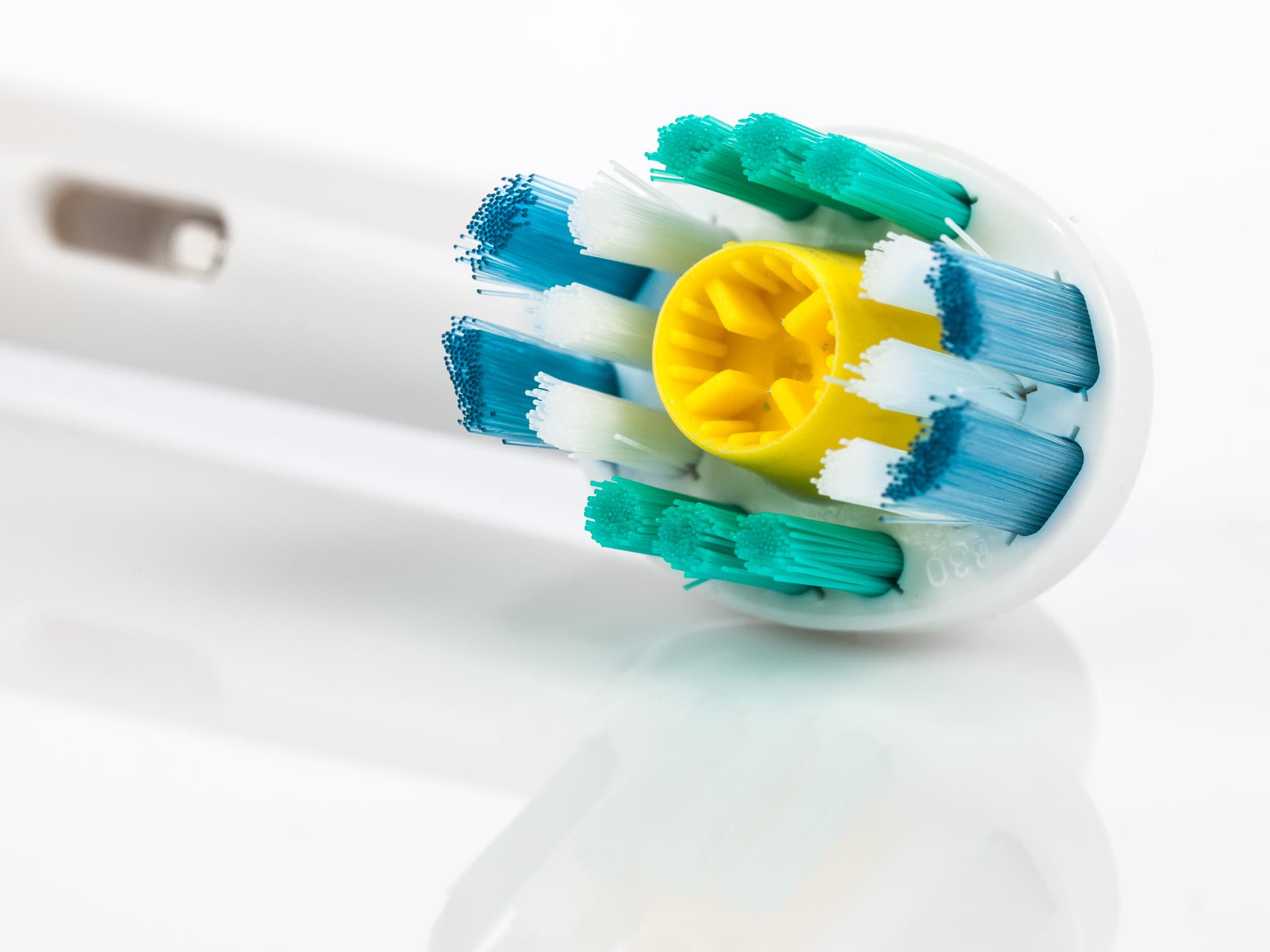
Electric toothbrushes have a measurable performance edge over manual versions: clinical studies show a 21 percent reduction in plaque and 11 percent reduction in gingivitis over three months, according to a Cochrane review and American Dental Association analysis.
The mechanism is straightforward. Electric brushes deliver 60,000 strokes per minute—compared to roughly 200 for manual brushing—while maintaining consistent pressure across tooth surfaces. Oscillating models use circular motions to dislodge plaque; sonic brushes vibrate at high frequencies to reach difficult areas. Both approaches significantly outperform manual brushing.
Dental professionals recommend electric models to patients. Dr. Joseph Field called the shift "a no-brainer for better results with less effort." Dr. Jon Marashi noted that high-speed bristle movement provides more effective plaque removal and surface coverage.
For manufacturers, the clinical validation matters more than the device type. Consumers are willing to pay a premium—electric toothbrushes cost significantly more than manual alternatives—because the plaque reduction is documented and endorsed by dental professionals. That endorsement creates pricing power and reduces churn.
Manual toothbrushes retain cost and portability advantages. Electric models are heavier and require charging. But the oral health benefit gap appears wide enough to overcome those frictions. The category will likely continue shifting toward electric as the performance data becomes standard knowledge and battery technology improves.


