Alibaba Group Holding Ltd. reported 268.95 billion yuan, or $40.02 billion, in quarterly revenue for the period ended June 30—a 9 percent increase that met analyst expectations. But the company's bottom line tells a different story: profit plunged more than 75 percent as aggressive capital expenditure on AI infrastructure consumed near-term earnings.
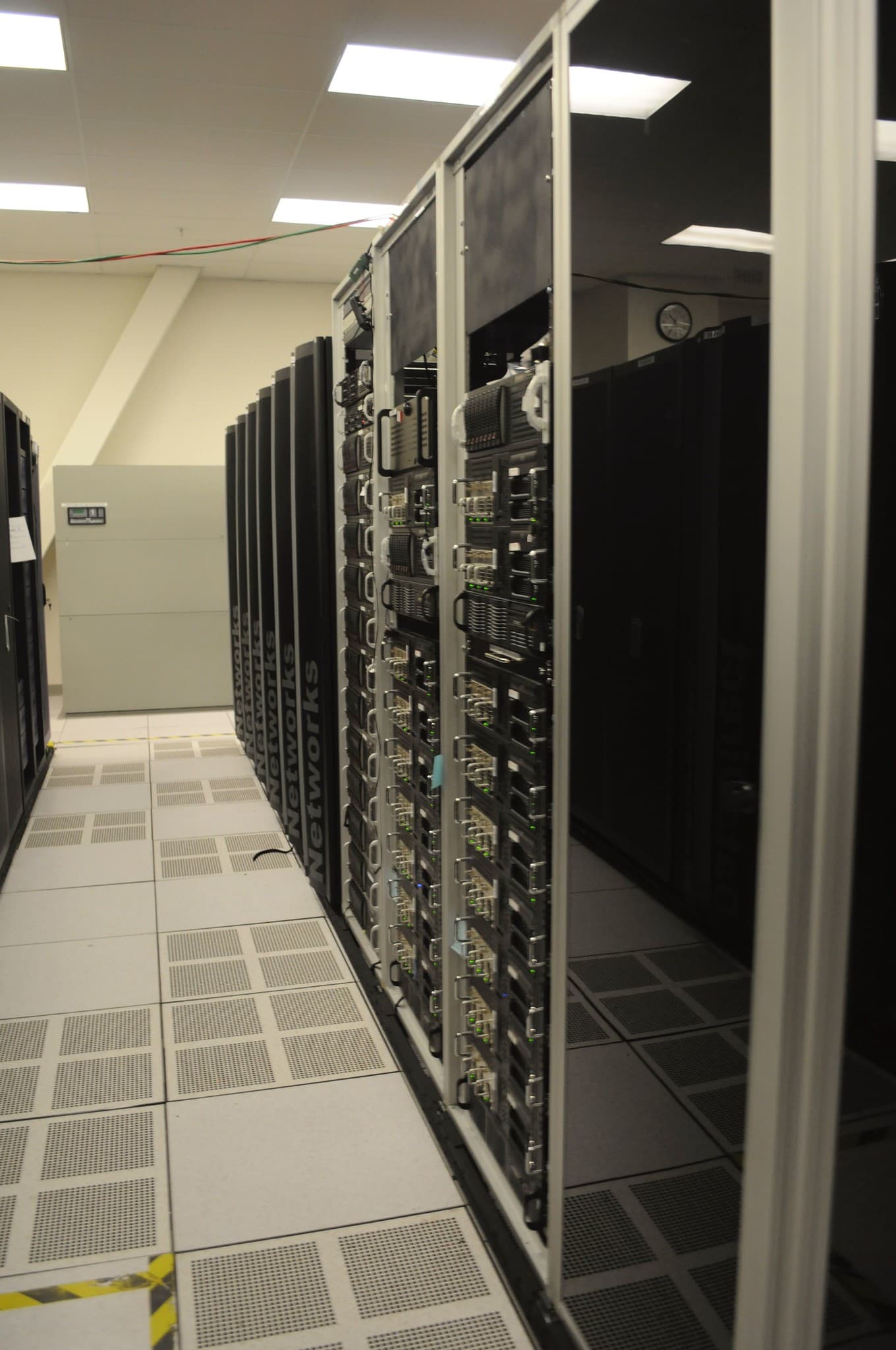
The trade-off reflects a deliberate capital allocation choice. Alibaba increased quarterly CapEx 75 percent to 67.68 billion yuan, primarily to expand AI infrastructure, proprietary model development, and compute capacity. The company is betting that building a deeper competitive moat in cloud computing—through differentiated AI services locked into enterprise customers—will justify sacrificing current profitability.
The wager appears calculated. Alibaba's cloud segment, which includes AI and compute services, posted 45 percent revenue growth to 48.44 billion yuan. That kind of margin expansion in a high-growth AI segment can support a moat if the company can convert scale into pricing power and switching costs.
The timing matters. Chinese consumer spending remains weak, pressuring core e-commerce margins. An extended "618" shopping festival provided a temporary revenue boost to the e-commerce unit, but the durability of that demand is unclear. By contrast, enterprise cloud spending on AI is accelerating globally, and Alibaba is capturing share in a market where it already leads domestically.
The company has explicitly positioned AI as a core strategic pillar—not just for its established cloud business but as a way to enhance consumer-facing platforms. That suggests Alibaba sees AI monetization paths beyond infrastructure rental, potentially creating multiple revenue streams from the same capital investment.
What's being tested: whether Alibaba can deploy this capital at high enough returns to justify the near-term profit destruction. The 45 percent cloud segment growth is a strong signal, but infrastructure capex typically operates on thin margins until utilization rises and pricing sticks. The next few quarters will show whether demand can absorb the new capacity without price competition.