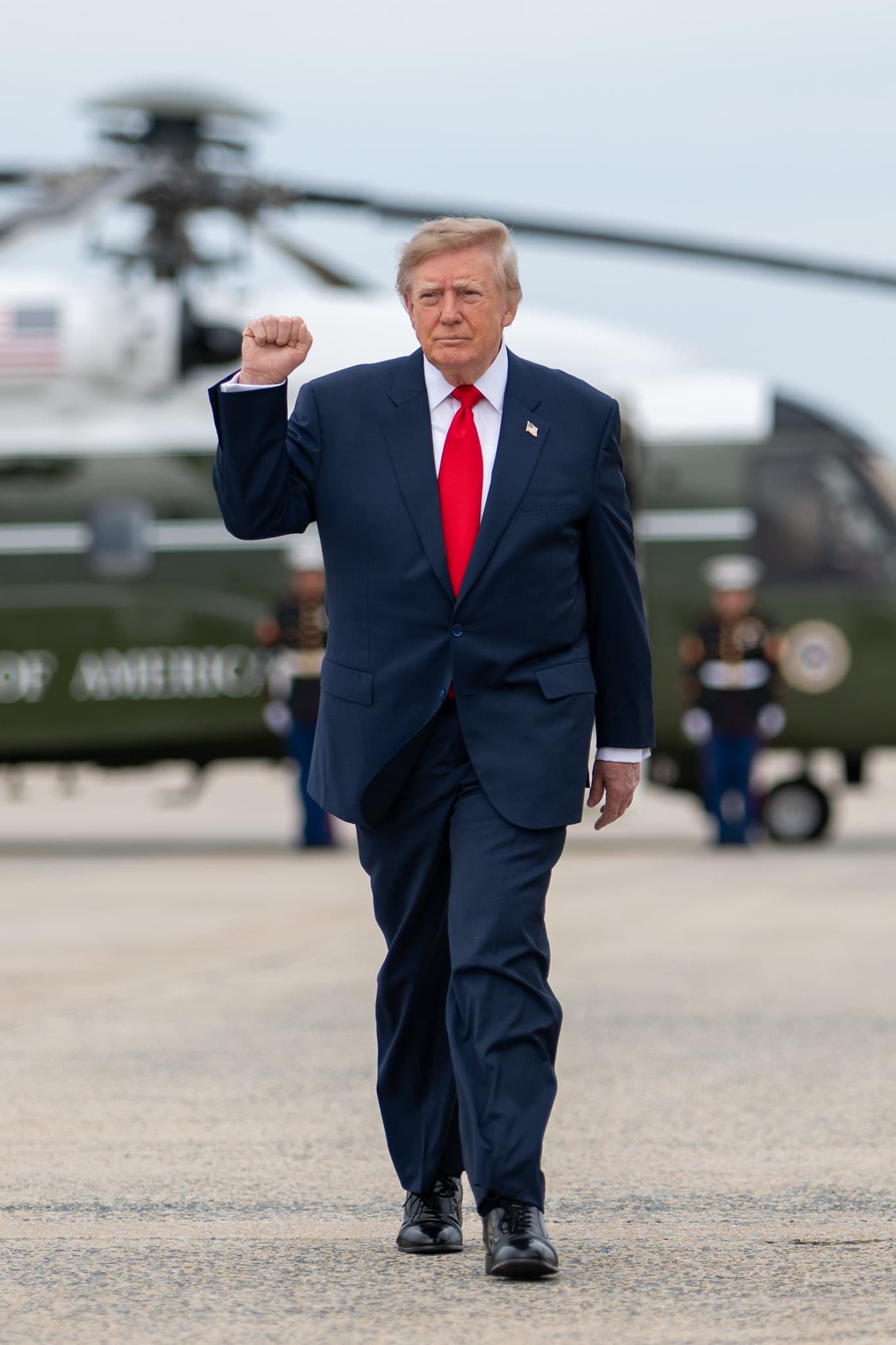
WASHINGTON — Mike Lindell, the MyPillow founder and longtime Trump ally, lost the Minnesota Republican gubernatorial primary on Tuesday by double digits — taking 32 percent of the vote to Minnesota House Speaker Lisa Demuth's 43 percent. The loss was not close, and it was not isolated.
The defeat is the latest in a run of failed gubernatorial endorsements for President Trump, who entered the 2026 cycle promoting his record as the most effective endorser in Republican politics. The pattern across multiple states tells a different story.
In Iowa, Trump endorsed Rep. Randy Feenstra in May, just days before the June 2 primary. Feenstra lost to businessman Zach Lahn. Trump's response was to blame his own team, saying he had not received "proper information" when he made the endorsement. He then described Lahn as "all Trump" — a claim that served to soften the blow to his endorsement record rather than address the outcome.
In Georgia, Trump backed Lt. Gov. Burt Jones early in the race to succeed term-limited Republican Gov. Brian Kemp. Jones advanced to a runoff against self-funded billionaire Rick Jackson but lost in their June faceoff. Jones had been among Trump's most prominent early gubernatorial picks.
In South Carolina, Trump endorsed Lt. Gov. Pam Evette for governor ahead of the June 9 primary. Evette finished first but fell short of the 50 percent threshold needed to win outright. Facing a runoff, Trump then issued a joint endorsement of both Evette and Attorney General Alan Wilson — an unusual hedge on his own original pick. Wilson won the runoff with 68.6 percent of the vote to Evette's 31.4 percent, meaning Trump's original choice lost by more than 37 percentage points in the final round.
The White House rejected the idea that any of this reflects weakening political power. Spokeswoman Allison Schuster said in a statement: "President Trump's endorsement is the most powerful endorsement in the history of American politics. Anyone claiming otherwise is a complete and utter fool." Schuster put Trump's overall endorsement success rate at 98 percent — 233 wins out of 238 races across candidates ranging from local to statewide contests.
That 98 percent figure, however, counts the full range of endorsements, including uncontested or lightly contested local races. The gubernatorial losses — higher-profile, more expensive, more closely watched — represent a separate track record. In four contested statewide governor primaries in 2026, Trump's original endorsed candidate won none of them outright.
The South Carolina runoff result illustrates the bind. When Trump co-endorsed Wilson alongside Evette before the runoff, he gave himself partial credit for Wilson's eventual win. But Wilson's 68.6 percent-to-31.4 percent margin showed Republican primary voters rejected Evette decisively — the candidate Trump had backed first and alone.
In the Iowa case, Trump's stated excuse — that he lacked "proper information" before endorsing Feenstra — raised a separate question about the vetting process behind endorsements his team promotes as the most powerful in American political history.
Trump's endorsement approach in 2026 has leaned heavily on personal loyalty, which differs from 2022, when his backing all but guaranteed Republicans through primaries even when it produced mixed general-election results. In 2026, loyalty-based picks have not cleared primaries at the same rate.
Lindell had been among Trump's most visible non-politician allies, appearing at rallies and remaining publicly supportive through Trump's post-2020 legal battles. His entry into the Minnesota governor's race gave Trump another high-profile opportunity to demonstrate endorsement power in a state Republicans have not carried in a presidential race since 1972. The 11-point primary loss to Demuth closed that chapter without a win.
Trump turns 80 this year. His political standing — Schuster's statement was issued in direct response to questions about weakening political power — is a live issue inside the party as the midterm cycle moves from primaries to general elections. Republican candidates who won their primaries without Trump's help, or over his endorsed opponent, now head into November races without needing to negotiate that relationship.