WASHINGTON — House Democrats sent questions to the acting Navy secretary this week over reported conditions aboard the USS Abraham Lincoln, pressing for accountability at the Pentagon as the aircraft carrier controversy shows signs of outlasting the news cycle. The inquiry puts congressional Democrats in direct confrontation with the Trump administration over military readiness at a moment when the carrier is reportedly nearing replacement.
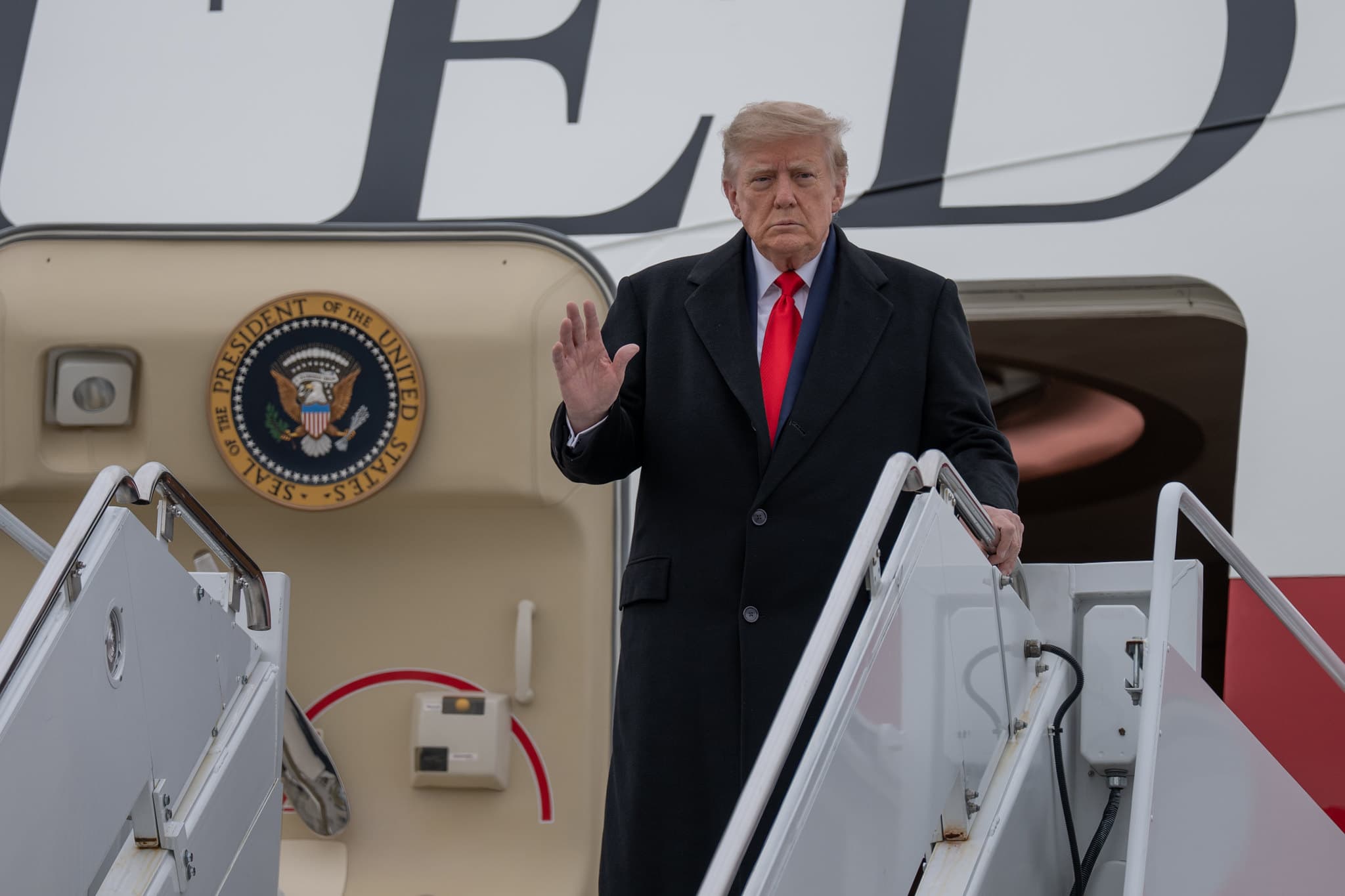
President Trump denied that conditions aboard the Lincoln represent a cause for concern, pushing back against Democratic criticism as the dispute landed on Sunday political programs. The carrier controversy is now expected to shadow Pentagon oversight hearings in the weeks ahead, giving Democrats a concrete line of attack heading into fall campaigns.
The USS Abraham Lincoln episode arrived as both parties are deep into primary season, with key races this cycle setting the competitive map for November. Sunday show previews flagged the primary contests as central to which party controls Congress going into 2027, when the next budget and appropriations fights will land.
The Democratic National Committee separately approved its 2028 primary calendar this week, a procedural move that drew attention for how the party is organizing after the 2024 cycle. The calendar vote reflects ongoing internal debate about which states vote first and which coalitions the party prioritizes in its next presidential nominating fight.
Iran's response to Trump's comments about the Strait of Hormuz also surfaced on the Sunday circuit, threading foreign policy pressure points through domestic political coverage ahead of November. Trump's remarks about the strait drew a direct reply from Tehran, though the specific Iranian response was not detailed in available reporting.
The Lincoln controversy carries particular weight because aircraft carriers are among the most visible symbols of U.S. military reach, and documented problems aboard one give the opposition a tangible grievance rather than an abstract policy dispute. Democrats have framed their questions to the acting Navy secretary as oversight, not partisanship—though the timing, weeks before November races harden, is not coincidental.
Republicans had not issued a formal public response to the Democratic inquiry as of the Sunday preview reporting. The Trump administration's posture, with the president directly denying the significance of the Lincoln's reported conditions, suggests the White House will contest the Democratic framing rather than engage on the specifics.
The tight primary races flagged in Sunday previews point to a November map where a small number of seats will decide the House majority. Democrats need a net gain to flip the chamber; Republicans are defending a thin margin. The specific districts and candidates involved were not detailed in available material, but the characterization of the races as tight heading into fall indicates neither party has a commanding structural advantage in the most competitive districts.
The DNC calendar vote and the Lincoln dispute together show a Democratic Party trying to operate on two tracks: building the internal architecture for 2028 while staying aggressive on oversight fights that can drive turnout in 2026. Whether the Lincoln story holds depends on what answers, if any, the acting Navy secretary provides to the House inquiry.