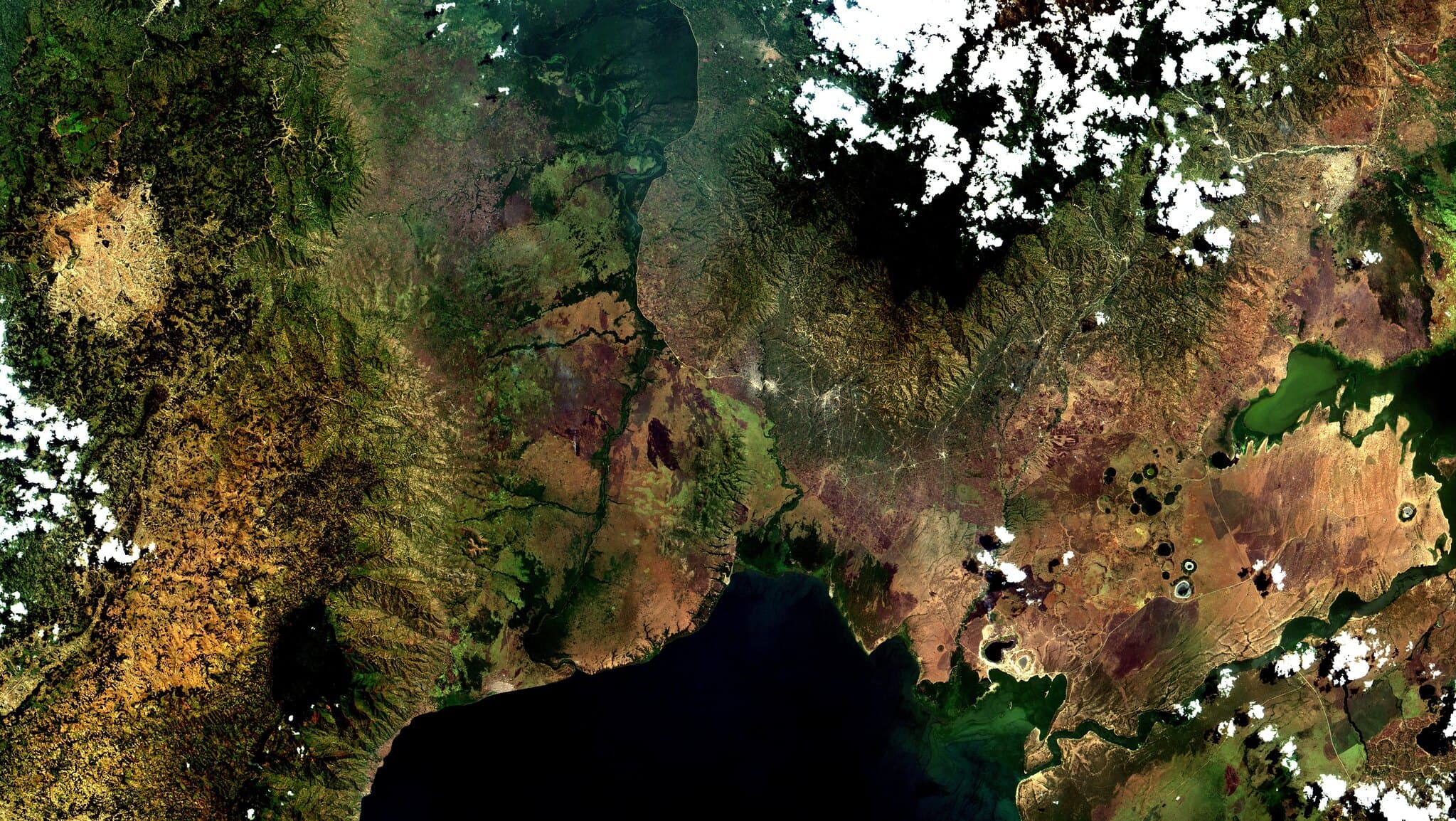
NIZI, Congo — Community health worker Gédéon Banga Ngbape leaves for work at 8 a.m. and rarely returns before 11 p.m. sometimes midnight. He then reviews the day's data and plans the next round of alerts before sleeping. His team in Nizi, one of the worst-affected health zones in Ituri province, handles 60 to 70 suspected-case alerts every single day.
The effort is not enough. Between 60 and 70 percent of new Ebola infections are being detected among people who were not already under surveillance as known contacts of confirmed cases. That figure is the clearest signal yet that the containment system has lost its grip on the outbreak: health workers are finding sick patients only after those patients have already had the chance to expose others.
"If surveillance does not work well, the entire response suffers," Ngbape said. "Surveillance is the engine of a response."
The outbreak has recorded more than 4,700 cases and killed over 2,200 people, according to the latest Congolese government figures. Those deaths accumulated almost three times faster than in the 2014–16 West Africa epidemic—the deadliest Ebola outbreak on record, which claimed more than 11,000 lives over two years. The speed of the current mortality curve represents a new threshold in the disease's modern history.
"We are chasing the virus; the virus is ahead of us," said Dr. Mohamed Yakub Janabi, the World Health Organization's regional director for Africa.
Ituri province accounts for roughly 90 percent of Congo's total Ebola cases and 80 percent of its deaths. Nizi sits at the center of that burden. The health zone is a focal point for both the surveillance breakdown and the logistical failures compounding it.
The outbreak is caused by the Bundibugyo strain of Ebola virus—a rarer variant for which no approved vaccine or treatment exists. Trials of experimental interventions are underway, but workers in the field have no licensed tools to offer patients who test positive. That absence distinguishes this response from the 2018–20 eastern Congo outbreak, during which an approved vaccine, rVSV-ZEBOV, was deployed against the more common Zaire strain.
On the ground, the constraints are stark. Community health worker Ana Ndroy Kasime, also based in Nizi, goes door to door to identify suspected cases and educate residents. She said workers in her position lack basic protective equipment—no boots, no supplied disinfectant. "When we go door to door, we don't have protective equipment, like boots, disinfectant and other supplies, even though we are at risk," Kasime said. "We buy disinfectant with our own money."
The response faces pressure from multiple directions simultaneously. Some health workers have gone on strike over unpaid wages. Armed rebel groups operating in Ituri have threatened response personnel. Communities traumatized by years of conflict and prior disease outbreaks have met health teams with hostility. Misinformation—including the claim that Ebola does not exist—has spread widely enough to obstruct case-finding and treatment referrals.
U.N. humanitarian chief Tom Fletcher announced $30.5 million in emergency funding Friday to support the response. The injection is the latest in a series of international commitments, but health officials have not said publicly whether it closes the full financing gap or only partially addresses it.
The mechanics of contact tracing explain why the surveillance gap matters so acutely. When a person tests positive for Ebola, response teams are meant to identify everyone that person had physical contact with during their infectious period—family members, health workers, neighbors—and monitor each contact for 21 days, the maximum incubation period. If 60 to 70 percent of new cases are appearing outside that monitored pool, it means the initial case-finding is incomplete, the contact lists are too short, or people on those lists are not being reached before they develop symptoms and expose others.
The consequence is a chain reaction: each undetected transmission event creates a new cluster of exposures, and each new cluster adds to the surveillance workload that teams are already failing to cover. Ngbape's teams in Nizi receive 60 to 70 alerts a day and work into the night to investigate them. The cycle leaves workers like him exhausted and the outbreak one step ahead.
"I feel really tired, but what matters to me is always being of service to the community," Ngbape said.


