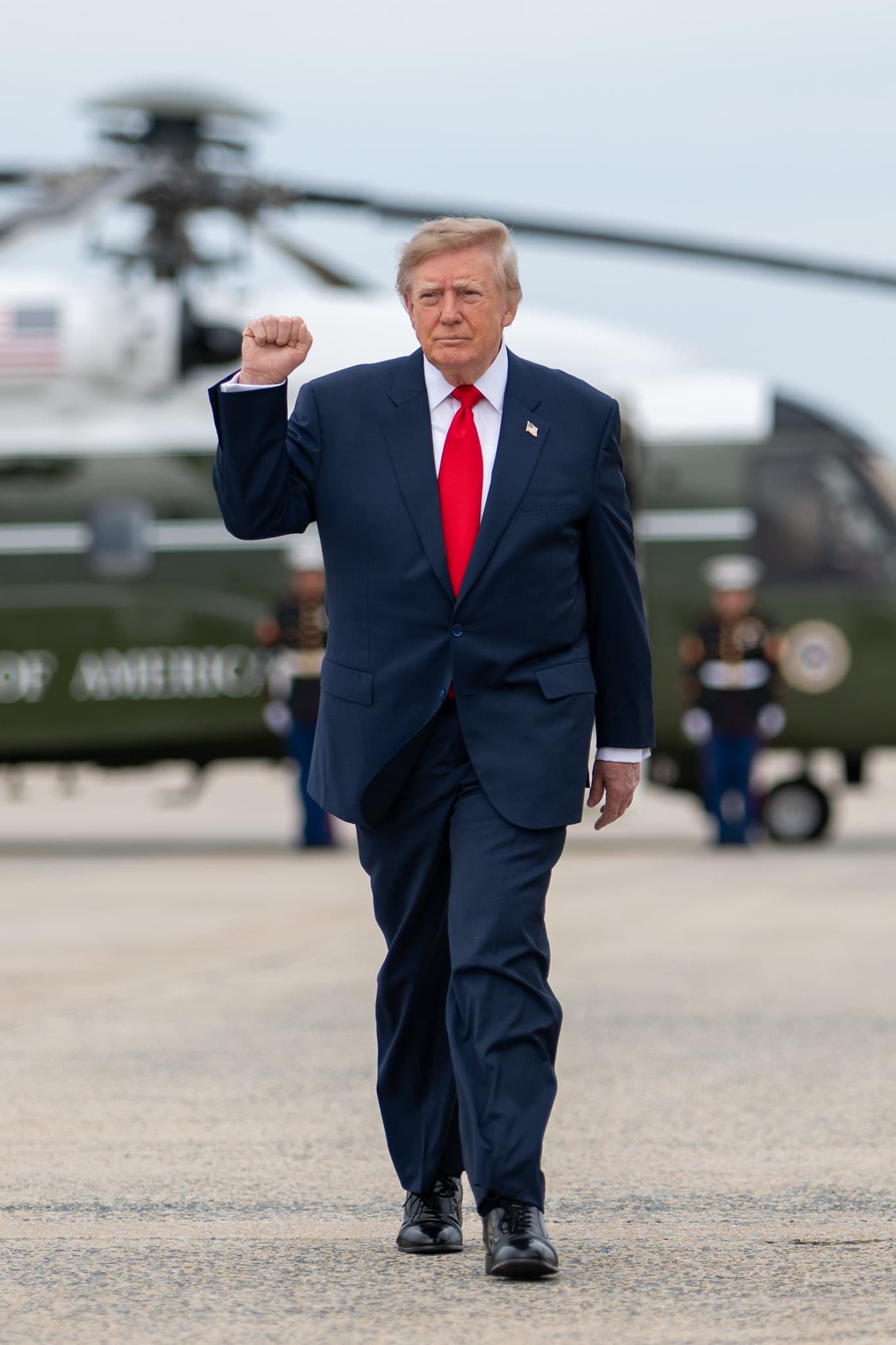
WASHINGTON — The BBC asked a federal judge Friday to authorize subpoenas for Donald Trump Jr. Ivanka Trump and Jared Kushner, pulling the president's adult children and son-in-law into a $10 billion defamation lawsuit centered on how a 2024 documentary edited footage of President Donald Trump's Jan. 6, 2021 speech.
BBC attorneys argued that all three individuals "without question have personal knowledge" of the events surrounding Jan. 6 and of the circumstances the lawsuit puts at issue. The subpoenas seek both testimony and documents from each of the three.
Trump filed the defamation suit against the BBC over how the broadcaster edited his Jan. 6 speech in the documentary. The president argues the BBC intentionally cut his remarks to make it appear he was inciting violence — a characterization the lawsuit frames as deliberate defamation rather than editorial error.
The BBC's pursuit of Trump family members runs into a concrete obstacle: the Secret Service. According to court filings, Secret Service protection of the named individuals has complicated efforts to serve the subpoenas, with the agency declining to allow service in at least some circumstances. The filing does not specify which individuals the Secret Service has shielded from service attempts or the exact basis the agency offered.
Donald Trump Jr. and Ivanka Trump are Trump's two eldest children. Kushner, who is married to Ivanka, served as a senior White House adviser during Trump's first term. All three were present in Washington on Jan. 6, 2021, and all three have given public statements or congressional testimony touching on the events of that day — which is precisely why the BBC argues their firsthand accounts are relevant to the defamation claims at issue.
The BBC's legal theory is that if Trump's own family members have knowledge of what the president meant to communicate in the speech — and how his words were understood by those closest to him — that testimony bears directly on whether the broadcaster's editing crossed from editorial judgment into actionable defamation. Defamation claims against media organizations generally require proving the outlet acted with "actual malice," meaning it knew a statement was false or acted with reckless disregard for the truth.
The $10 billion figure reflects the damages Trump's legal team is claiming, not a court-determined amount. Suits of this scale against major news organizations are rare; the largest U.S. defamation verdict in recent history, the $1.5 billion Dominion Voting Systems settlement with Fox News in 2023, was resolved before a jury could hear it. A judgment anywhere near $10 billion would be without modern precedent in American media law.
The BBC is a U.K. public broadcaster funded primarily by a license fee paid by British households. It operates under a royal charter and is editorially independent of the British government. The network has significant U.S. operations and its documentaries are distributed widely in the United States, giving American federal courts jurisdiction over the defamation claims.
The case puts the BBC in the position of litigating against a sitting U.S. president while simultaneously trying to compel sworn testimony from his relatives — a procedural tangle that will require the federal judge overseeing the matter to weigh in on the scope of the subpoenas, the role of Secret Service protection in civil discovery and the boundaries of what family members can be forced to produce.
No hearing date on the BBC's subpoena motion has been reported in the court filings made public. If the judge grants authorization, the BBC would then have to actually serve the subpoenas — a step that remains contested given the Secret Service's reported resistance.