NEW YORK — U.S. consumer prices rose 3.4 percent year-over-year in July, edging down from June's 3.5 percent rate. The figure remains well above the 2.4 percent recorded in February, before the Iran war.
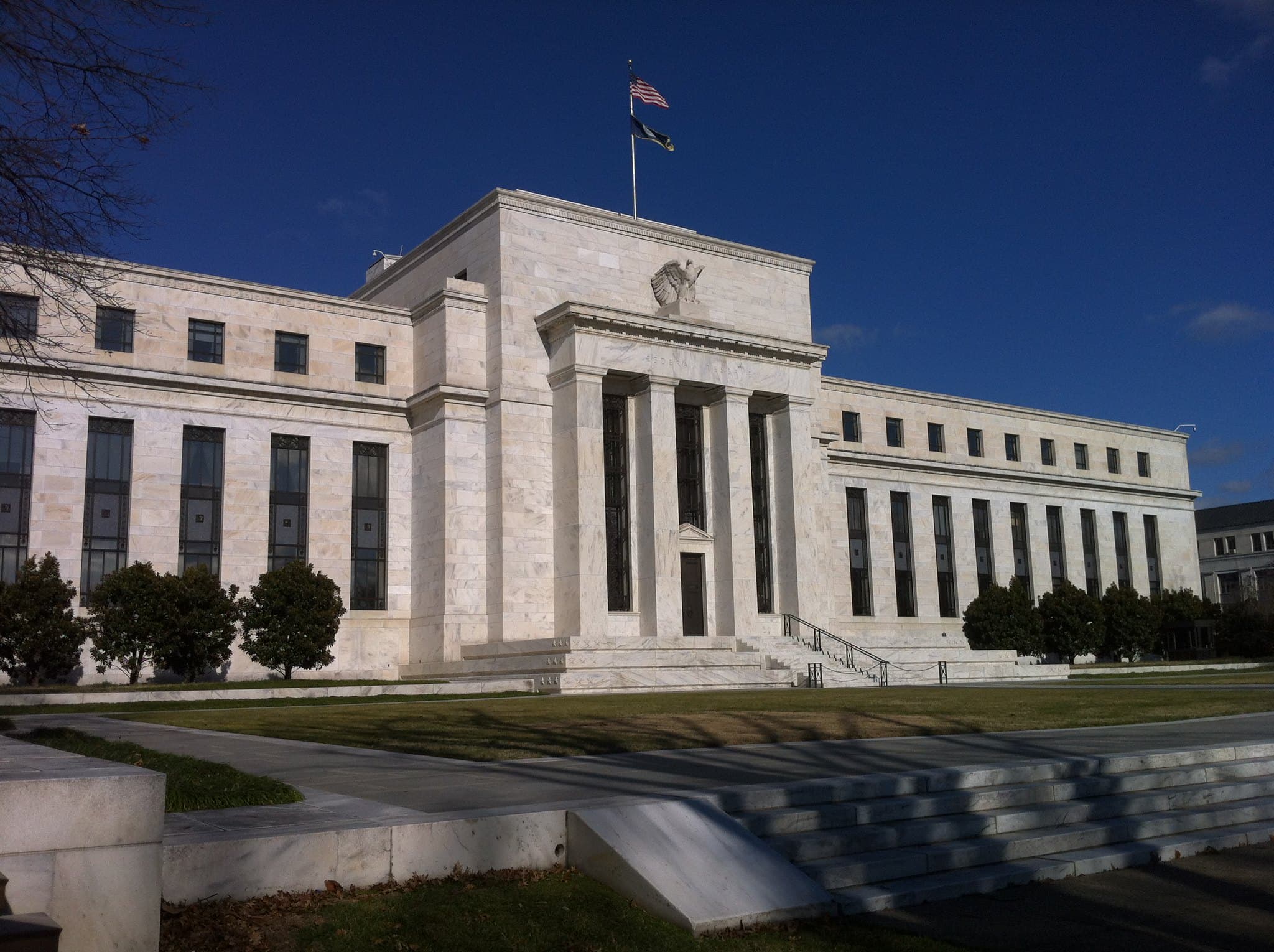
Month-over-month, prices increased 0.1 percent. The modest deceleration gives Federal Reserve officials room to hold rates steady as they assess whether the disinflationary trend can persist.
Core inflation — excluding food and energy — slipped to 2.5 percent annually in July from 2.6 percent in June, matching a post-pandemic low last reached in January and February. On a monthly basis, core prices rose 0.2 percent. Sustained gains at that pace would, over time, pull headline inflation toward the Fed's 2 percent target.
Energy costs complicate the picture. Gasoline averaged $4.04 a gallon nationwide in late July and into August, up 16 cents from a month earlier, according to AAA.
Several shocks have kept inflation elevated: tariffs imposed by President Trump last spring, higher gasoline prices driven by the Iran war, and increased investment in artificial intelligence infrastructure that lifted computer chip costs.
The Fed holds its benchmark rate at roughly 3.6 percent. Wednesday's data supports officials who argue the central bank can stay on hold while transitory pressures work through the system.
Yet overall prices have run above the Fed's 2 percent target for more than five years — a duration that strains the "temporary factors" argument and keeps fixed-income traders on edge.
Service inflation is the stickiest line item. Healthcare, restaurant meals and car maintenance costs are all rising at more than 3 percent annually. Unlike goods prices, service costs respond minimally to swings in gasoline or chip prices; they track wages. For longer-dated Treasury portfolios, persistent service inflation means duration risk does not fade with each incremental CPI print — it compounds. Spread compression in corporate credit remains contingent on a services deceleration that has yet to materialize.