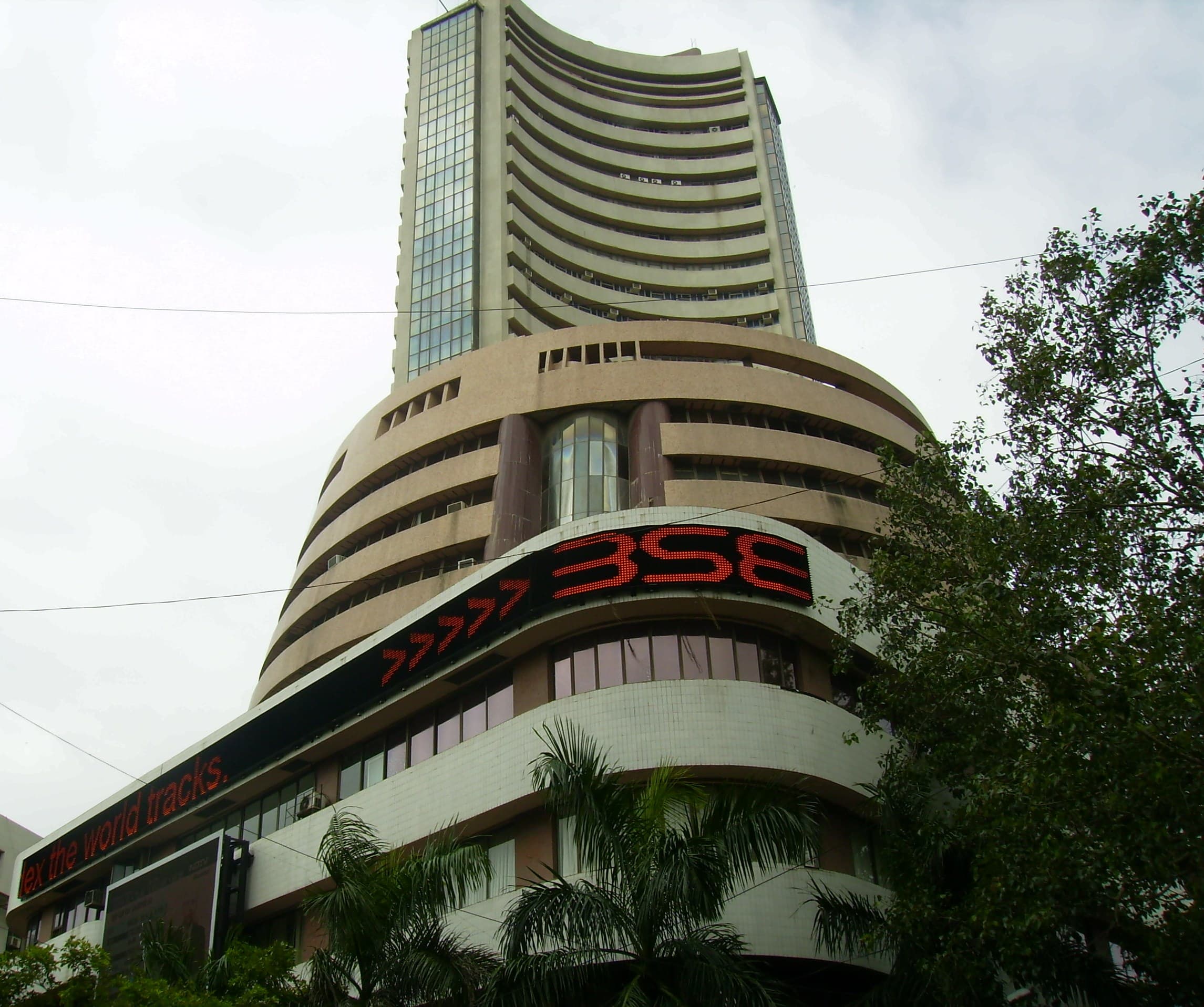
BSE Ltd. operator of the Bombay Stock Exchange, will join the Nifty 50 index, India's most-watched equity benchmark. The inclusion forces a mechanical buying wave from institutional investors, with an estimated $639 million in passive inflows directed to BSE shares.
National Stock Exchange of India Ltd. (NSE), which manages the benchmark through its subsidiary NSE Indices, confirmed the change. BSE will replace IT services firm Wipro in the 50-stock gauge. The swap takes effect on Sept. 30.
Roughly $97 billion in assets under management track the Nifty 50 as of May 31, according to NSE data. That capital sits in passive funds, exchange-traded funds and other index-tracking portfolios whose mandates require them to replicate the index composition, triggering mandatory share purchases.
BSE shares closed 4 percent higher on Aug. 10, extending gains for 2026 to approximately 37 percent. A ₹1 lakh investment made at BSE's initial public offering has grown to an estimated ₹80 lakh to ₹90 lakh by mid-2026.
Forced buying pressure for BSE shares typically begins before the official inclusion date, as traders front-run anticipated demand from index funds. That dynamic drives elevated volumes and upward price pressure in the weeks preceding the effective date.
Wipro, the outgoing component, faces the mirror image. Index funds must divest their holdings, pointing to an estimated $206 million in outflows. Wipro shares fell 1.1 percent on Aug. 10 and are down 29.5 percent for the year.
The inclusion coincides with NSE's plans for a public listing, expected to rank among the largest initial public offerings in Indian history. NSE would almost certainly list its shares on the BSE platform, avoiding the conflicts of interest inherent in listing on its own exchange. The timing for the NSE IPO has not been disclosed.
The Nifty 50 represents the 50 largest companies in India, with inclusion criteria based on average free-float market capitalization over the prior six months and trading liquidity. BSE was deemed ineligible as recently as May 2026 due to its exclusion from the broader Nifty 100—a criterion that changed quickly.