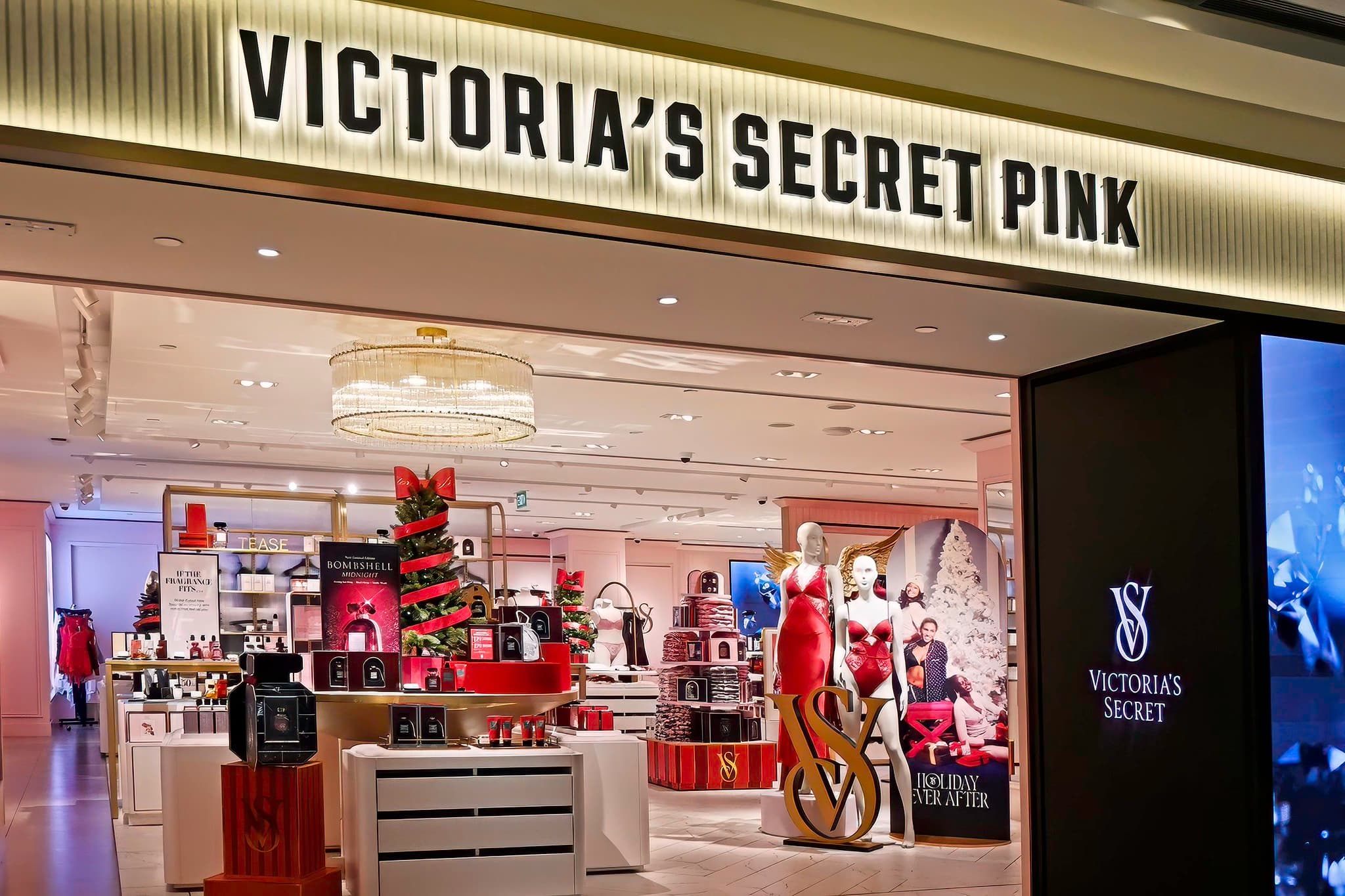
Victoria's Secret (VSCO) finds itself at the center of a high-stakes corporate governance battle, accusing one of its largest shareholders of initiating a proxy fight. The company explicitly characterized the effort as a significant distraction, following the shareholder's unsuccessful bid to secure a seat on its board of directors. This development thrusts Victoria's Secret's leadership and strategic direction into the spotlight, particularly as the iconic brand navigates a challenging and evolving retail landscape. The accusation underscores deep disagreements within the company's investor base regarding its current trajectory and the effectiveness of its ongoing transformation initiatives, signaling a potentially contentious period ahead for shareholders.
Shareholder activism often introduces a period of heightened volatility into a company's stock, though it can also serve as a potent catalyst for unlocking latent value. The broader U.S. equity market today demonstrated resilience, with the S&P 500 trading up 0.8 percent to $7,256, reflecting a generally positive investor sentiment. Concurrently, the Nasdaq Composite climbed 0.9 percent, reaching $25,290, and the Dow Jones Industrial Average gained 0.7 percent, closing at $49,276. Investors typically scrutinize such disputes closely, weighing the immediate operational disruption against the long-term potential for enhanced shareholder returns through improved corporate governance or more aggressive strategic shifts. In the consumer discretionary sector, where Victoria's Secret operates, these battles are particularly watched as they can indicate broader shifts in investor confidence regarding management efficacy and the pace of necessary business evolution.
This scenario at Victoria's Secret echoes numerous high-profile proxy contests that have unfolded across the retail and broader consumer sectors in recent years. Historically, activist campaigns have varied widely, ranging from outright calls for management overhauls to more nuanced pushes for strategic adjustments, asset divestitures, or revised capital allocation policies. Successful activist interventions often precede significant shareholder value creation, as evidenced in past cases where underperforming divisions were shed or operational inefficiencies rigorously addressed, leading to enhanced profitability. Conversely, prolonged and acrimonious battles can severely strain management resources, divert critical focus from core business operations, and ultimately depress a company's stock performance over an extended period. The ultimate outcome frequently depends on the activist's credibility, the compelling nature of their strategic proposals, and the level of institutional investor support they can marshal against incumbent management.
Wall Street analysts typically hold a range of views on activist interventions, carefully weighing the immediate disruption against the potential for long-term benefits that could emerge. Some analysts will likely interpret this proxy fight as a necessary jolt for Victoria's Secret to accelerate its ongoing turnaround, especially considering the brand's imperative to adapt to changing consumer preferences and competitive pressures. Institutional investors, including powerful pension funds and large asset managers, will now meticulously assess the merits of the activist's platform in contrast to the current board's articulated strategy. Their voting decisions will be pivotal, often aligning with proposals that promise enhanced shareholder returns through improved governance, more aggressive strategic shifts, or a clearer path to profitability. The current market environment, characterized by robust performance in major indices like the Nasdaq, might encourage some investors to back efforts aimed at unlocking latent value in established, yet underperforming, companies.
Victoria's Secret has been engaged in a substantial transformation since its spin-off, concentrating on brand revitalization, expanding its product categories, and significantly enhancing its digital commerce footprint. The company operates in intensely competitive lingerie and beauty markets, which necessitates continuous innovation, agile product development, and highly effective marketing strategies to maintain and grow its market share. Its recent efforts have aimed at diversifying its customer base and moving beyond its traditional image, a strategic pivot that has required substantial investment in marketing campaigns, product design, and supply chain optimization. A proxy fight could either sharpen the focus on these critical fundamental issues or, conversely, derail progress by fostering internal strife, consuming valuable management time, and diverting essential capital away from strategic initiatives. Investors will meticulously analyze the company's revenue growth trajectory, potential for margin expansion, and efficiency of capital expenditures against the backdrop of this significant governance challenge.
This specific governance dispute at Victoria's Secret reflects a broader, undeniable trend of increased shareholder assertiveness across U.S. equities, particularly prevalent in sectors undergoing significant technological and consumer-driven disruption. Institutional investors are demonstrating a greater willingness to challenge corporate boards and management teams when they perceive a persistent disconnect between company performance and shareholder value creation. The market's current robust risk appetite, evidenced by the Russell 2000's strong 1.4 percent gain today to $2,834, suggests that investors are generally willing to back initiatives focused on growth and value creation, even if these efforts are accompanied by governance-related friction. Such high-profile battles can significantly influence sector-wide investor confidence, prompting closer scrutiny of governance structures, executive compensation, and management accountability in peer companies. This dynamic underscores the evolving relationship between capital providers and corporate stewards, with a clear and escalating emphasis on maximizing long-term shareholder returns through effective oversight and strategic alignment.
The immediate focus for Victoria's Secret and its shareholder base will undoubtedly shift to the upcoming proxy season and the formal presentation of the activist's specific demands. Investors must meticulously monitor all communications from both the incumbent management and the activist shareholder, seeking concrete proposals for operational improvements, revised capital allocation strategies, or changes in board composition. Key catalysts in the coming months will include any public statements from influential institutional advisory firms, which often sway large institutional voting blocs, and the ultimate shareholder vote that will determine the board's future direction. While Victoria's Secret does not have a specific price target listed in the provided data, its stock performance will likely hinge on the market's perception of the dispute's resolution and its long-term impact on the company's strategic roadmap. The outcome of this proxy fight could indeed set a significant precedent for similar situations in the broader consumer discretionary space, influencing how other companies respond to increasing activist pressure.
Gokhshtein Media views the Victoria's Secret proxy fight as a critical inflection point for the company, demanding immediate and thorough attention from astute investors. While incumbent management characterizes the campaign as a distraction, the underlying issues of shareholder representation, strategic execution, and capital efficiency are legitimate concerns that cannot be dismissed. A well-executed activist campaign, rigorously focused on clear operational improvements, disciplined capital allocation, and a refreshed brand vision, possesses the potential to unlock significant latent value, particularly for a brand undergoing a complex and challenging transformation. However, if this battle devolves into a prolonged and acrimonious struggle, it risks severely derailing the company's fragile turnaround efforts and further eroding fragile investor confidence. Investors should therefore position for increased volatility in VSCO shares and closely evaluate the strategic merits of both the incumbent board's plan and the activist's proposals, understanding that the ultimate winner will be determined by which side can most convincingly articulate a path to superior, sustainable shareholder returns.

