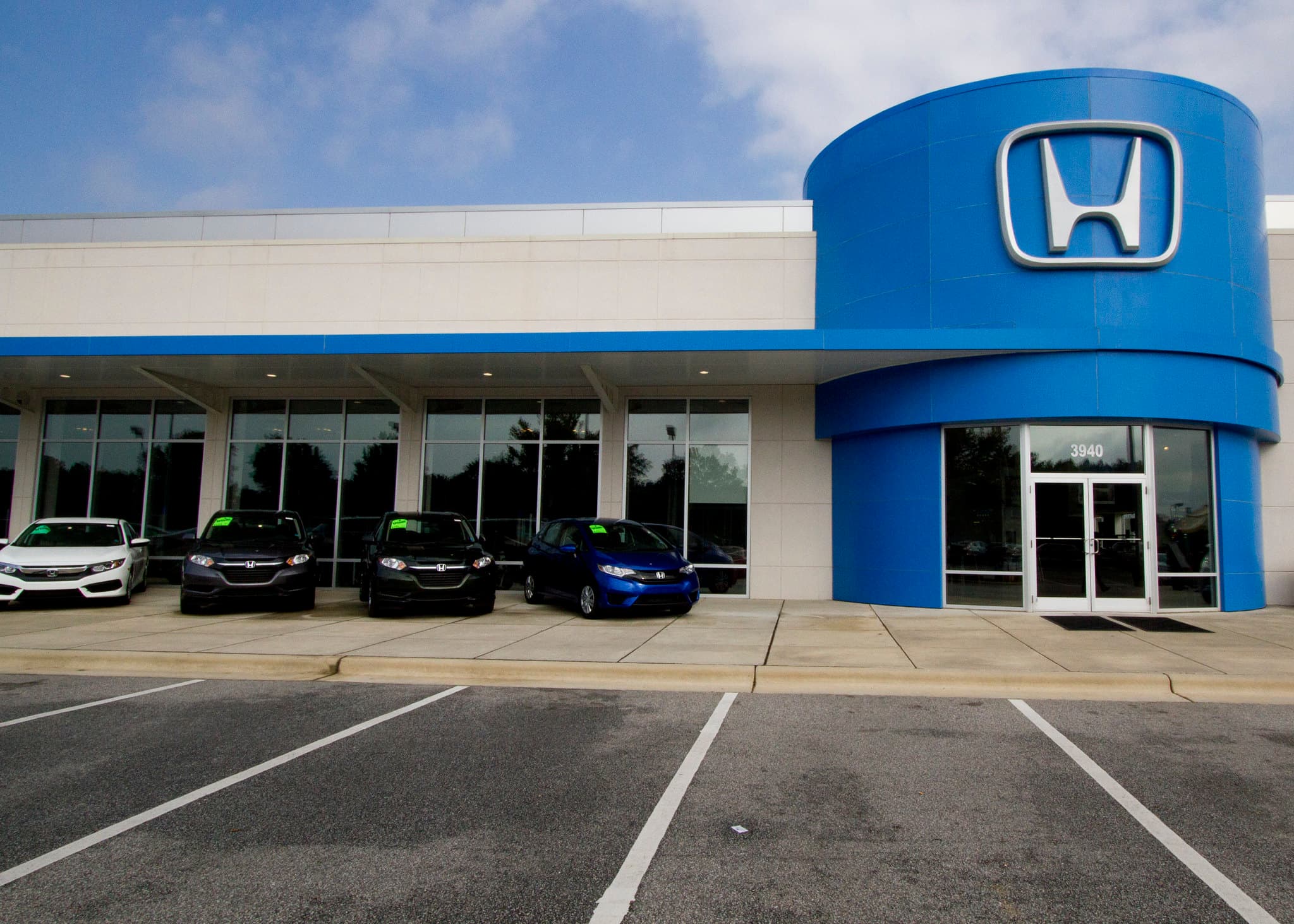
A significant shift is occurring in the automotive market as a growing number of consumers are choosing less expensive, more basic vehicle models. This trend emerges as average new vehicle prices approach $50,000, prompting buyers to re-evaluate their needs and prioritize affordability over premium features or larger vehicle types. Data from automakers confirms a rise in sales for lower-cost models and base trims in recent years.
For investors and traders, this development signals a potential recalibration of demand within the auto sector. Companies heavily reliant on sales of high-margin, feature-rich SUVs and luxury trims may face headwinds. Conversely, manufacturers with strong offerings in the compact sedan and entry-level pickup segments could see increased market share. This suggests a need to monitor inventory levels and sales performance across different vehicle categories.
Prior to this emerging trend, the automotive market saw a sustained period of high demand, often driven by a desire for larger vehicles and advanced technology. This demand, coupled with supply chain disruptions, contributed to the significant price increases now influencing consumer choices. The market had been characterized by robust sales of higher-trim vehicles, a dynamic now appearing to be in flux.
Moving forward, market participants should closely observe automaker production plans and inventory adjustments. The continued sales performance of base models versus higher trims will be a key indicator of the market's direction. Pay attention to any shifts in pricing strategies or promotional activities aimed at either segment. This evolving consumer preference warrants careful observation.


