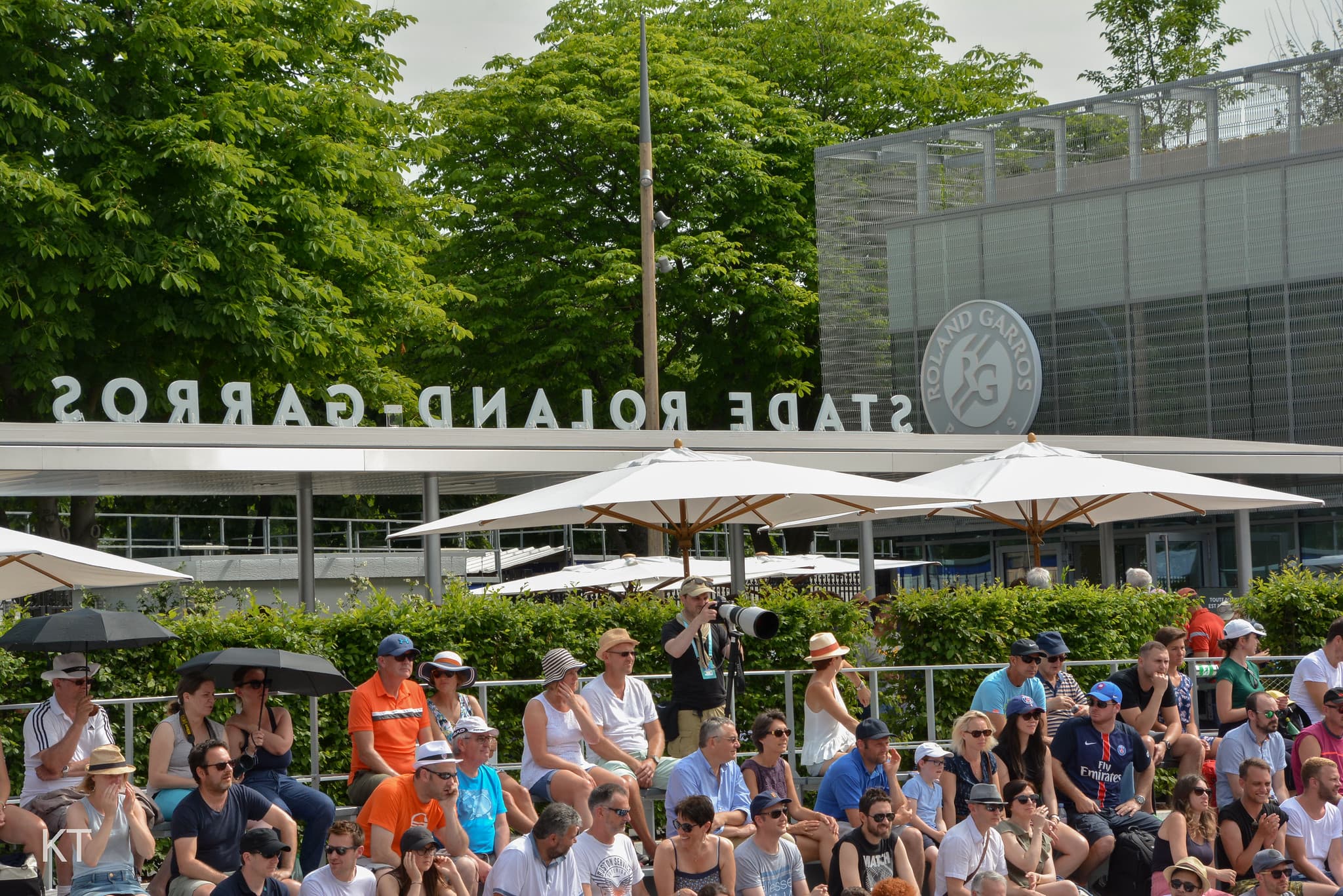
As Roland Garros looms just weeks away, the real battle in professional tennis is unfolding off the court. Top players, including major figures like Novak Djokovic and Iga Swiatek, are increasingly vocal about the perceived stagnation of prize money increases across the sport’s four biggest events. This isn't just about a few extra dollars; it’s a fundamental dispute over the economic model of professional tennis and a perceived imbalance between player compensation and the tournaments' skyrocketing revenues. The Grand Slams, particularly the French Open, are facing renewed pressure to address demands for more significant increases in player earnings.
While the sport's elite players still command millions, the distribution of wealth is heavily skewed, and the percentage of overall revenue allocated to prize money has reportedly decreased over time, even as tournament profits soar. Players argue that Grand Slams generate hundreds of millions in revenue annually from broadcasting rights, lucrative sponsorships, and robust ticket sales, yet prize money hikes have not kept pace with these exponential growth trajectories. The current financial structure leaves many professional players outside the top 100 struggling to cover essential travel and coaching expenses, making the pursuit of a career in professional tennis financially unsustainable for a vast majority.
The four Majors — the Australian Open, Roland Garros, Wimbledon, and the U.S. Open — operate as independent entities, each boasting massive commercial operations and substantial financial power. Their revenue streams are incredibly robust, fueled by multi-year, multi-million-dollar deals with global broadcasters like ESPN, Eurosport, and Nine Network, alongside major sponsors such as Rolex, Emirates, and Lacoste. These tournaments consistently contend that they face significant operational costs, ongoing infrastructure investments, and important charitable contributions, which they cite as reasons for exercising caution and conservatism in prize fund increases. Organizers also emphasize the immense prestige and global exposure players gain by competing in these marquee events, arguing this inherently contributes to their individual brand value and opens doors to lucrative endorsement opportunities.
Player power is consolidating, with organizations like the Professional Tennis Players Association (PTPA), co-founded by Novak Djokovic, serving as a prominent voice for athletes. Players believe their star power, global appeal, and on-court performance are the primary drivers of the Grand Slams' commercial success, making them indispensable assets to the sport. They frequently point to other major professional sports leagues, such as the NBA or NFL, where collective bargaining agreements ensure a much higher percentage of league revenue is allocated directly to player salaries, often exceeding 50 percent of total revenue. This stark comparison fuels the players' conviction that tennis urgently needs a more equitable revenue-sharing model that truly reflects their value.
This isn't merely a polite request; it is a high-stakes power struggle with significant implications for the future of the sport. Players have historically used their collective voice to push for change, with the implicit threat of boycotts looming in the background during past prize money disputes. While a full boycott of Roland Garros remains unlikely given the individual financial and career stakes for each athlete, the ongoing public pressure and unified stance from top players create substantial leverage against tournament organizers. The Grand Slams risk alienating their biggest stars and diminishing the perceived value and prestige of their events if they fail to engage meaningfully with player demands, potentially damaging sponsor relationships and public image.
The debate over prize money is not a new phenomenon in tennis; throughout the Open Era, players have consistently fought for better compensation, leading to significant increases over the decades. However, the current era sees Grand Slam revenues at unprecedented, record-breaking levels, far outpacing the growth of prize money as a proportion of total earnings. In the early 2000s, for example, prize money often represented a larger proportion of total tournament revenue than it does today, highlighting a shift in the economic landscape. The fundamental challenge now is adapting a centuries-old sport's economic structure to a modern, multi-billion-dollar global entertainment industry, ensuring the athletes who drive the spectacle are adequately rewarded for their immense contributions and physical risks.
A fair and swift resolution to this dispute is absolutely critical for the long-term health and sustainability of professional tennis. If top players feel continually undervalued, it could impact their commitment to the grueling professional circuit, potentially leading to fewer appearances at non-Slam events or even earlier retirements from the sport. More importantly, inadequate prize money at the lower tiers of the professional game actively discourages aspiring professionals, severely limiting the talent pool and global reach of tennis. A more equitable distribution, particularly improving earnings for players ranked outside the top 50, ensures a broader base of financially viable professionals, fostering greater competition and sustaining the sport's global appeal for generations to come.
Gokhshtein's Take: This is an absolute no-brainer. The Grand Slams are printing money hand over fist, generating billions, and the players are the undeniable product that drives every single dollar of that revenue. It is an outright travesty that these multi-billion-dollar events are nickel-and-diming the athletes who put their bodies and careers on the line day in and day out. The organizers need to cut the corporate greed and pay up. A 50 percent revenue split, or something very close to it, is the only fair and justifiable outcome. Anything less is a direct slap in the face to the players and a profoundly short-sighted approach that will ultimately damage the sport's future. The players hold all the leverage here; they need to use it to secure what is rightfully theirs.


