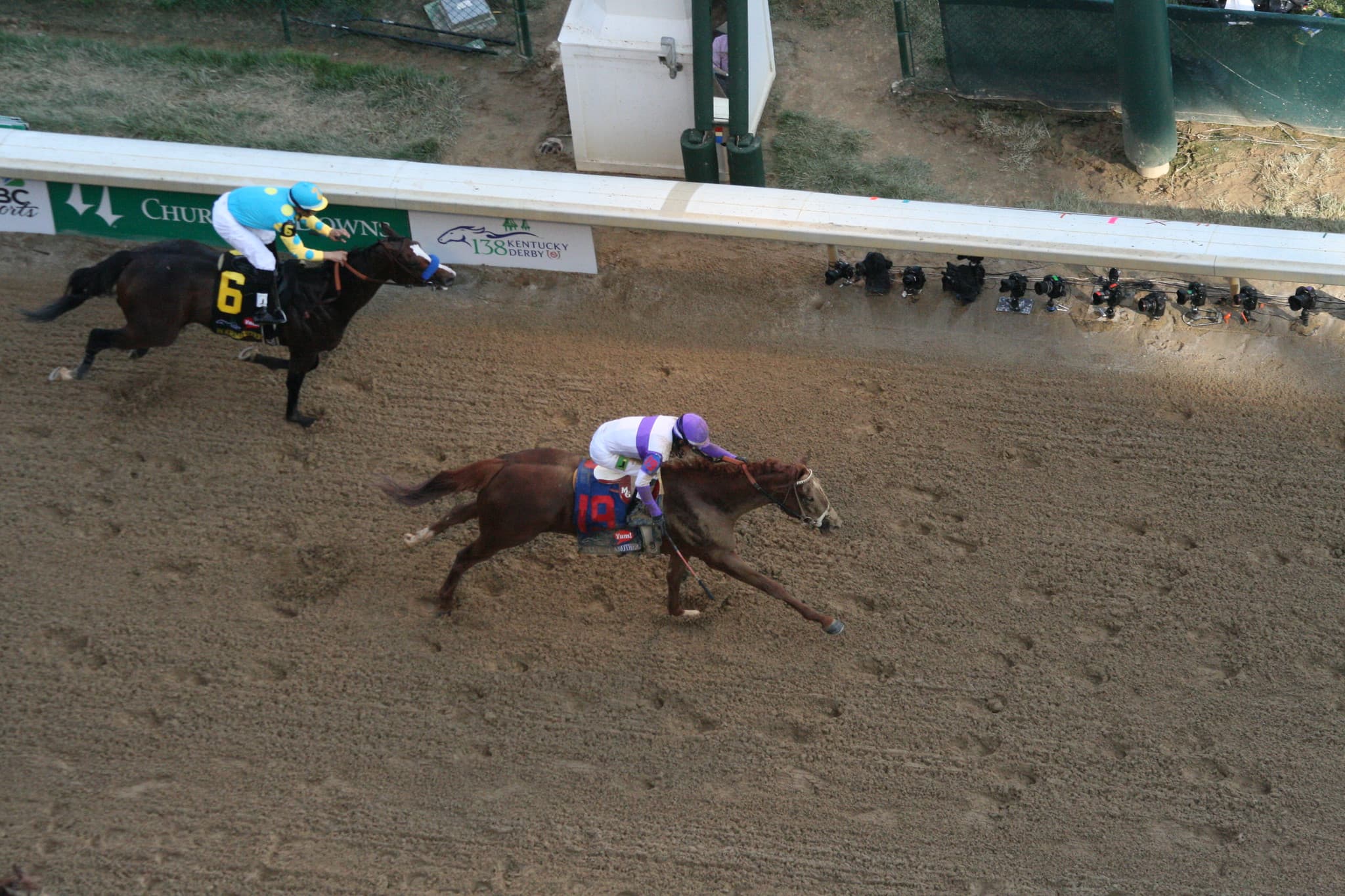
Golden Tempo delivered a commanding performance at the 152nd Kentucky Derby, crossing the finish line first and etching its name into horse racing lore. The victory at Churchill Downs was not just a triumph for the powerful bay colt and jockey Javier Reyes, but a monumental moment for trainer Cherie DeVaux, who became the first woman to train a Derby winner in the race's storied history. This groundbreaking win immediately elevates DeVaux to an elite tier, cementing her legacy in a sport often dominated by male figures and signaling a significant shift in the landscape of thoroughbred racing's pinnacle event. The win also secured a hefty $3.1 million share of the $5 million total purse for Golden Tempo’s connections, a massive financial reward that underscores the high stakes of the Derby.
The race unfolded with a thrilling display of speed and stamina from Golden Tempo. Breaking cleanly from post position eight, Reyes positioned Golden Tempo deftly in the middle of the pack, conserving energy through the initial chaotic surge. The colt clocked a swift quarter-mile in 22.7 seconds and a half-mile in 46.2 seconds, never falling too far behind the early leaders. As the field hit the far turn, Reyes asked for more, and Golden Tempo responded with an explosive burst, gobbling up ground and taking the lead at the top of the stretch. The colt then powered through the final furlong, holding off a determined late charge from second-place finisher Iron Duke by a decisive one and a half lengths, completing the one and one-quarter miles in an impressive 2:01.12. This masterful performance showcased both Golden Tempo’s raw talent and Reyes’s expert navigation through a twenty-horse field.
This Derby victory immediately thrusts Golden Tempo into the spotlight as the horse to beat on the Triple Crown trail. The dream of horse racing's most elusive prize, the Triple Crown, now looms large for DeVaux Racing Stables. The focus now shifts to the Preakness Stakes at Pimlico in two weeks, followed by the Belmont Stakes a few weeks later, where Golden Tempo will carry the weight of expectation. Beyond the track, DeVaux's win is a powerful narrative for the sport, inspiring countless aspiring female trainers and owners, proving that talent and dedication transcend gender in a sport that has historically been slow to embrace diversity in its highest echelons. This is more than a trophy; it is a symbol of progress.
Cherie DeVaux's training philosophy has always emphasized a meticulous, individualized approach to each horse, focusing on developing their natural abilities rather than forcing them into a mold. Her patience and keen eye for detail were evident in Golden Tempo's peak conditioning for the Derby, a race notorious for exposing any weaknesses. The colt displayed not only blistering speed and unwavering stamina but also remarkable mental fortitude to navigate the crowded field and withstand pressure. This victory is the culmination of years of hard work and strategic planning by DeVaux and her dedicated team, building a stable known for its consistent performance and ability to prepare horses for the biggest stages. This was not a fluke; it was a testament to a well-executed vision.
For the losing side, the Derby proved to be a brutal reminder of the fine margins in elite racing. Iron Duke, ridden by veteran Luis Saez, ran a valiant race, making a strong move in the stretch but simply finding Golden Tempo too strong in the final drive. Favorite Thunderbolt, with Irad Ortiz Jr. aboard, never truly fired, finishing a disappointing sixth after a troubled trip that saw him caught in traffic early and unable to unleash his customary closing kick. Crimson Comet, under Florent Geroux, secured third but was never truly a threat for the win. The sheer size of the Derby field, with twenty horses vying for position, often leads to bumping and strategic challenges that can derail even the most talented contenders, highlighting the unique difficulty of securing victory in this specific event.
While Golden Tempo arrived at Churchill Downs in pristine condition, the pre-race period saw its share of drama and scratches that undoubtedly altered the dynamics of the field. Several promising contenders were sidelined due to minor ailments or insufficient qualifying points, which is a perennial challenge in the lead-up to the Derby. Golden Tempo's journey to the starting gate was smooth, a testament to DeVaux’s ability to keep her horse sound and healthy through a demanding prep race schedule. This clean bill of health and consistent training regimen allowed Golden Tempo to perform at its absolute best, without the lingering questions or doubts that plagued some of its rivals heading into the most important race of their careers, demonstrating the critical role of conditioning.
Looking ahead, all eyes will be on Golden Tempo as the racing world anticipates whether this talented colt can continue its dominant run towards the Triple Crown. The Preakness Stakes, often referred to as the “Middle Jewel,” presents a different challenge with its shorter distance and tighter turns, demanding a different tactical approach. Potential challengers who either skipped the Derby or had subpar performances will be eager for redemption, making the upcoming races even more compelling. The financial implications for a Triple Crown winner are staggering, with breeding rights alone potentially soaring into the tens of millions of dollars, creating an enormous incentive for the connections to maintain this winning streak and cement the horse’s place in history.
This isn't just about a horse winning a race; it's about Cherie DeVaux shattering a glass ceiling that has stood for over a century and a half. Her victory is a seismic shift in the traditionally male-dominated world of thoroughbred racing, proving that expertise and talent are the only true prerequisites for success. The business implications are enormous, not only for the immediate value of Golden Tempo, which has skyrocketed overnight, but also for opening doors for more women in training, ownership, and management across the entire industry. This is a moment that transcends the track and will resonate far beyond Churchill Downs, inspiring a new generation and fundamentally altering the perception of who can achieve greatness in the sport of kings.


