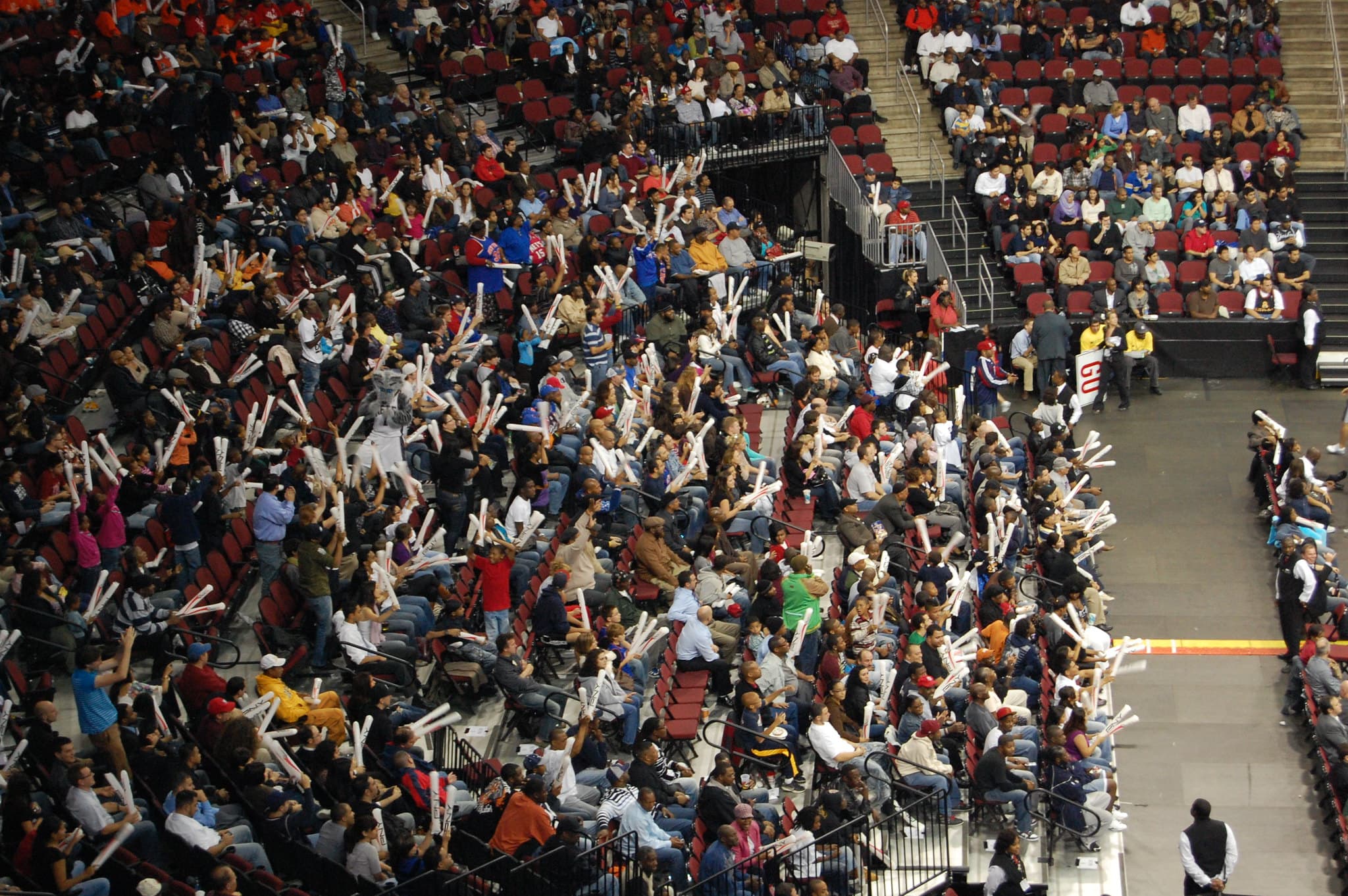
The New York Knicks punched their ticket to the Eastern Conference Semifinals, narrowly defeating the Philadelphia 76ers 106-104 in a brutal Game 7 at Madison Square Garden. Jalen Brunson delivered a forty-one-point masterclass, ensuring the Knicks secured the series four games to three and cemented their position as a legitimate contender in a conference stacked with talent. This hard-fought victory means New York will now face the Indiana Pacers, who dispatched the Milwaukee Bucks in six games, in a series that begins on Monday night, with home-court advantage shifting to the Knicks. The win also sends a clear message across the league: the Knicks are not just a feel-good story anymore; they are a formidable playoff force driven by their star guard and a gritty defensive identity. This deep run is already paying dividends, elevating the team's profile and fan engagement.
Brunson’s performance was the stuff of legends, carrying the offensive load with an efficiency that belied the immense pressure of a winner-take-all game. He shot 14-for-28 from the field, relentlessly attacking the rim, drawing fouls, and hitting all nine of his free throws, relentlessly attacking the rim and hitting crucial jumpers down the stretch when the 76ers threatened to steal momentum. The Knicks’ vaunted defense, a hallmark of coach Tom Thibodeau’s system, clamped down on the 76ers in the crucial final minutes, forcing two key turnovers and a desperation missed three-pointer by Tyrese Maxey in the last ninety seconds that sealed Philadelphia’s fate. Isaiah Hartenstein's ten rebounds and three blocks provided essential interior presence, consistently disrupting Embiid’s post-ups, while Donte DiVincenzo added seventeen points, including three timely three-pointers that kept the Knicks ahead when Philadelphia mounted its most dangerous runs.
This series was a grinder, a true test of wills that saw both teams trading blows and momentum shifts with every passing game. For the Knicks, advancing to the second round is a monumental step in their franchise rebuild, validating the aggressive moves made by President Leon Rose and General Manager Scott Perry over the past few seasons, particularly the investment in Brunson. Their trajectory now points toward a legitimate deep playoff run, a prospect that electrifies the fan base and adds significant value to the franchise’s bottom line, potentially boosting merchandise sales, increasing future season ticket demand, and securing lucrative regional broadcast deals. The 76ers, on the other hand, face another offseason of difficult introspection and critical roster decisions after falling short in the first round once again, raising questions about their core’s ability to win a championship.
The Knicks’ identity is built on tenacity, defense, and the sheer, unyielding will of Jalen Brunson, who embodies their never-say-die attitude. They play a physical brand of basketball, dominating the boards with a forty-eight to thirty-nine rebounding advantage in Game 7 and making every possession a battle, wearing down opponents both mentally and physically. Head coach Tom Thibodeau has meticulously instilled a culture of relentless effort and accountability, transforming a roster of hard-nosed, overlooked players into a cohesive unit that consistently thrives under playoff pressure. This team does not rely on individual brilliance outside of Brunson's incredible output; instead, they operate as a true collective, consistently executing their game plan and outworking opponents, a formula that has proven successful throughout the demanding regular season and now into the crucible of the playoffs. Their ability to win ugly games speaks volumes about their championship aspirations.
For the 76ers, this loss stings deeply, particularly after pushing the series to the brink despite Joel Embiid’s lingering knee issues and a lack of consistent contributions from their bench. Their inability to close out games and a lack of reliable scoring depth beyond Embiid and Maxey ultimately proved fatal, exposing vulnerabilities that perennial contenders cannot afford. Embiid, while courageous with thirty-two points and fourteen rebounds, appeared visibly hampered at times, impacting his defensive mobility and overall endurance in the critical fourth quarter, where he seemed to fade. The supporting cast largely struggled, with Tobias Harris managing only ten points on 4-for-13 shooting, a performance that starkly highlighted the team’s over-reliance on its stars and the critical need for more reliable offensive production from its secondary players in high-stakes moments, especially given their hefty contracts.
The absence of All-Star forward Julius Randle for the entire playoffs due to shoulder surgery loomed large for the Knicks, forcing players like Precious Achiuwa and Josh Hart into expanded roles and heavier minutes, which they embraced with characteristic grit and determination. OG Anunoby’s timely return from elbow inflammation in Game 4 provided a crucial defensive boost and much-needed perimeter scoring, tipping the scales decisively in New York’s favor during the latter half of the series and solidifying their starting five. For Philadelphia, Embiid’s compromised knee, which required a meniscus procedure earlier in the season, was a constant concern, limiting his explosiveness, making him a target on defense, and undoubtedly affecting his ability to perform at peak levels for seven grueling games. These injury narratives underscore the brutal physical toll of playoff basketball and how a single player’s health, or lack thereof, can dramatically swing an entire series’ outcome and impact a franchise’s future.
With the Knicks now officially advancing, the NBA’s second round still eagerly awaits the resolution of two more gripping Game 7s scheduled for tonight, promising an intense conclusion to the first round. In the Eastern Conference, the Cleveland Cavaliers host the Orlando Magic, a series that has seen both teams protect their home court fiercely, with the home team winning every contest so far. The winner of that highly anticipated matchup will face the top-seeded Boston Celtics, who swept their first-round opponent with ease, putting immense pressure on both Cleveland and Orlando to seize this opportunity for a chance at a deep playoff run. Out West, the reigning champion Denver Nuggets will battle LeBron James and the Los Angeles Lakers in a highly anticipated clash that reignites a modern playoff rivalry, with the victor earning the right to challenge the formidable Minnesota Timberwolves, who impressively swept the Phoenix Suns. These games are not just about advancing; they represent massive financial stakes for the franchises involved, with each home playoff game generating millions in revenue from ticketing, luxury suites, and broadcast rights.
Let’s be real here: the Knicks winning Game 7 is not just a feel-good story for New York fans; it’s a massive financial win for James Dolan and the Madison Square Garden Company, directly impacting the bottom line. Every extra playoff game, especially deep into the second round, translates into tens of millions in additional revenue from tickets, concessions, and merchandise, driving up the franchise valuation and bolstering the team’s marketability. For the 76ers, this loss, coupled with Embiid’s ongoing health concerns and the team’s perennial playoff struggles, puts serious pressure on their front office to re-evaluate their roster construction and potentially explore significant changes to their core. Tyrese Maxey is due for a massive extension this offseason, and questions will persist about Embiid’s long-term durability, which could impact future sponsorship deals and the overall team appeal to free agents. Meanwhile, the Lakers-Nuggets Game 7 isn't just a battle of titans; it's a showdown with colossal implications for LeBron's legacy and the Lakers' ability to attract another superstar in the coming off-season, directly influencing their market cap and global brand appeal. This isn't just basketball; it’s big business played out on the grandest stage.


