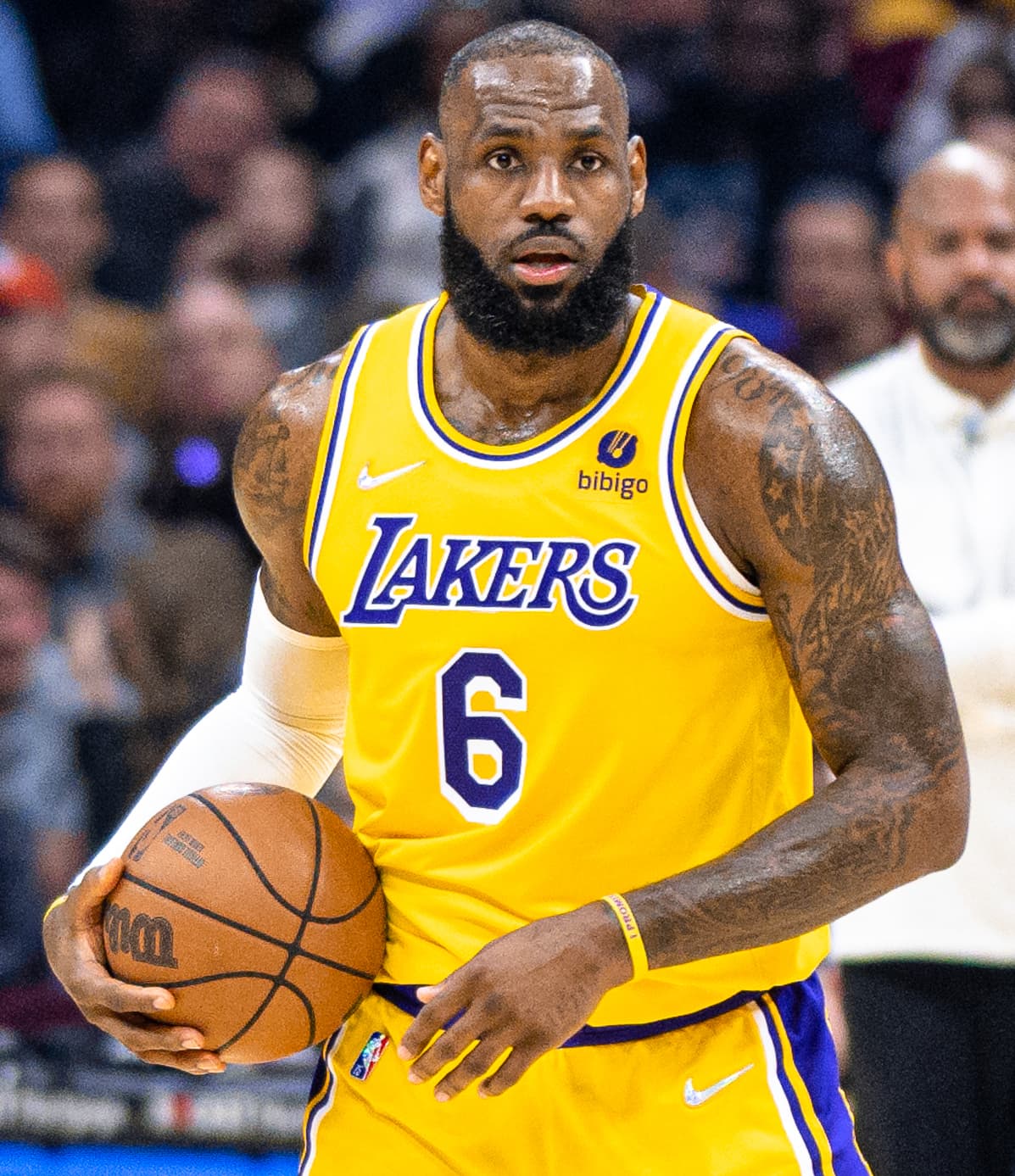
The Los Angeles Lakers seized a commanding three-zero series lead over the Houston Rockets, delivering a decisive blow to their playoff aspirations in a crucial Game Three matchup. This wasn't merely another victory; it was a statement win that pushed the Lakers to the precipice of a first-round sweep, setting a dominant tone for their postseason run. LeBron James once again spearheaded the charge, recording an exceptional 29 points, 13 rebounds, 6 assists, and 3 steals, showcasing his unparalleled two-way impact. Forward Rui Hachimura added a robust 22 points on efficient eight-for-14 shooting from the field, complemented by 4 rebounds, while point guard Marcus Smart orchestrated the offense with 21 points, 10 assists, and 5 steals, proving instrumental on both ends of the court. The Lakers now head into Game Four with a clear path to advance, leaving the Rockets scrambling for answers.
The performance that ultimately decided the contest was a masterclass in controlled aggression and veteran leadership, particularly from James. His 29 points included several crucial buckets in the fourth quarter that stifled any Rockets comeback attempt, demonstrating his enduring ability to close out games. Beyond the scoring, his 13 rebounds anchored the Lakers' interior defense and ignited fast breaks, while his 6 assists consistently found teammates in scoring positions, keeping the Houston defense off balance. Hachimura’s efficiency, hitting eight of 14 shots, highlighted his growing confidence and ability to capitalize on defensive mismatches, providing a vital secondary scoring punch. Smart's dual threat of scoring 21 points and dishing out 10 assists, coupled with his disruptive 5 steals, showcased why the Lakers’ strategic acquisition of him has been a major success, transforming their backcourt defense and offensive flow.
This dominant three-zero series lead carries significant implications for both franchises, extending far beyond the immediate playoff picture. For the Lakers, a swift sweep means invaluable rest for their veteran roster, particularly for James, who continues to defy age with his heavy minutes and production. This conserved energy could be a critical factor in deeper playoff rounds, potentially extending their championship window and boosting their odds against tougher Western Conference opponents. Conversely, the Rockets face an existential crisis, as a first-round exit, especially a sweep, will force a harsh re-evaluation of their young core, coaching staff, and overall team construction. The financial ramifications for Houston are also substantial, as a quick playoff exit impacts local revenue, merchandise sales, and the perceived value of their developing assets.
The Lakers' identity throughout this series has been crystal clear: a veteran-led squad with championship pedigree, capable of suffocating defense and opportunistic scoring. James's continued MVP-caliber play at 41 years old is not just a statistical anomaly; it is a testament to his meticulous physical conditioning and strategic brilliance, which continues to elevate the entire roster. Hachimura's consistent offensive output and Smart's relentless two-way effort underscore the depth and versatility of this Lakers team, demonstrating that they are more than just a one-man show. This collective performance reveals a team peaking at the right time, a formidable force that understands how to leverage experience and talent to dismantle opponents. The synergy between their established stars and impactful role players has forged a cohesive unit that poses a serious threat to any contender.
For the Houston Rockets, this series has exposed significant vulnerabilities and a clear gap in championship-level experience and execution. Despite moments of individual brilliance from their young players, the team consistently struggled to contain the Lakers' offensive firepower, particularly in the pick-and-roll and transition. Their defensive schemes appeared overwhelmed by the Lakers' disciplined attack, leading to open looks and easy lanes to the basket. Offensively, the Rockets lacked a consistent secondary scorer to alleviate pressure from their primary playmakers, often resorting to isolation plays that were easily defended by the Lakers' veteran savvy. The inability to respond effectively to Los Angeles's adjustments highlights a team still in its developmental stages, lacking the mental fortitude and strategic depth required to compete at the highest level of playoff basketball.
The Lakers' sustained health and strategic lineup choices have also played a pivotal role in their overwhelming series advantage. Coach Darvin Ham has effectively managed minutes, ensuring key players remain fresh, while deploying versatile lineups that exploit Houston's weaknesses. The absence of significant injury concerns for Los Angeles has allowed them to maintain consistency in their rotations, fostering strong on-court chemistry and execution. In contrast, while the Rockets have not suffered any major, publicly reported injuries that would sideline key starters, their younger roster’s lack of playoff experience and depth has been a de facto disadvantage. They have struggled to find consistent contributions beyond their top two or three players, leaving them vulnerable to the Lakers’ deeper and more experienced bench, which has consistently outplayed Houston’s reserves.
Looking ahead, the Lakers now have an opportunity to close out the series in Game Four, which would grant them invaluable rest before facing their next opponent in the Western Conference Semifinals. A sweep would not only boost team morale but also provide several days for recovery and focused preparation, a luxury rarely afforded in the grueling NBA playoffs. For the Rockets, a potential elimination in four games will mark the end of a season that promised growth but ultimately fell short against a superior opponent. Their front office will face immense pressure to assess their roster, coaching staff, and draft strategy, with significant financial decisions looming regarding player contracts and potential free agency acquisitions. This quick exit will force a serious introspection into how they can accelerate their rebuild and become a legitimate contender in the competitive Western Conference, signaling that substantial offseason roster changes are likely.
Here's the Gokhshtein take: This series isn't just about LeBron James's incredible athleticism; it's about his unparalleled business acumen and the Lakers' strategic investment. James is not merely a player; he is a walking, breathing franchise accelerator, boosting ticket sales, merchandise revenue, and the overall valuation of the Lakers. His performance in this series, especially at his age, is a masterclass in maintaining peak market value, giving him immense leverage for any future contract negotiations or business ventures. For the Rockets, this painful sweep serves as a stark reminder that talent alone is insufficient; they need a clear, long-term vision that integrates player development with smart financial investments and a winning culture. Their current trajectory indicates a significant gap in marketability and on-court success compared to the league's elite, signaling that substantial capital injections and strategic overhauls are not just advisable, but absolutely necessary to compete.


