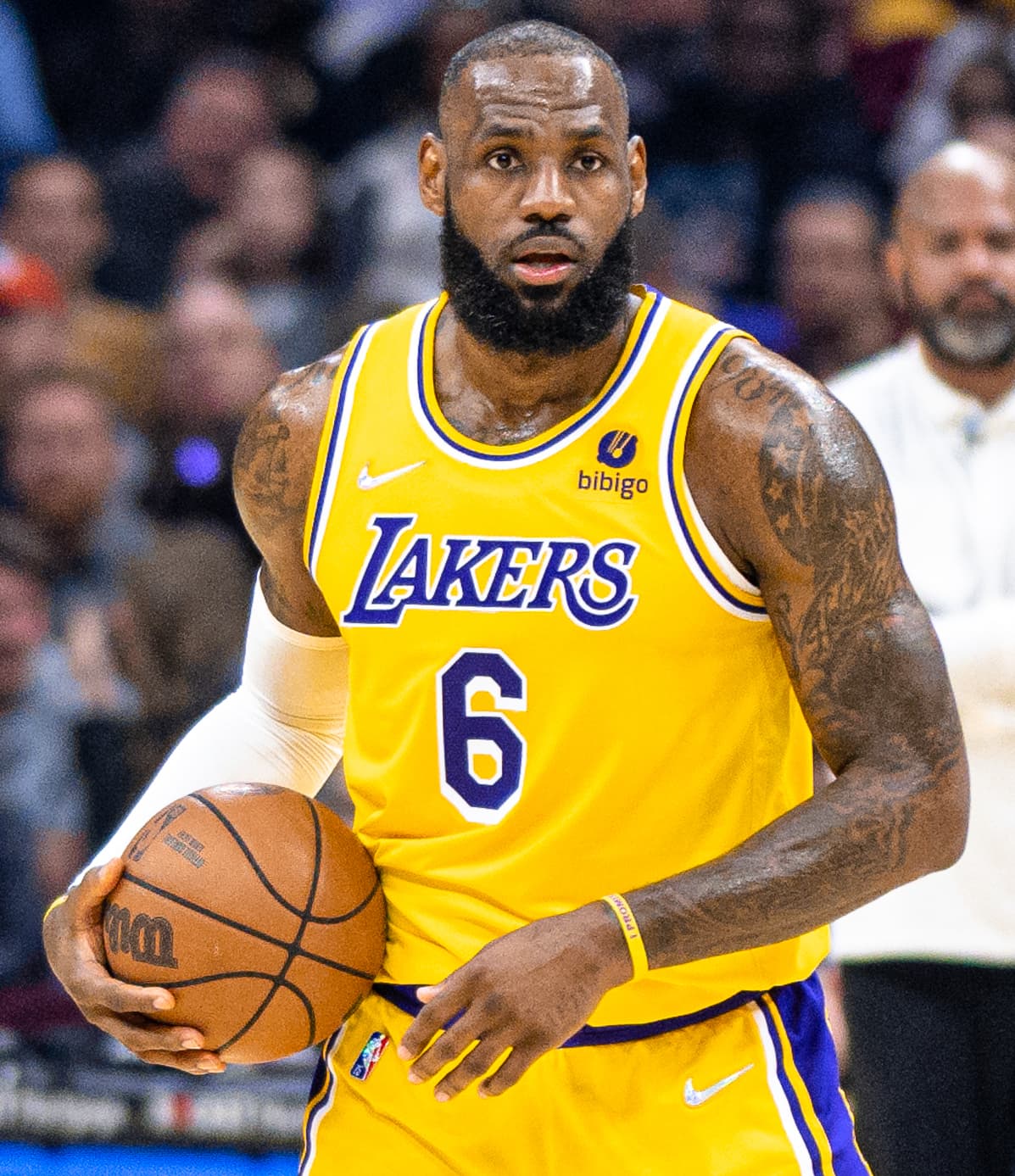
The basketball world constantly grapples with the unprecedented reality of LeBron James in his 23rd NBA season, a feat that continues to redefine athletic boundaries. JJ Redick, who has known James for 26 years and watched his entire professional career, recently articulated the collective awe, stating, “I've known him now 26 years. I've watched him play for 26 years.” This sentiment encapsulates the unique position James holds, not just as a player still performing at an All-Star level, but as a living legend stretching the limits of what a professional athlete can achieve, captivating audiences and driving significant revenue for the Los Angeles Lakers franchise.
His on-court production in this twilight stage of his career remains nothing short of astonishing. This season, James averages 25.4 points, 7.3 rebounds, and 8.1 assists per game, numbers that would be career-highs for many players in their prime, let alone a 39-year-old. He consistently demonstrates an unparalleled ability to control the pace of games, delivering clutch baskets and pinpoint assists that elevate his teammates. The sheer volume of his minutes, often exceeding 35 per game, highlights his continued physical dominance and strategic importance, making him the undisputed engine of the Lakers' offense and a critical defensive presence in key moments of contention.
The business implications of James's sustained excellence are monumental for the Lakers. His current two-year, $97.1 million contract extension, signed in August 2022, includes a player option for the 2024-25 season, which he exercised, signaling his commitment to the franchise. This deal, averaging nearly $48.5 million annually, anchors the Lakers' payroll but also provides immense returns through ticket sales, merchandise, and lucrative national television deals. His global brand appeal translates directly into increased viewership and sponsorship opportunities, making him one of the most valuable assets in professional sports and a cornerstone of the Lakers' estimated $6.4 billion valuation, a figure largely bolstered by his presence and championship pedigree.
LeBron James's continued performance fuels an ongoing debate about his place in basketball history, challenging conventional wisdom about aging curves and athletic decline. His ability to adapt his game, from an explosive slasher to a cerebral playmaker and increasingly effective three-point shooter, showcases a basketball IQ few have ever possessed. This sustained dominance forces every general manager in the league to re-evaluate their roster construction strategies, understanding that a single transcendent talent, even in his later years, can still dictate the competitive landscape and demand significant resources to either acquire or contend against. The gravitational pull of his presence still draws top-tier free agents, impacting player movement across the entire league.
The physical and mental fortitude required to maintain this level of play for over two decades is almost unfathomable. James invests millions annually in his body, employing a dedicated team of trainers, nutritionists, and recovery specialists to ensure peak physical condition. His meticulous approach to diet, sleep, and rehabilitation is a testament to his unwavering commitment to the game, setting a new benchmark for professional longevity. This relentless pursuit of excellence, coupled with the mental grind of constant scrutiny and the pressure to perform, underscores a unique blend of discipline and passion that few athletes in any sport have ever truly mastered.
For the Lakers, James's presence creates both opportunity and immense pressure. The franchise operates with an imperative to maximize his remaining elite years, assembling a championship-caliber roster around him. This necessitates aggressive moves in free agency and the trade market, often involving high-stakes decisions regarding draft capital and cap space. General Manager Rob Pelinka faces the daunting task of balancing short-term contention with long-term sustainability, knowing that every move is amplified by the presence of a player who demands nothing less than a shot at the title. The pursuit of an 18th NBA championship remains the singular focus, driven by the window James keeps open.
The future outlook for LeBron James remains a captivating storyline for the NBA. While speculation about his retirement or a potential move to play with his son, Bronny James, continues to swirl, his current play suggests he still has more to give. Each game now serves as a potential milestone, further cementing his legacy as one of the greatest, if not the greatest, players of all time. The league will undoubtedly experience a seismic shift when he eventually steps away, leaving a void that will be impossible to fill, both on the court and in the global sports marketplace.
Here's the Gokhshtein take: LeBron James isn't just defying Father Time; he is actively renegotiating the entire concept of athletic prime, delivering unparalleled value to the Lakers and reshaping the financial calculus of superstar contracts. Any executive who fails to recognize the immense, tangible return on investment from a player of his caliber, even at this advanced stage, simply misunderstands the business of elite sports.


