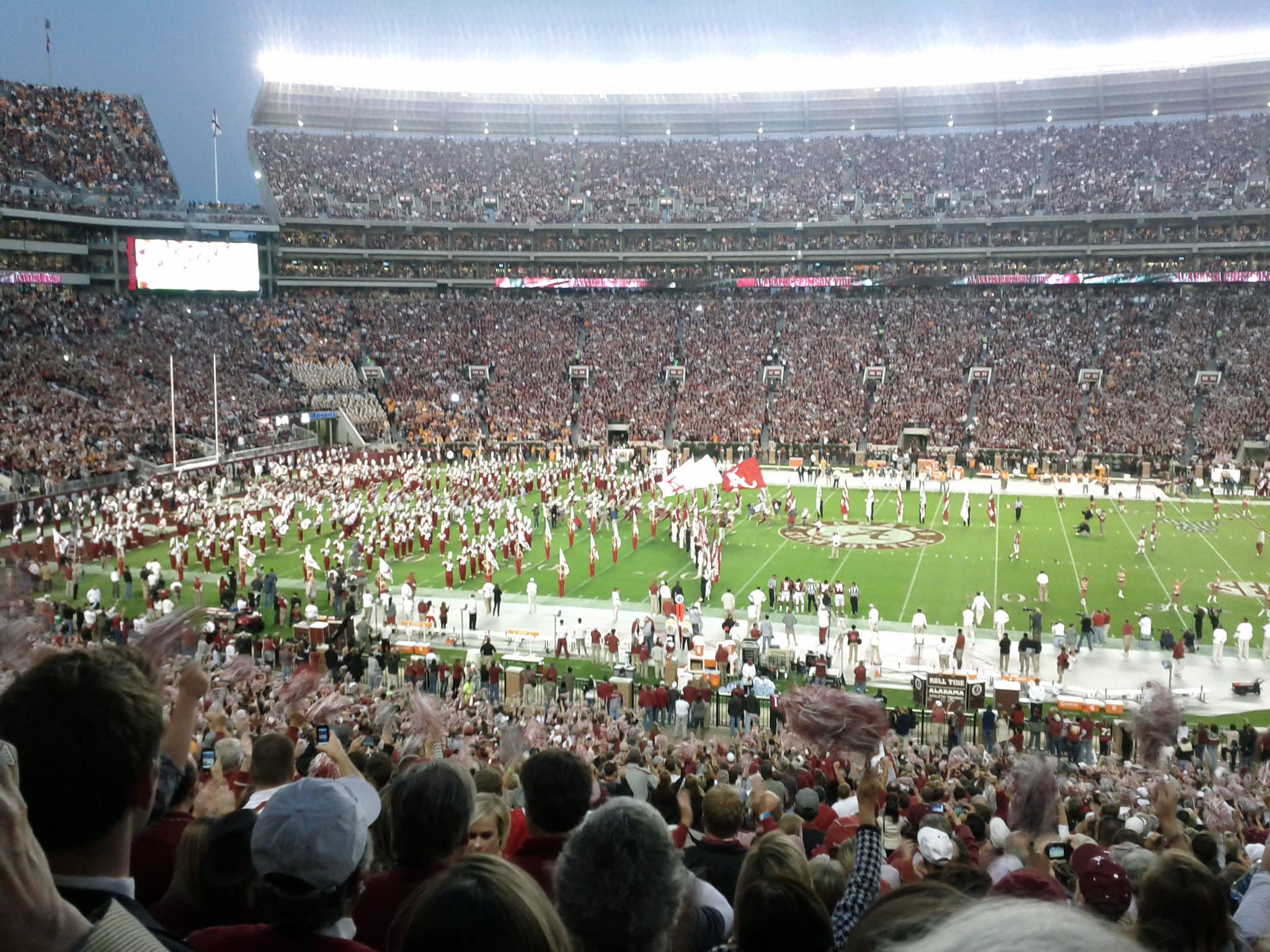
Alabama has officially locked down head coach Kalen DeBoer with a new seven-year contract, reportedly valued at an astounding $70 million, averaging $10 million annually. This massive commitment comes less than a year after DeBoer took the reins from legendary coach Nick Saban, underscoring the university's urgency and willingness to invest heavily in its football program's future. The deal ensures DeBoer remains at the helm through the 2032 season, a clear message to the college football world that the Crimson Tide intends to maintain its perch atop the sport with substantial financial backing. This move was not merely a formality; it was a strategic declaration, solidifying the foundation for a new era in Tuscaloosa.
From a pure business perspective, Alabama is the unequivocal winner here, securing a coach with a proven track record of success at every stop, including a National Championship appearance at Washington. DeBoer, too, wins big, landing a generational contract that places him among the highest-paid coaches in the sport, a testament to his immediate impact and the perceived value he brings to the program. The university acted swiftly to prevent any potential poaching from other power conference programs, eliminating any lingering uncertainty about DeBoer's long-term commitment. This aggressive financial play removes any doubt about Alabama's dedication to its football program, ensuring stability and a clear direction for years to come.
The financial specifics of DeBoer's new agreement are staggering, with his base salary and incentives pushing his average annual compensation into the eight-figure range. The contract likely includes significant performance bonuses for achievements such as SEC Championship victories, College Football Playoff appearances, and National Championship wins, aligning DeBoer's financial interests directly with the program's success. Crucially, the deal will feature a substantial buyout clause, making it extraordinarily expensive for DeBoer to leave for another program or for Alabama to part ways with him without cause, thus providing robust protection for both parties. This $70 million investment places DeBoer in the same financial echelon as coaching giants like Georgia's Kirby Smart, who commands north of $10 million per year, and Clemson's Dabo Swinney, demonstrating Alabama's commitment to competitive compensation.
The implications for Alabama's roster and future recruiting efforts are profound, as this long-term deal signals stability and confidence to prospective players. High school recruits and potential transfer portal targets now see a clear, consistent vision for the Crimson Tide under a coach who is firmly entrenched, a stark contrast to the immediate post-Saban uncertainty. The contract also empowers DeBoer to build and retain an elite coaching staff, offering competitive salaries and long-term security to his assistants, which is paramount in today's cutthroat college football landscape. This move ensures that Alabama can continue to attract top talent both on the field and on the sidelines, critical for sustained championship contention.
This kind of blockbuster coaching contract is not without precedent in college football, though the immediate timing of DeBoer's extension is remarkable. We have seen similar mega-deals for coaches like Jimbo Fisher at Texas A&M, who signed a ten-year, $75 million contract in 2017, and Lincoln Riley at USC, who received a reported ten-year, $110 million deal in 2021. While some of these high-stakes investments have yielded mixed results, they consistently underscore the escalating financial arms race in college athletics, particularly in football. Alabama's decision reflects a clear understanding that securing a top-tier coach requires a financial commitment commensurate with the immense revenue and prestige a successful football program generates.
The ripple effects of this deal will undoubtedly reverberate across the Southeastern Conference and the broader college football landscape, intensifying an already ferocious competition. This move sends a clear message to rivals like Georgia, LSU, Texas, and Oklahoma: Alabama is not in a rebuilding phase; it is re-establishing its dominance with serious financial and institutional backing. The extension raises the bar for coaching salaries even further, potentially forcing other programs to re-evaluate their own compensation structures to retain or attract top coaching talent. It solidifies the SEC's position as the financial behemoth of college football, where the stakes are higher and the investments are larger than anywhere else in the nation.
Looking ahead, the pressure on DeBoer is immense, as he now carries the weight of a $70 million contract and the expectation to replicate Saban's unprecedented success. His immediate challenge involves navigating the newly expanded 12-team College Football Playoff and the tougher SEC schedule, with the expectation of competing for an SEC Championship and a National Title within the next two seasons. The contract provides the stability needed to recruit and develop talent, but ultimately, championships are the currency of Tuscaloosa. The rest of this offseason and the upcoming 2026 season will be a critical test for DeBoer to prove that Alabama's massive investment was not just a gamble, but a calculated move towards continued greatness.
Here’s the Gokhshtein take: This isn't just about Kalen DeBoer getting paid; it's Alabama doubling down on its identity as the premier college football program in the country, signaling to every other blue blood that they will spend whatever it takes to stay on top. The moment Saban retired, the clock started ticking on how quickly Alabama would commit long-term to his successor, and they delivered a resounding statement. This isn't just a contract; it's a declaration of war in the college football arms race, and Alabama just showed everyone they have the deepest pockets and the biggest ambition. Pay the man, keep the dynasty rolling — that's the Alabama way, and it just got a $70 million exclamation point.


