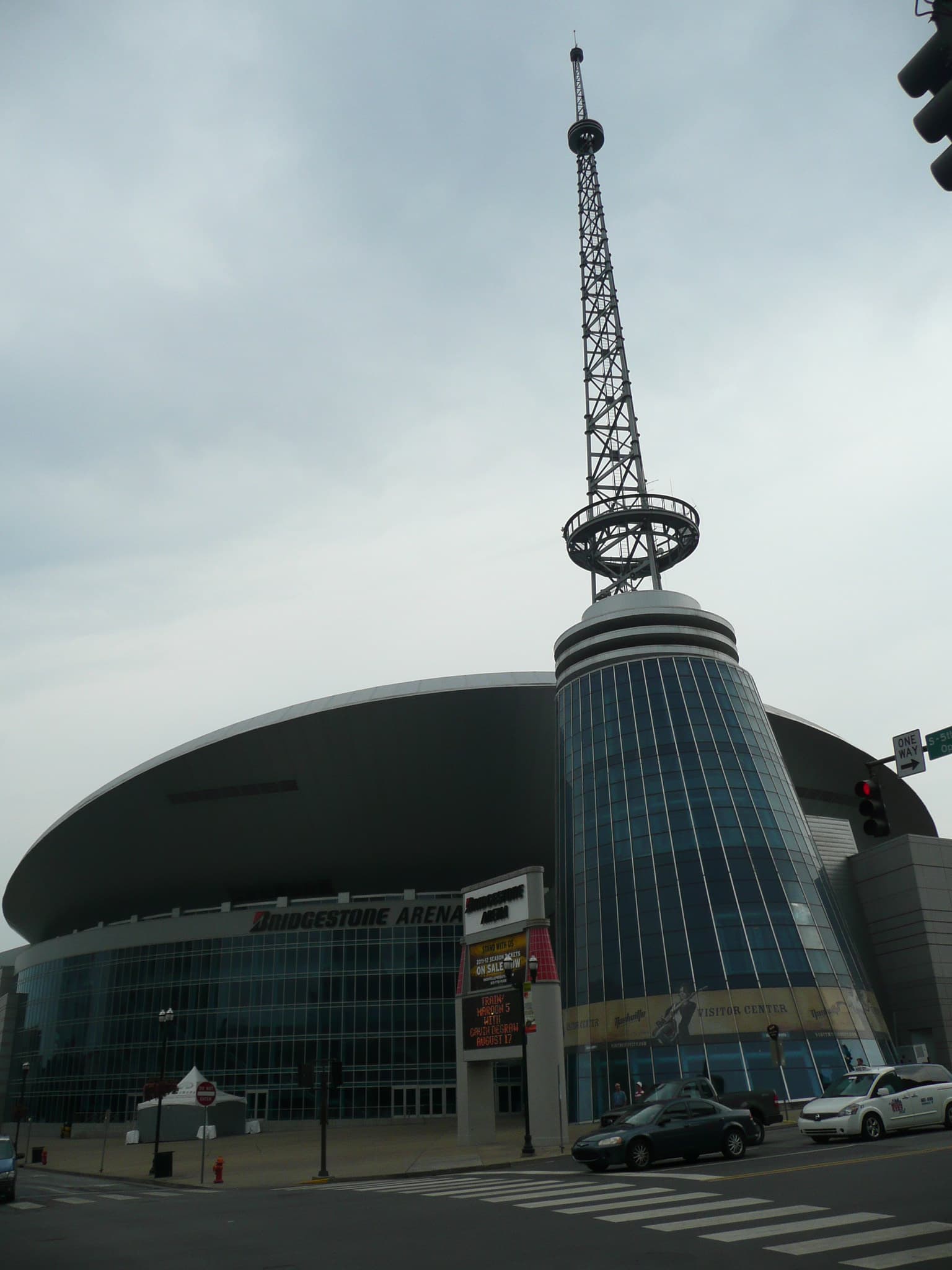
The Nashville Predators have officially commenced construction on a monumental $650 million renovation of Bridgestone Arena, a move that signals a profound commitment to the franchise's future in Music City. This isn't merely an upgrade; it's a strategic declaration that the Predators are here to stay, and they are prepared to invest heavily to maintain their competitive edge both on and off the ice. The ambitious project is financed through a clever combination of future ticket sales and sales tax revenue generated directly within the arena, a model designed to minimize the burden on public coffers while maximizing the long-term benefits for the team and the city. This financial engineering showcases a clear understanding of modern sports economics.
This renovation is a colossal win, not just for the Predators organization but for the entire city of Nashville. In today's cutthroat sports landscape, a state-of-the-art facility is no longer a luxury but a necessity for attracting top talent, hosting marquee events, and cultivating a passionate, engaged fan base. The Predators are cementing their place as a cornerstone of Nashville's vibrant downtown economy, ensuring that Bridgestone Arena remains a premier destination for entertainment, hockey games, and major concerts for decades to come. This investment secures the franchise's long-term viability and sends a powerful message across the league about Nashville's status as a top-tier sports market.
The $650 million price tag is substantial, but the financing structure demonstrates shrewd business acumen. By leveraging future ticket sales and sales tax revenue generated within the arena, the Predators and the city have forged a partnership that aligns incentives perfectly. Every dollar spent by fans inside Bridgestone Arena — whether on tickets, concessions, or merchandise — contributes directly to the renovation's funding. This self-sustaining model is an intelligent way to fund major infrastructure projects, insulating general taxpayers from direct capital outlays while still reaping the economic benefits of a world-class venue. This approach strengthens the Predators' financial health, indirectly enhancing their ability to compete for top players by ensuring robust revenue streams and a modern operational base.
Beyond the raw numbers, this renovation promises a revolutionary transformation of the fan experience. The plans likely include significant enhancements to premium seating, concourse areas, and hospitality options, alongside cutting-edge technology integration throughout the venue. For players, an upgraded facility means improved training areas, locker rooms, and overall player amenities, which are critical factors in recruiting and retaining elite athletes in the NHL. Top-tier players want to be part of organizations that demonstrate a commitment to excellence at every level, and a modern arena is a tangible representation of that commitment. A revitalized home-ice atmosphere also translates into a more formidable advantage for the team on the ice.
The Predators' investment is part of a broader trend across professional sports, an ongoing arena arms race where franchises understand the imperative of modernizing their homes. Look at the NHL's Climate Pledge Arena for the Seattle Kraken or UBS Arena for the New York Islanders — these new builds and extensive renovations set a high bar for fan experience and revenue generation. In the NFL, MLB, and NBA, teams are constantly evaluating and executing massive stadium and arena projects, recognizing that these facilities are massive revenue engines and critical assets. This $650 million move by Nashville is not an outlier; it is the cost of doing business and staying competitive in the increasingly lucrative world of professional sports.
This renovation also significantly elevates Nashville's standing as a premier sports and entertainment destination on the national and international stage. With a state-of-the-art Bridgestone Arena, the city becomes an even more attractive candidate to host major events, from the NHL All-Star Game and Stanley Cup Finals to NCAA tournaments and blockbuster concert tours. Nashville has long been recognized for its vibrant music scene, but this investment reinforces its growing reputation as a major league city in every sense. The Predators are not just building a better arena; they are contributing to the broader narrative of Nashville as a dynamic, rapidly expanding urban center that can compete with any major market in the United States.
The road ahead involves navigating the complexities of a multi-year construction project while minimizing disruption to the team's schedule and fan experience. Fans can anticipate a phased approach to the upgrades, with visible improvements emerging over time, culminating in a fully transformed venue that sets new standards. This renovation seamlessly integrates with the ongoing development of downtown Nashville, creating a synergistic effect where the arena acts as an anchor for further economic growth and urban revitalization. The vision extends beyond hockey, encompassing a comprehensive entertainment district that benefits residents and visitors alike.
Gokhshtein's take is clear: the $650 million Bridgestone Arena renovation is a bold, necessary, and ultimately brilliant move by the Nashville Predators. This isn't just about new seats or bigger screens; it's about securing the long-term financial health and competitive future of the franchise. It’s a testament to the power of smart financing, a boon for Nashville’s economy, and a commitment to delivering an unparalleled experience for the fans who drive the entire enterprise. In an era where sports franchises are valued in the billions, investing in the core asset — the arena — is the smartest play an ownership group can make. This deal is a slam dunk for the Predators and for the city they call home.


