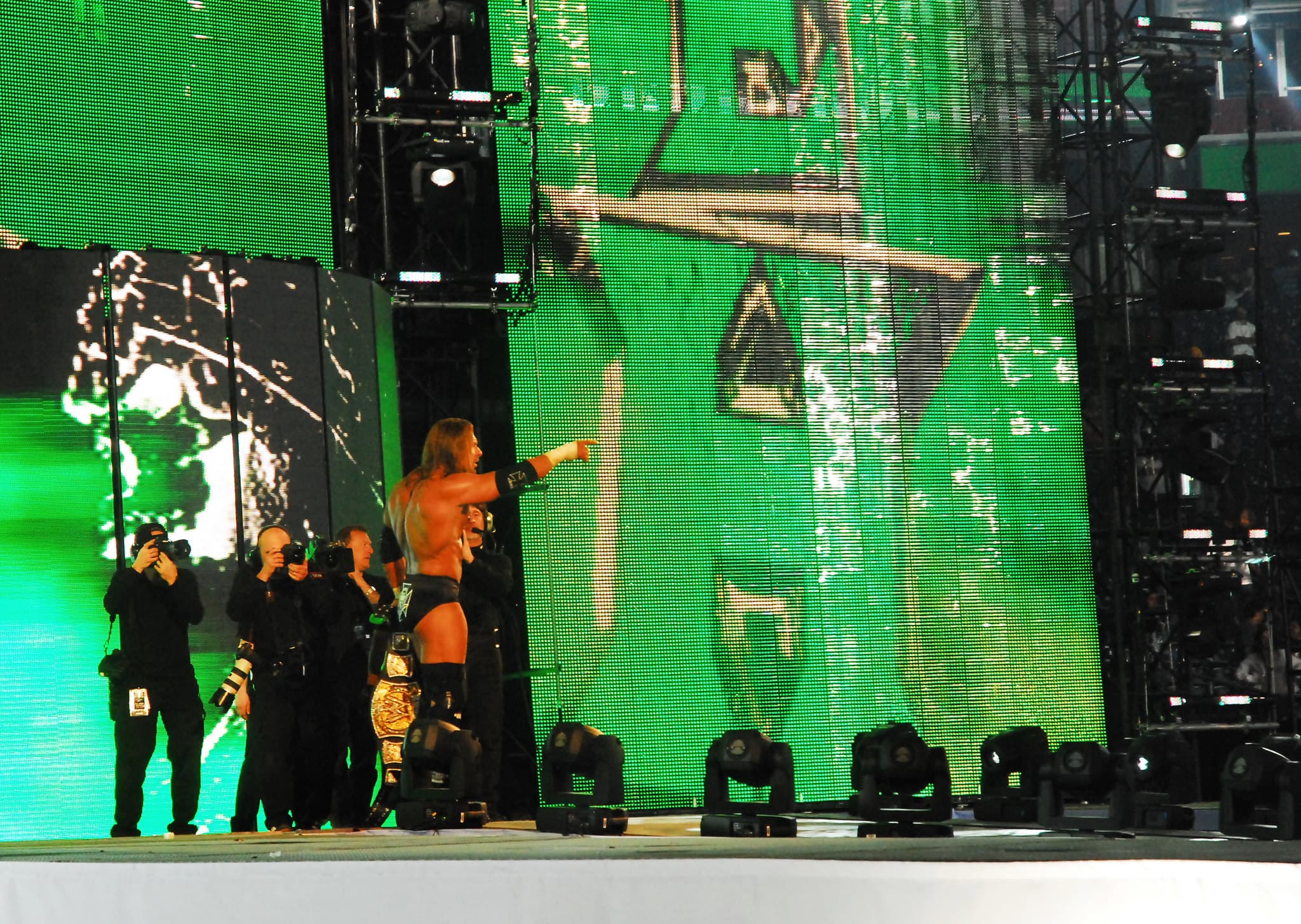
WrestleMania 42 descends upon Las Vegas this weekend, promising two nights of unparalleled sports entertainment with eight championship titles hanging in the balance. This is not merely a wrestling show; it stands as a cornerstone event for TKO Group Holdings, the publicly traded entity encompassing WWE and UFC, representing a critical juncture for its valuation and global market reach. Hosted at Allegiant Stadium, the spectacle is projected to draw unprecedented live gates and bolster the company’s direct-to-consumer streaming subscriptions, underscoring its pivotal role in TKO's overarching financial strategy and brand dominance in the competitive entertainment landscape.
The main event picture across both nights is stacked with high-stakes contests that have captivated audiences for months. The Universal Championship bout, featuring the dominant Roman Reigns defending his historic 1,300-day reign against the determined Cody Rhodes, serves as the emotional anchor, carrying the weight of a multi-year narrative arc. Meanwhile, the WWE Championship clash pits the reigning champion Seth Rollins against a fresh challenger, creating an unpredictable scenario for one of the company's most prestigious prizes. The Women's World Championship will see Rhea Ripley in a fierce battle, while Bianca Belair defends her WWE Women's Championship, showcasing the depth of talent and the escalating importance of women's wrestling within the industry.
From a business perspective, WrestleMania 42 represents a multi-million dollar revenue generator for TKO. The live gate alone is anticipated to exceed $25 million, a testament to the event's drawing power and the premium pricing for tickets in a major market like Las Vegas. Beyond ticket sales, merchandise revenue from a global fanbase, increased subscriptions to the WWE Network on Peacock in the United States and the international WWE Network platform, and lucrative media rights deals are all significantly impacted by the success and buzz surrounding WrestleMania. This event directly influences investor confidence in TKO's ability to consistently deliver high-value content and expand its global footprint, affirming its position as a powerhouse in live sports and entertainment.
Individual wrestler performances at WrestleMania are not just about winning titles; they are about cementing legacies and driving future marketability. Cody Rhodes' quest to "finish the story" resonates deeply with fans, and a victory would not only fulfill a personal dream but also elevate his brand significantly, translating into increased merchandise sales and drawing power for future events. Similarly, a strong showing from a champion like Roman Reigns, regardless of the outcome, reinforces his status as a top-tier attraction, ensuring continued engagement from a loyal fanbase. The ability of these stars to connect with the audience directly impacts TKO's bottom line through ticket sales, sponsorships, and media appearances, making their individual trajectories critical business assets.
The challenge presented by the opposition is what truly defines WrestleMania's drama. Rhodes, as the challenger, carries the weight of fan expectation and a narrative built on redemption, making him a credible threat to Reigns' historic run. On the women's side, challengers to Rhea Ripley and Bianca Belair bring distinct styles and fan bases, ensuring that these championship matches are not foregone conclusions. The creative team's ability to build compelling narratives around these challengers is paramount, as it ensures that every championship match feels significant and creates genuine suspense for the audience, regardless of whether they are physically present or watching from afar.
While no major injuries are publicly known to be sidelining top-tier talent for these specific championship matches, the overall health and availability of the roster remains a constant factor in WWE's planning. The depth of talent allows for contingencies, but the absence of a marquee star due to injury can significantly alter projected viewership and live attendance figures for any major event. The careful management of talent schedules and the strategic use of part-time legends, such as The Rock, for non-title matches or special appearances, ensures that the overall spectacle remains grand, mitigating potential impacts from an unforeseen roster change.
Looking beyond WrestleMania 42, the outcome of these eight championship matches will inevitably shape the landscape of WWE programming for the next several months. New champions will emerge, new rivalries will ignite, and existing feuds will either culminate or evolve into more intense confrontations. The company's post-WrestleMania strategy focuses on leveraging the momentum from this flagship event to launch new storylines, introduce fresh talent, and expand into new markets, ensuring continuous fan engagement and sustained growth for TKO Group Holdings. The strategic booking decisions made this weekend will dictate the narrative direction for the entire year, influencing everything from television ratings to international expansion efforts.
Gokhshtein's Take: This WrestleMania is more than just a battle for gold; it is a masterclass in brand management and strategic financial positioning for TKO. While the emotional investment in Cody Rhodes' story or the sheer dominance of Roman Reigns drives fan engagement, the true value lies in WWE's unparalleled ability to consistently create global intellectual property and cultivate a roster of marketable stars. The company's stock price and future revenue streams hinge not just on who holds the titles, but on the enduring power of these characters and storylines to captivate a worldwide audience, making WrestleMania 42 a critical investment in TKO's billion-dollar future.


