The Champions League quarterfinals have solidified a new pecking order in European football, with Bayern Munich and Paris Saint-Germain emerging as formidable contenders for the coveted trophy. Both clubs displayed ruthless efficiency and undeniable quality in their respective ties, signaling their intent to lift the trophy in Wembley. Meanwhile, Arsenal, despite navigating their way to the semi-finals, has left a trail of doubt, showcasing moments of brilliance but also concerning vulnerabilities that question their true championship credentials in this elite competition.
Bayern Munich delivered a masterclass in their 6-2 aggregate dismantling of Manchester United, a performance that highlighted their clinical edge and tactical superiority. Striker Harry Kane was the undisputed architect of their success, netting five goals across the two legs, including a hat-trick in the 4-1 home victory. His partnership with Jamal Musiala, who provided two assists and controlled the midfield tempo, demonstrated Bayern's multifaceted attack. The German champions played with a swagger and defensive solidity that simply overwhelmed their English counterparts, confirming their status as a top-tier European force.
Paris Saint-Germain, under the tactical guidance of Luis Enrique, also asserted their dominance with a commanding 5-1 aggregate victory over Real Madrid, a tie many expected to be far tighter. Kylian Mbappé was electrifying, scoring three goals and assisting another, proving once again why he is considered one of the world's most dangerous forwards. Ousmane Dembélé’s creativity on the flanks consistently carved open the Spanish defense, while Vitinha's control in midfield stifled Real Madrid's counter-attacks. PSG’s comprehensive performance suggests they have finally found the team cohesion and ruthless mentality needed for a deep Champions League run, a stark contrast to past seasons.
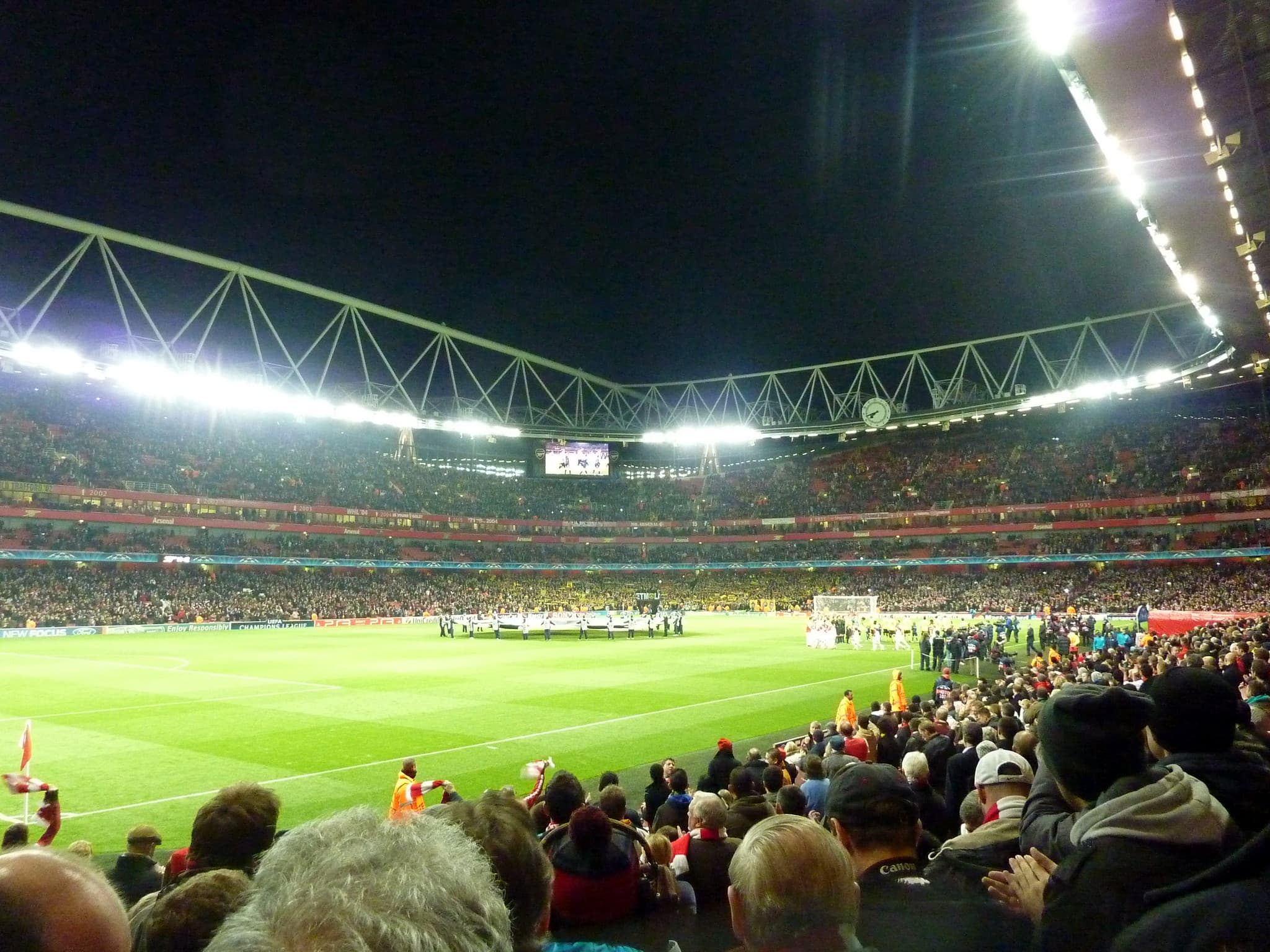
Arsenal’s journey to the semi-finals, however, felt more like a narrow escape than a statement of intent. Their 3-2 aggregate win against Borussia Dortmund was fraught with tension, decided by a late penalty in the second leg. While Bukayo Saka showed flashes of his individual brilliance, scoring two goals, the team struggled to maintain control, particularly in midfield, and exhibited defensive lapses that allowed Dortmund to remain in the tie. This performance raised serious questions about their ability to consistently dominate against Europe's elite, suggesting they might be punching above their weight in the latter stages of the competition.
The tactical approaches of the leading contenders further underscore their positions. Thomas Tuchel's pragmatic yet devastatingly effective system at Bayern ensures maximum output from his star players while maintaining defensive integrity. Luis Enrique’s aggressive, possession-based philosophy at PSG, once criticized for inconsistency, now appears to be fully embraced by his squad, unlocking their immense attacking potential. In contrast, Mikel Arteta’s Arsenal, while organized and spirited, sometimes lacks the tactical flexibility and big-game experience to truly dictate terms against seasoned European giants, often relying on individual moments rather than sustained team dominance.
The financial implications of a deep Champions League run are immense, directly impacting club valuations and player contract negotiations. Reaching the final alone can inject an additional €15 million in prize money into a club's coffers, significantly bolstering future transfer budgets and enhancing financial fair play compliance. For clubs like PSG and Bayern, who consistently reach the latter stages, this revenue stream is crucial for retaining and attracting top talent. A player like Mbappé, seeing PSG consistently compete for the biggest honors and benefit from increased financial stability, gains significant leverage in contract discussions, potentially commanding an even higher salary or a more lucrative signing bonus in future deals. Similarly, Arsenal’s semi-final appearance, while financially rewarding, highlights the critical difference in revenue generated by winning the entire competition versus simply participating, directly affecting their long-term competitive spending power.
Looking ahead, the semi-final matchups promise enthralling contests. A hypothetical clash between Bayern Munich and Paris Saint-Germain would be a true heavyweight battle, testing both teams' tactical mettle and individual brilliance. An Arsenal versus Manchester City tie, on the other hand, would pit two Premier League rivals against each other, with City's proven European pedigree likely to expose any lingering weaknesses in Arsenal's armor. These upcoming games will not only decide who advances to Wembley but also provide a definitive answer to which club truly possesses the championship DNA this season.
My take is clear: this is Bayern Munich’s or Paris Saint-Germain’s trophy to lose. Arsenal, despite their admirable fight, simply does not possess the consistent ruthlessness, tactical depth, or mental fortitude required to overcome either of these juggernauts. Their Champions League journey, while a significant step for the club, will likely end in the semi-finals. The gap between doing just enough and being truly dominant is vast, and in the Champions League, only true dominance wins the ultimate prize.


