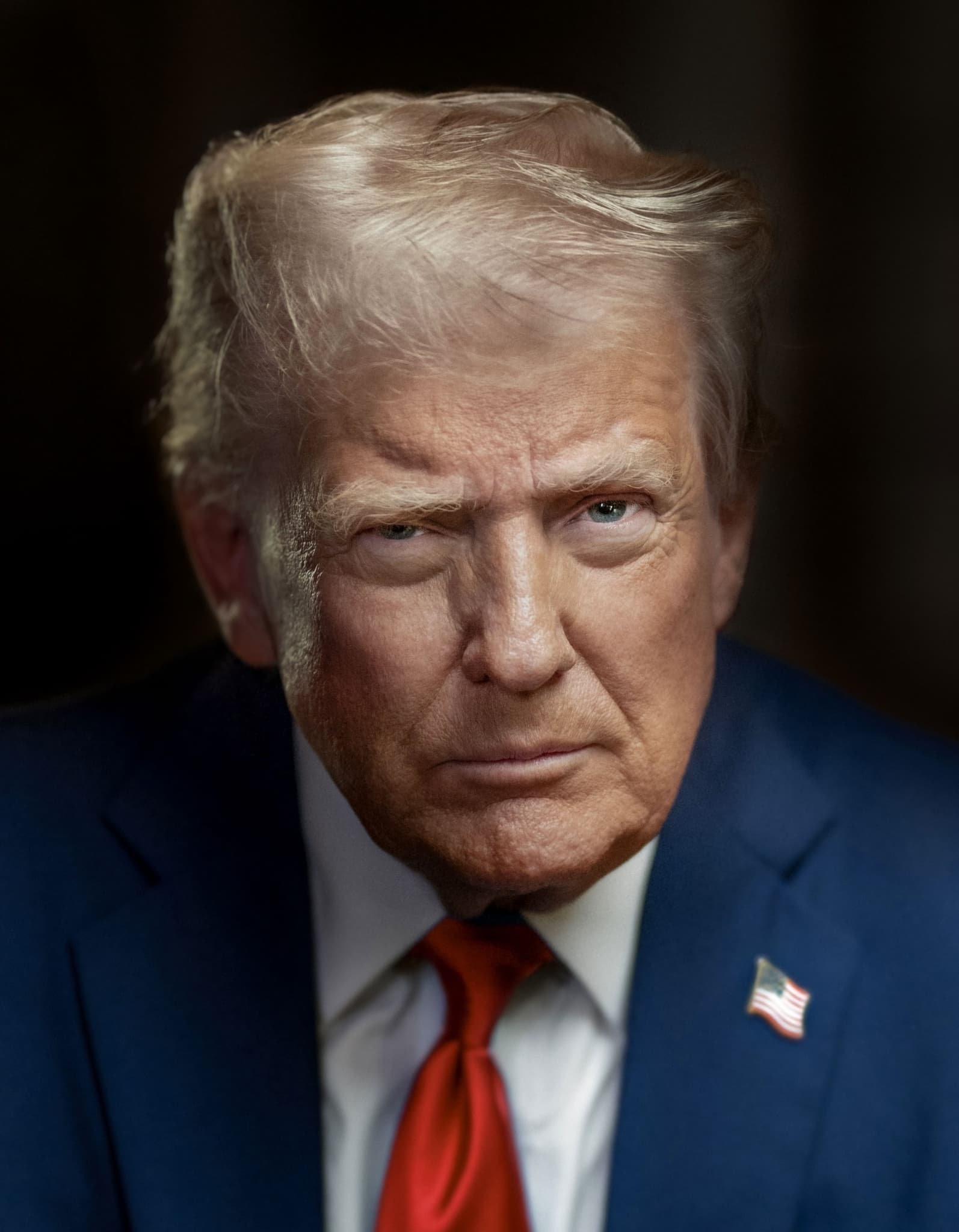
President Donald Trump just delivered a bombshell directly into the heart of college athletics, signing an executive order aimed squarely at regulating the chaotic landscape of transfers and player eligibility. This isn't just a subtle nudge from Capitol Hill; it's a direct intervention from the White House, signaling a clear intent to reshape the very foundations of an industry now generating billions in revenue that demands federal oversight. The order, as reported by CBSSports, targets the free-for-all nature of the transfer portal, seeking to impose a level of control that the NCAA has largely failed to achieve, despite the monumental financial stakes involved for every major athletic program in the country. This move will send shockwaves from the Power Five conferences down to every Division I institution, forcing a re-evaluation of roster construction and player acquisition strategies.
Make no mistake, there are clear winners and losers emerging from this executive decree. The biggest winners are likely the traditionalists and schools that prioritize player development over quick-fix talent acquisition, potentially regaining some stability against the constant roster churn. Smaller programs, often raided for their top talent, might also find a modicum of relief, as the incentive for players to jump ship for a bigger NIL deal or a more prominent stage could diminish. However, the immediate losers are undoubtedly the players who have leveraged the transfer portal for maximum personal gain, along with the agents and boosters who have thrived in this increasingly unregulated market. The NCAA itself, as an institution, also takes a hit, as its inability to effectively govern its own domain has now invited direct federal intervention, further eroding its already fractured authority.
This executive order isn't just about athletic competition; it's a direct assault on the financial dynamics of Name, Image, and Likeness (NIL) deals, which have rapidly become multi-million dollar enterprises. Limiting transfer flexibility inherently impacts a player's market value, potentially concentrating power back into the hands of institutions and reducing the bidding wars that have driven up NIL compensation. Consider the economic ripple effect: schools that have aggressively built rosters through the portal, effectively running a free-agency model, will face significant strategic challenges and potentially financial re-calibration. While the order doesn't ban NIL, it aims to curb the use of NIL as an inducement for transfers, a practice that has blurred the lines between amateurism and professional contracts, potentially stabilizing player valuations across the board and shifting focus back to on-field performance rather than off-field financial incentives.
The implications for roster construction and team strategy are profound. Programs like USC, Texas, and Ohio State, who have become masters of the transfer portal, will need to fundamentally re-evaluate their recruiting philosophies, potentially pivoting back towards greater emphasis on high school recruiting and long-term player development. This order could favor programs with robust internal development pipelines and strong coaching stability, fostering a more cohesive team identity rather than a collection of transient talent. It demands a shift in how coaches build and maintain their rosters, moving away from a transactional model towards one that prioritizes loyalty and player growth within a single system, fundamentally altering the competitive landscape for years to come and forcing every athletic director to rethink their entire talent acquisition playbook.
While direct federal intervention in college sports to this degree is unprecedented, the history of government involvement in athletics is not. We've seen landmark legal challenges like O'Bannon v. NCAA and Alston v. NCAA chip away at amateurism, forcing the NCAA's hand on player compensation. We've also witnessed federal oversight in areas like Title IX, which reshaped gender equality in sports. However, this executive order marks a new chapter, a direct assertion of presidential authority into the operational specifics of college athletics, moving beyond judicial rulings or legislative proposals. It signifies a growing federal recognition that college sports, with its massive television contracts, endorsement deals, and public interest, operates more like a professional league than a strictly amateur endeavor, thus warranting a different level of scrutiny and regulation than ever before.
The reaction from the major conferences will be critical and highly scrutinized. Will the SEC, Big Ten, Big 12, and ACC rally together to challenge the order, or will they work to implement new rules that align with its directives? This executive order has the potential to dramatically alter the competitive balance within and across conferences, potentially disadvantaging programs that relied heavily on the transfer portal to quickly reload or fill gaps. Enforcement will be a key issue, and any perceived uneven application of the new rules could lead to further legal battles and accusations of unfair play. This isn't just about individual schools; it's about the entire ecosystem of college athletics grappling with an external force dictating fundamental operational parameters, forcing every commissioner to consider how this move impacts their conference's financial health and competitive standing.
Looking forward, legal challenges to this executive order are virtually guaranteed. Players, agents, and even some institutions who benefit from the current transfer rules will undoubtedly explore all avenues to contest its legality and implementation. The NCAA, caught between federal mandates and its own member institutions, will face immense pressure to either comply or mount its own defense, potentially leading to a prolonged period of uncertainty and litigation. The long-term implications for player development, the professional aspirations of athletes, and the very structure of NIL deals remain fluid, as this order is merely the opening salvo in what promises to be a protracted battle for the future of college sports. Every major stakeholder, from recruits to athletic directors, will be watching closely to see how this unfolds, knowing that the rules of engagement are now being rewritten.
My take? This executive order from President Trump is a heavy-handed, yet perhaps necessary, move to inject some semblance of order into what had become an utterly chaotic and financially exploitative system. While it ostensibly targets transfers, the real play here is about reining in the runaway train of NIL deals and the sheer power players and their handlers had accumulated. This isn't about restoring pure amateurism, because that ship sailed decades ago; it's about restoring a degree of institutional control over a multi-billion dollar enterprise where the players were starting to dictate the terms. The transfer portal became a market mechanism, and the White House just put a massive wrench in its gears, aiming to stabilize valuations and shift leverage back towards the schools. Whether it works or simply creates a new set of problems, one thing is clear: college sports just got a whole lot more complicated, and the money trail is about to get a lot more interesting.


