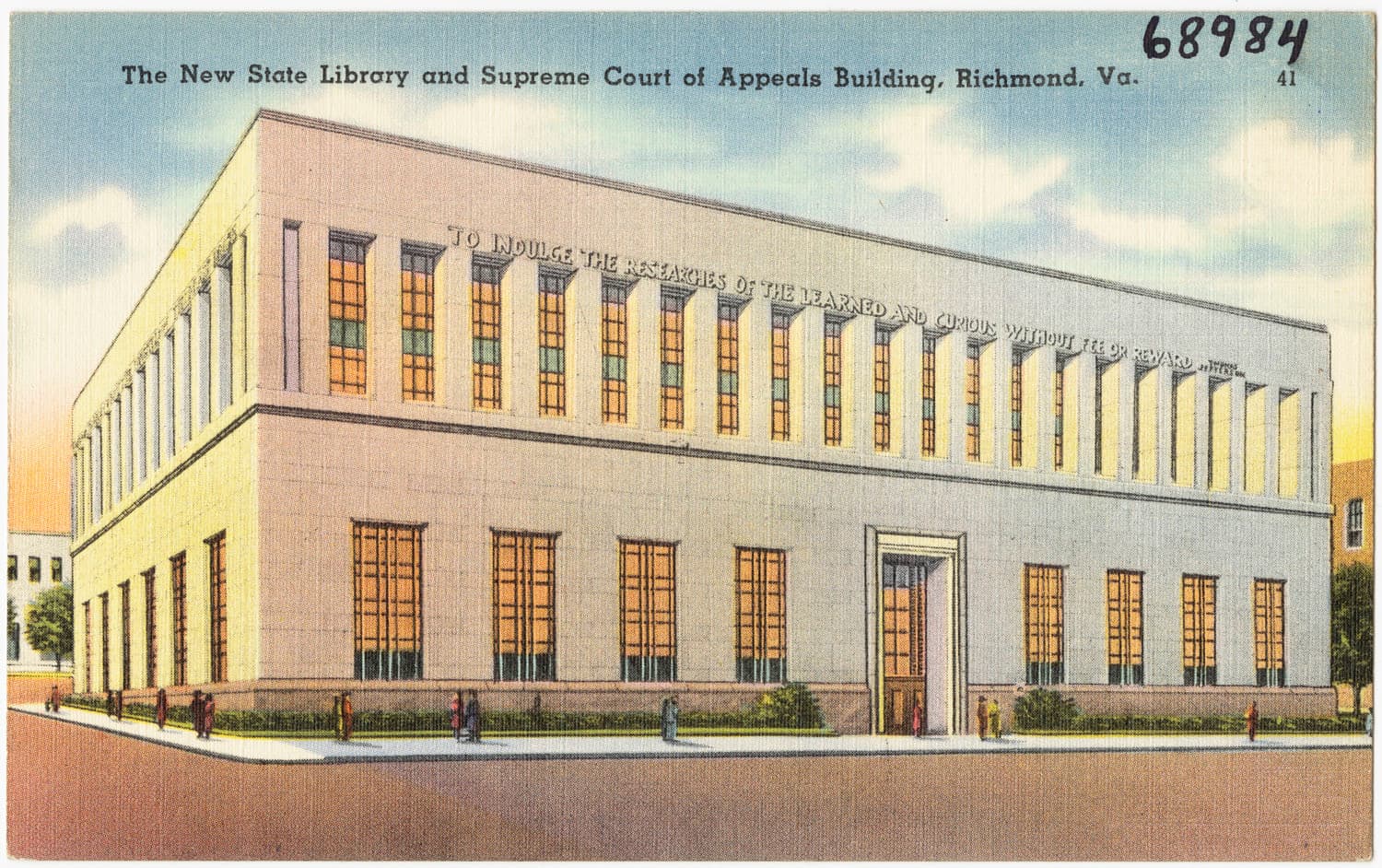
Virginia's Supreme Court struck down a newly adopted congressional map, altering the political landscape for the upcoming fall elections. The unanimous ruling immediately reinstates the previous district boundaries, effectively thwarting Democratic efforts to flip four Republican-held House seats. This decision impacts the narrow path to a potential majority in the U.S. House.
The rejected map had been approved by a special master in December following the state's bipartisan redistricting commission's failure to reach a consensus. Challengers, including several Republican voters, argued the new lines were drawn with unconstitutional partisan intent, despite the commission's stated goal of creating fair and competitive districts. The court's majority opinion found the map did not meet constitutional requirements for compactness and equal population distribution across districts.
This judicial intervention changes the competitive outlook for the U.S. House, where Republicans currently hold a slim majority. Democrats had targeted the four districts, believing the new boundaries would make them highly winnable contests. The return to older maps means these races will likely remain challenging for Democratic candidates, preserving the incumbent advantage and requiring campaign resources to shift.
Political analysts indicate the ruling could narrow the path for either party to secure a clear majority in the House, which is currently split 220 Republicans to 215 Democrats. With control of Congress often decided by a handful of seats, every district contest carries weight for national policy. The court's decision highlights the ongoing legal battles over redistricting nationwide, as states finalize their electoral boundaries ahead of the general election.
The Virginia State Board of Elections will now proceed with candidate filings based on the reinstated congressional map, impacting hundreds of potential candidates. The filing deadline for candidates remains set for June 11, with primary elections scheduled for Aug. 20. This timeline provides little room for further legal challenges to the boundaries before the general election cycle intensifies, forcing campaigns to adapt quickly.


