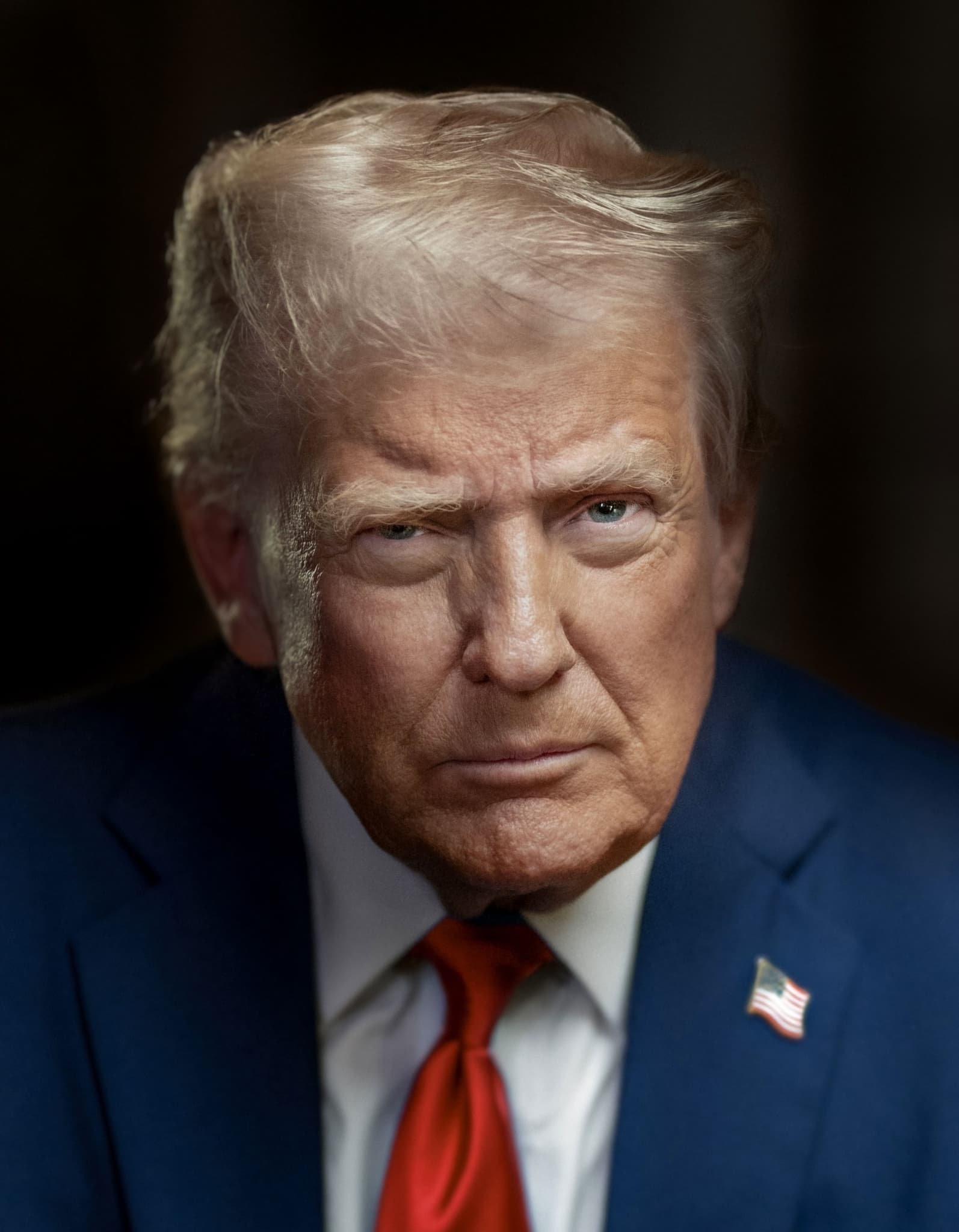
WASHINGTON — President Donald Trump said Saturday he expects to hear from Iran "very soon" regarding the latest U.S. peace proposal. This diplomatic development introduces geopolitical risk for U.S. equity markets, particularly for sectors sensitive to global stability.
Speaking to a French TV reporter, Trump said Iran still seeks a lasting deal, adding that Washington anticipates a letter from Tehran. The Nasdaq Composite currently trades at 26,247, up 1.7 percent today, showing resilience that could be tested by this news.
Geopolitical shifts in the Middle East directly impact crude oil futures, which affect the U.S. energy sector. A development could lead to increased volatility for integrated oil and gas companies. Investors should monitor major players like Exxon Mobil (XOM) and Chevron (CVX), as their revenue and profit margins are closely tied to global energy prices. Any perceived threat to oil supply routes could prompt a sharp upward movement in these stocks, while de-escalation might apply downward pressure.
Defense contractors also warrant attention during periods of heightened international uncertainty. Companies such as Lockheed Martin (LMT) and Raytheon Technologies (RTX) could see renewed investor interest, reflecting potential shifts in global defense spending or increased demand for military hardware. The S&P 500, currently at 7,399, may experience sector-specific rotations rather than a broad market decline unless the situation escalates dramatically.
The immediate market catalyst will be the content and tone of Iran's expected communication to Washington. Any details emerging from this diplomatic exchange will provide signals for assessing regional stability and its impact on commodity markets and related equity sectors.


