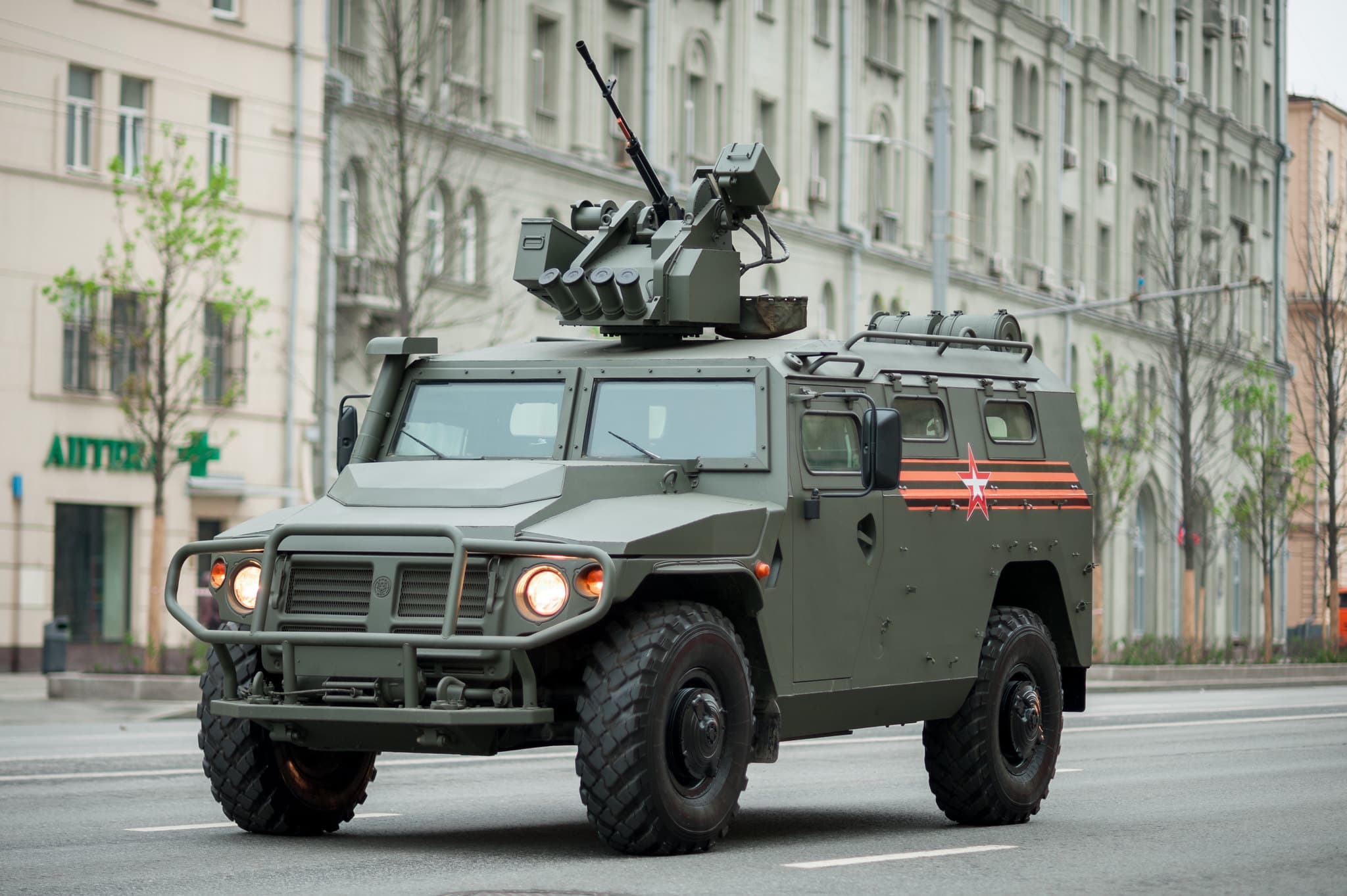
MOSCOW—President Vladimir Putin presided over a scaled-back Victory Day parade in Moscow, a clear indicator of Russia's prolonged military engagement in Ukraine. This year's event featured fewer armored vehicles and reduced troop presence compared to previous years, with only one tank—a T-34—rolling through Red Square. The traditional military flyover was also canceled for the second consecutive year, reflecting resource reallocation and heightened security concerns across the capital.
The diminished display reflected the heavy financial burden of the ongoing conflict, now in its third year. Western sanctions continue to constrain Russia's economy, limiting access to critical technologies and international markets. While robust energy revenues have provided some stability, the Kremlin has diverted substantial funds from social programs to military spending, impacting ordinary Russian citizens and provincial budgets. This shift prioritizes military contractors and state-owned defense enterprises, consolidating economic power within a narrow sector.
The parade served as a domestic message of resilience, but also highlighted Russia's increasing international isolation. European leaders and U.S. officials condemned the continued aggression in Ukraine, reiterating commitments to financial and military aid for Kyiv. The U.S. Congress recently approved a $61 billion aid package for Ukraine, signaling sustained Western support for the conflict. This aid package includes military hardware, directly impacting battlefield dynamics and increasing pressure on Russian forces.
Putin's address focused on national unity and defending Russian sovereignty, avoiding any direct mention of battlefield setbacks or the economic strain. The reduced spectacle aimed to project strength while managing public expectations about the war's cost and duration. Key figures within Russia's defense industry, which has seen increased state contracts and production demands, remain influential in shaping the Kremlin's strategic decisions and resource allocation. These powerful individuals benefit directly from the sustained conflict.
Concerns among Western intelligence agencies deepen over Russia's long-term military capabilities and its capacity to sustain the war effort. The Pentagon estimates Russia has sustained hundreds of thousands of casualties since Feb. 2022, straining its military manpower. European Union nations are also increasing their own defense spending, preparing for a prolonged period of geopolitical instability.
The G-7 group of nations is scheduled to meet in June to discuss further economic measures against Russia and strategies for supporting Ukraine's long-term recovery. These discussions will likely focus on tightening existing sanctions enforcement and exploring avenues for utilizing frozen Russian assets to fund Ukrainian reconstruction efforts.


