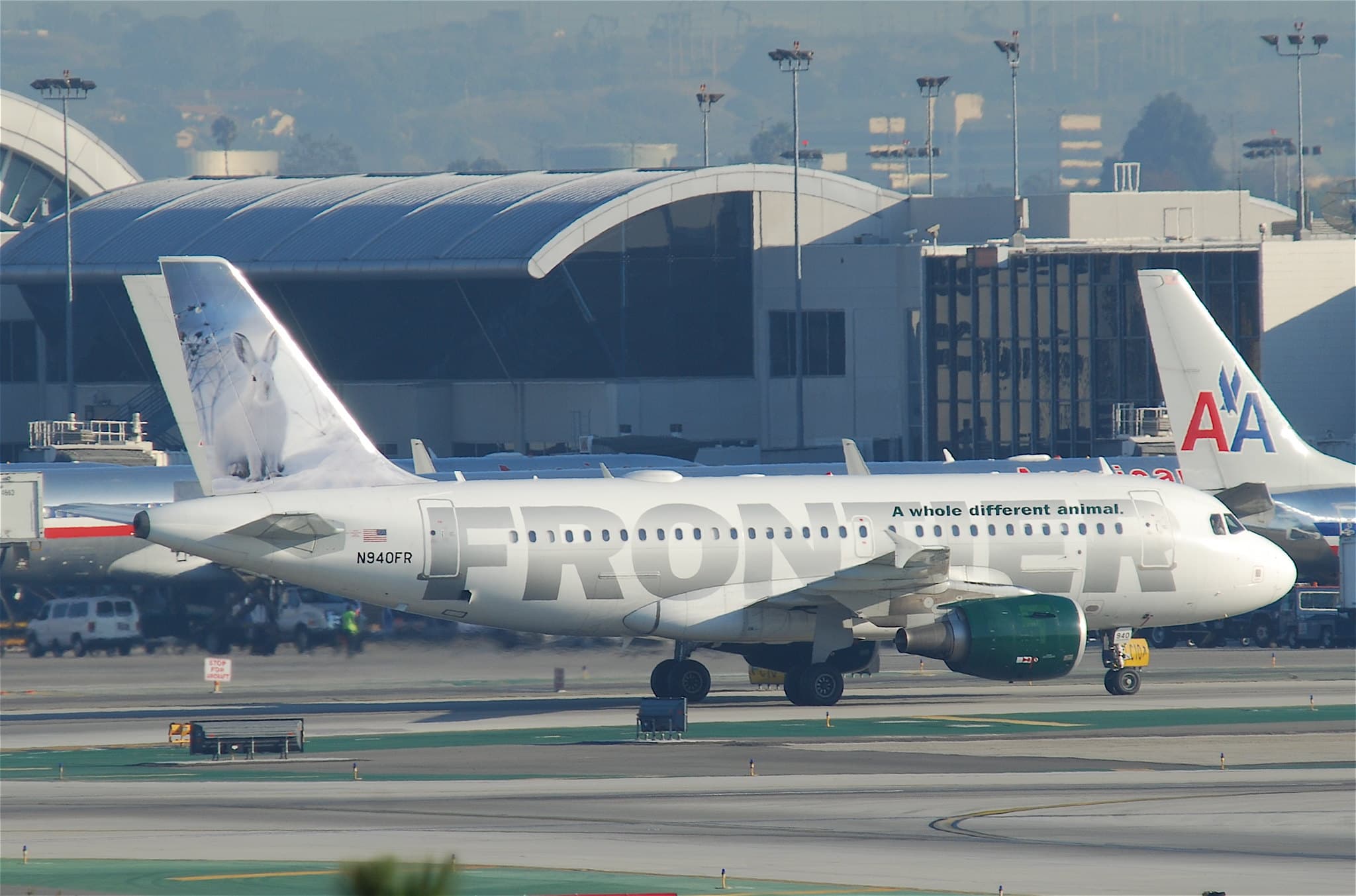
A Frontier Airlines plane struck a trespasser during takeoff from a major U.S. airport, injuring 12 individuals on board, officials said. The incident occurred as the aircraft, an Airbus A320, was accelerating down the runway for departure. The trespasser died at the scene, leading to an immediate halt of operations on the affected runway and flight delays.
Emergency services responded to the scene, attending to the injured passengers and crew members who reported various non-life-threatening injuries. The National Transportation Safety Board and Federal Aviation Administration have both initiated investigations into the circumstances surrounding the security breach and the collision. The grounded aircraft will undergo thorough inspection before any return to service, further disrupting the airline's schedule.
This type of incident, while statistically rare, presents substantial unbudgeted costs for the involved airline and the broader sector. An aircraft grounding incurs revenue loss from canceled flights and operational expenses, including rebooking affected passengers and deploying backup aircraft and crews. Beyond these direct financial hits, such high-profile events can lead to increased insurance premiums across the entire airline sector, impacting the profitability of U.S. carriers like Southwest Airlines and American Airlines.
The incident will likely trigger heightened scrutiny from both the FAA and airport authorities regarding existing security protocols. Any resulting new security mandates for U.S. airports or changes to operational procedures would directly increase compliance costs for all airlines, potentially compressing profit margins across the industry. Furthermore, the reputational damage from a serious safety incident can erode consumer confidence and deter future bookings, a critical factor for the revenue streams of both legacy and low-cost carriers.


