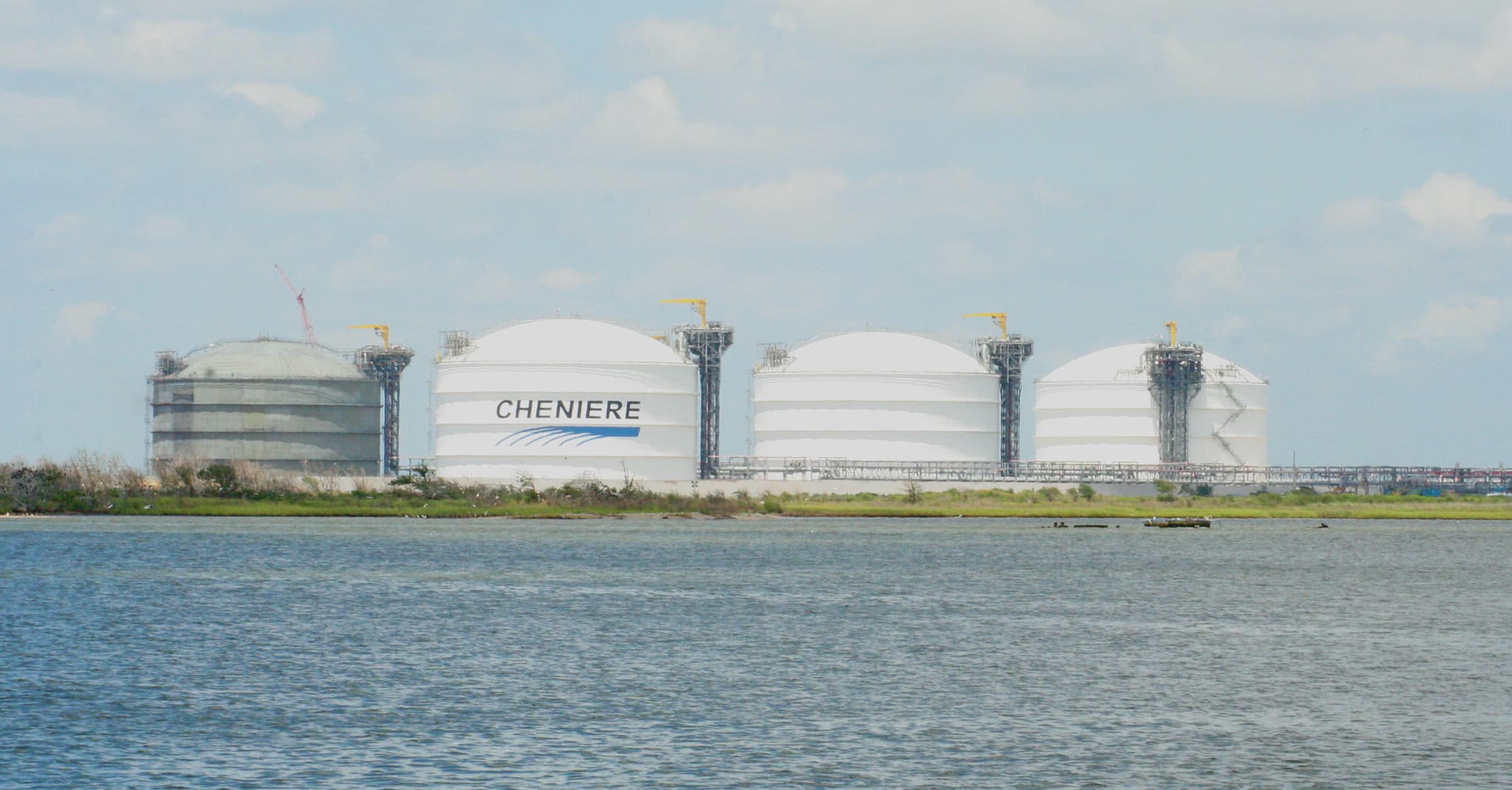
A Qatari liquefied natural gas tanker completed its transit through the Strait of Hormuz today, a critical global chokepoint for energy shipments. The passage occurred as the United States awaits Iran's official response to a proposed regional peace deal.
The Strait of Hormuz handles roughly one-fifth of the world's oil consumption and a portion of its liquefied natural gas exports. Its security directly influences global energy prices and supply stability, impacting downstream industries. The U.S.-backed peace initiative aims to de-escalate regional conflicts, but Iran's decision carries weight for future shipping routes and energy infrastructure.
U.S. energy equities are sensitive to developments in the Persian Gulf. Any perceived threat to shipping lanes could drive up crude oil and natural gas futures, directly benefiting upstream producers and refiners. Companies with robust global supply chains and diversified asset bases are better positioned to face potential disruptions.
The S&P 500 rose 0.8 percent to 7,399, while the Nasdaq gained 1.7 percent to 26,247. Apple climbed 2.1 percent to $293.32, and Tesla jumped 4.0 percent to $428.35. Microsoft dropped 1.4 percent to $415.12. This divergence indicates investors are not uniformly pricing in geopolitical risk.
The immediate catalyst for market direction remains Iran's official communication regarding the peace deal. A positive response could ease supply chain concerns and reduce the geopolitical risk premium embedded in energy assets. A negative or delayed response would likely sustain volatility across energy and shipping sectors.


