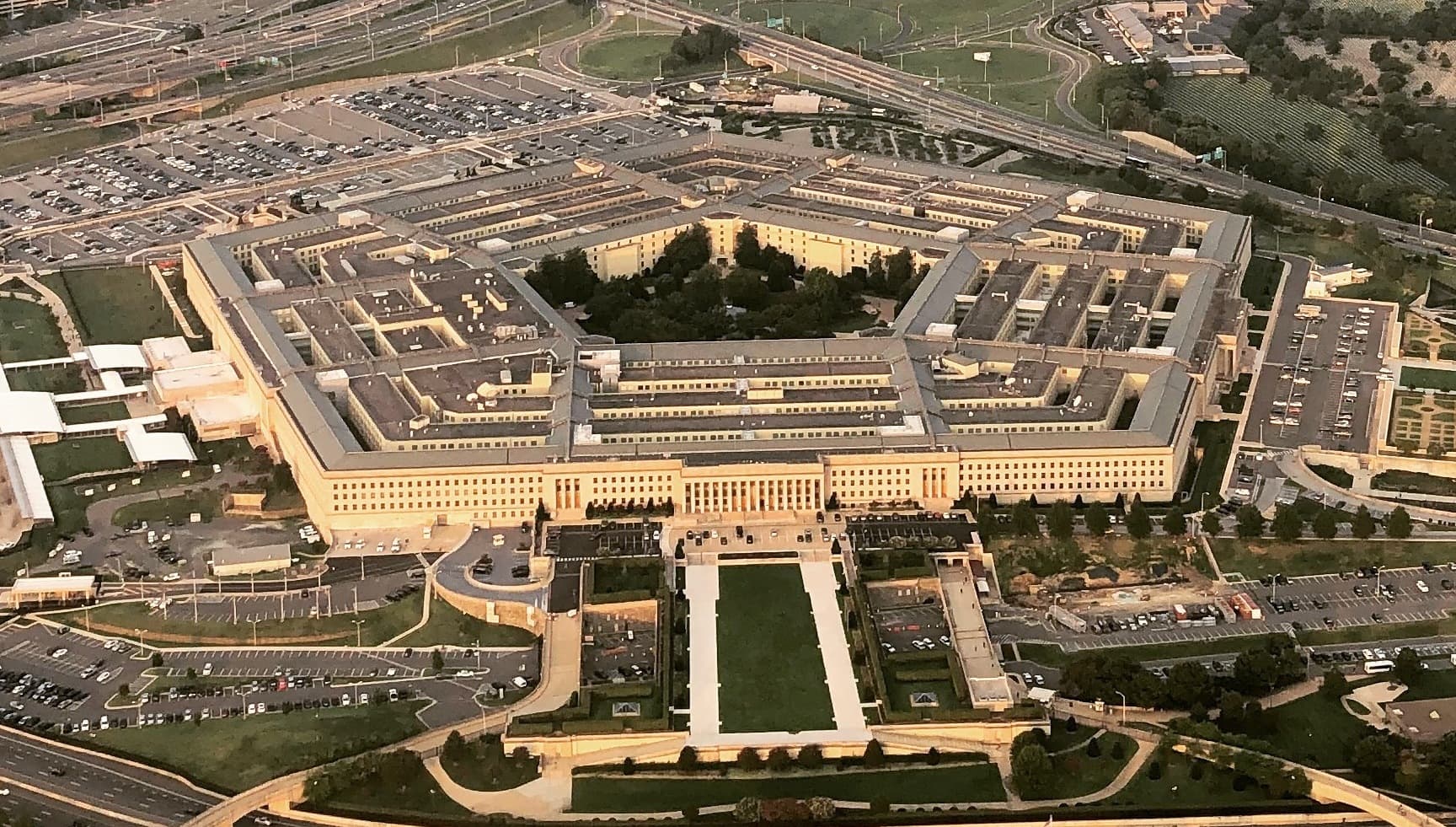
WASHINGTON—The Pentagon's All-domain Anomaly Resolution Office launched an online portal today, making thousands of declassified documents and videos related to Unidentified Anomalous Phenomena available to the public. The initiative follows years of bipartisan congressional pressure for transparency regarding unexplained aerial sightings.
The public data release comes as AARO faces a May 1 deadline to submit its annual report to Congress detailing its findings and research efforts. The timing could be a strategic attempt to shape the narrative ahead of that report, which often draws scrutiny from lawmakers and the public.
Sen. Kirsten Gillibrand, D-N.Y. has championed UAP transparency, arguing for increased funding for AARO and more robust data collection. Defense contractors specializing in advanced sensor technology and data analytics could see expanded opportunities if UAP budgets increase in the coming fiscal year. Intelligence agencies historically protective of classified information may view this public release as a challenge to their traditional control over sensitive data.
The Pentagon's explicit statement that the public can draw own conclusions marks a departure from previous government stances on UAPs, often characterized by dismissal or secrecy. This strategy may aim to diffuse public speculation and conspiracy theories by providing official, albeit heavily redacted, information directly. It also places the burden of interpretation directly on the public, potentially reducing the government's role in offering explanations for these phenomena.
The release occurs during ongoing global interest in UAPs, with several other nations reportedly reviewing their own classified sightings. The U.S. government's move could set a precedent for international transparency, potentially influencing how other countries approach their own unidentified aerial phenomena data.
AARO Director Dr. Sean Kirkpatrick is expected to brief congressional committees later this month on the office's progress and challenges, following the submission of the annual report. These closed-door sessions will likely focus on the implications of the newly released data and future U.S. government strategy regarding UAP investigations.


