U.S. employers added 115,000 jobs in April, a figure that surpassed economist expectations and pushed the unemployment rate to 4.3 percent. This robust labor market data immediately weighed on broader equity indices, as investors recalibrated expectations for monetary policy. The S&P 500 fell 0.4 percent to 7,337, while the Nasdaq Composite dropped 0.1 percent to 25,806. The Russell 2000, representing smaller companies often more sensitive to economic shifts and borrowing costs, saw the sharpest decline, down 1.6 percent to 2,840.
The stronger-than-expected payroll growth reinforces the Federal Reserve's hawkish stance, suggesting interest rates may remain elevated for longer than previously anticipated. This outlook typically dampens investor appetite for growth stocks, as higher discount rates reduce the present value of future earnings and increase borrowing costs. Amazon, a bellwether for consumer spending and growth, declined 1.4 percent to $271.17 following the report, reflecting these macro concerns.
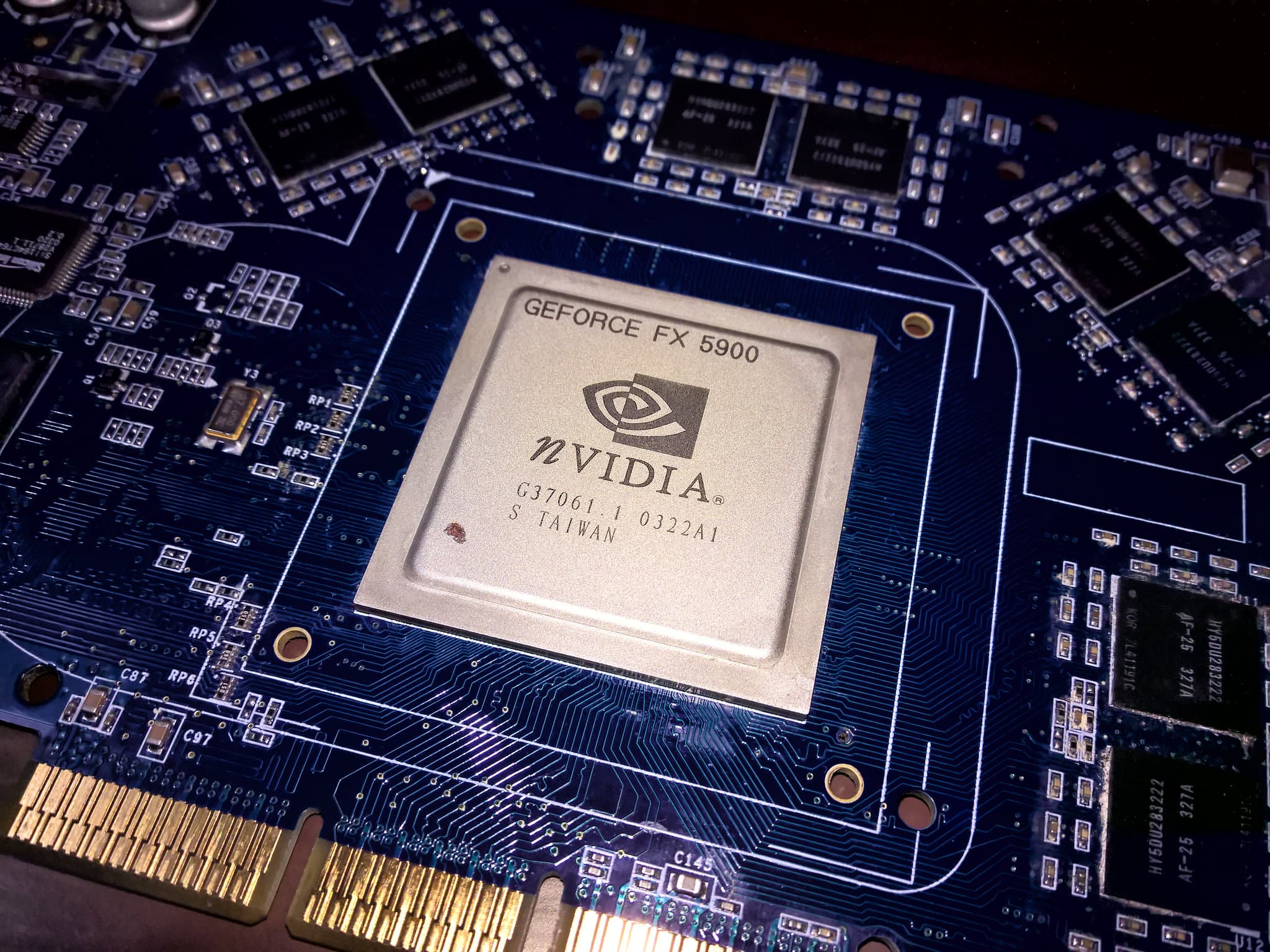
Despite the broader market's negative reaction to rate concerns, select technology giants demonstrated resilience, driven by strong company-specific catalysts. Nvidia rose 1.8 percent to $211.50, extending its rally on continued demand for AI infrastructure and robust forward guidance. Tesla shares gained 3.3 percent to $411.79, benefiting from recent strategic announcements and renewed investor confidence in its long-term growth trajectory, including advancements in autonomous driving.
A tight labor market with steady job creation supports consumer spending, a critical driver for corporate earnings in sectors like retail and services. However, the prospect of prolonged higher rates introduces a valuation challenge for companies reliant on future growth. Investors should prioritize firms demonstrating consistent profitability and strong free cash flow generation, which are better positioned to withstand a higher-cost capital environment.
This jobs report shows a bifurcated market where macro pressures meet micro strengths. We maintain a high conviction on companies with clear competitive advantages and robust earnings visibility, even in a higher-rate environment. The divergence seen today highlights the importance of fundamental analysis over broad market sentiment, favoring leaders like Nvidia and Tesla.
The market will now turn its attention to the Consumer Price Index report, scheduled for release on May 15, which will provide further clarity on inflationary pressures and the Federal Reserve's path forward.


