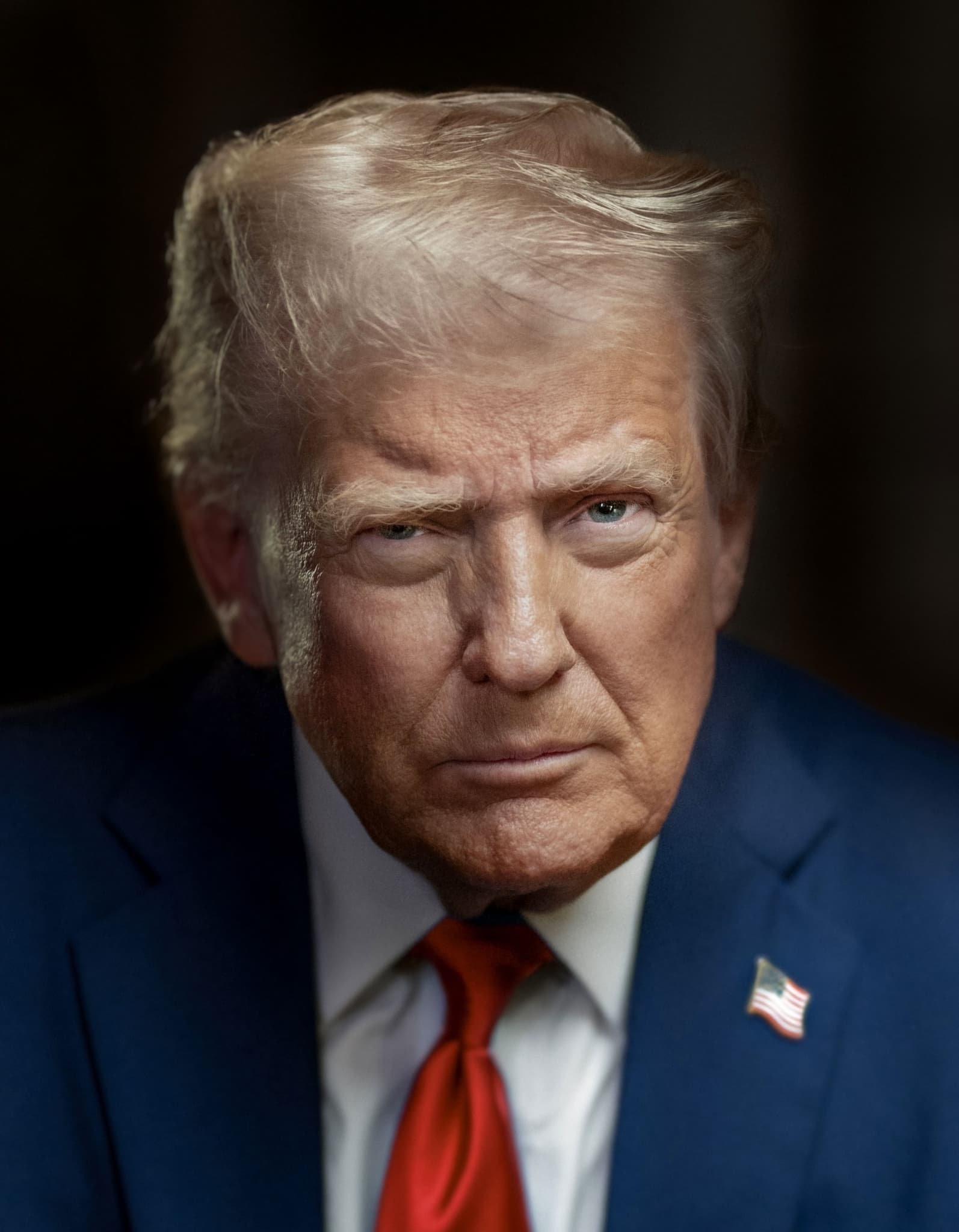
President Trump scored decisive victories in a slate of Indiana state Senate primaries Tuesday, a powerful affirmation of his enduring grip on the Republican Party’s base. These wins, coming early in the primary season, signal a robust and organized groundswell of support for candidates who align closely with his political agenda and vision for the nation. The results demonstrate a clear mandate from voters who continue to rally behind the President, reinforcing his position as the party’s undisputed leader and chief strategist. This outcome sets a strong precedent for upcoming contests across the United States, suggesting a unified front heading into the general election cycle.
The immediate market implications of President Trump’s strong showing could manifest as increased investor confidence in sectors traditionally favored by his administration, such as domestic energy production, defense contractors, and manufacturing industries. A clearer political trajectory often reduces market uncertainty, which investors generally welcome, potentially leading to stability or upward momentum in relevant equity markets. For the digital asset space, these results might be interpreted as a reinforcement of a pro-innovation, less interventionist regulatory stance, which many in the crypto community view as a positive development for market growth and technological advancement. This perceived political clarity, stemming from a strong primary performance, could influence sentiment across various asset classes and investment strategies.
These Indiana primary results arrive amidst a broader national political landscape defined by ongoing debates over economic policy, national security, and cultural issues that resonate deeply with the Republican base. President Trump has consistently maintained a high approval rating and significant influence among Republican voters, a trend that has been evident in numerous national polls and previous primary contests across the country. His endorsements have proven to be a particularly potent factor in local and state races, often propelling candidates to victory even against well-established incumbents or those with significant financial backing. This consistent pattern underscores a deep-seated loyalty and strategic alignment within the party ranks, indicating a powerful, centralized political force.
For investors and traders, these decisive victories suggest a continued focus on policies that prioritize domestic economic growth, potentially through deregulation and a more protectionist trade stance. Companies with significant U.S. operations or those in industries poised to benefit from reduced regulatory burdens and increased domestic demand might see enhanced favorability from a policy perspective. Conversely, sectors heavily reliant on complex global supply chains or those anticipating stricter environmental regulations under a different administration could face headwinds as the political landscape solidifies. This strong political momentum provides a clearer lens through which to anticipate potential shifts in legislative priorities and economic directives, influencing long-term investment planning.
The outcomes in Indiana also highlight the strategic importance of grassroots support and the power of a unified party message heading into the general election, particularly in battleground states. Businesses and investors seeking to navigate the evolving political climate will closely monitor how these primary wins translate into broader electoral success and potential shifts in congressional power. The consolidation of power behind President Trump’s endorsed candidates could streamline policy implementation and legislative action if his party gains further control in Washington. This alignment suggests a more predictable, albeit potentially disruptive depending on one's perspective, policy environment for the coming years.
Looking ahead, market participants will keenly watch the results of upcoming primaries in other key states, seeking further indicators of President Trump’s influence and the overall direction of the Republican Party. Attention will also turn to general election polling data, candidate debates, and any early policy proposals or campaign platforms unveiled by the President and his allies as the campaign intensifies. Key economic indicators, particularly those related to inflation, employment, and interest rates, will remain critical in shaping overall market sentiment and investor decisions as the election cycle progresses. The path forward will be closely scrutinized for any signals of future policy shifts that could impact various sectors of the economy.


