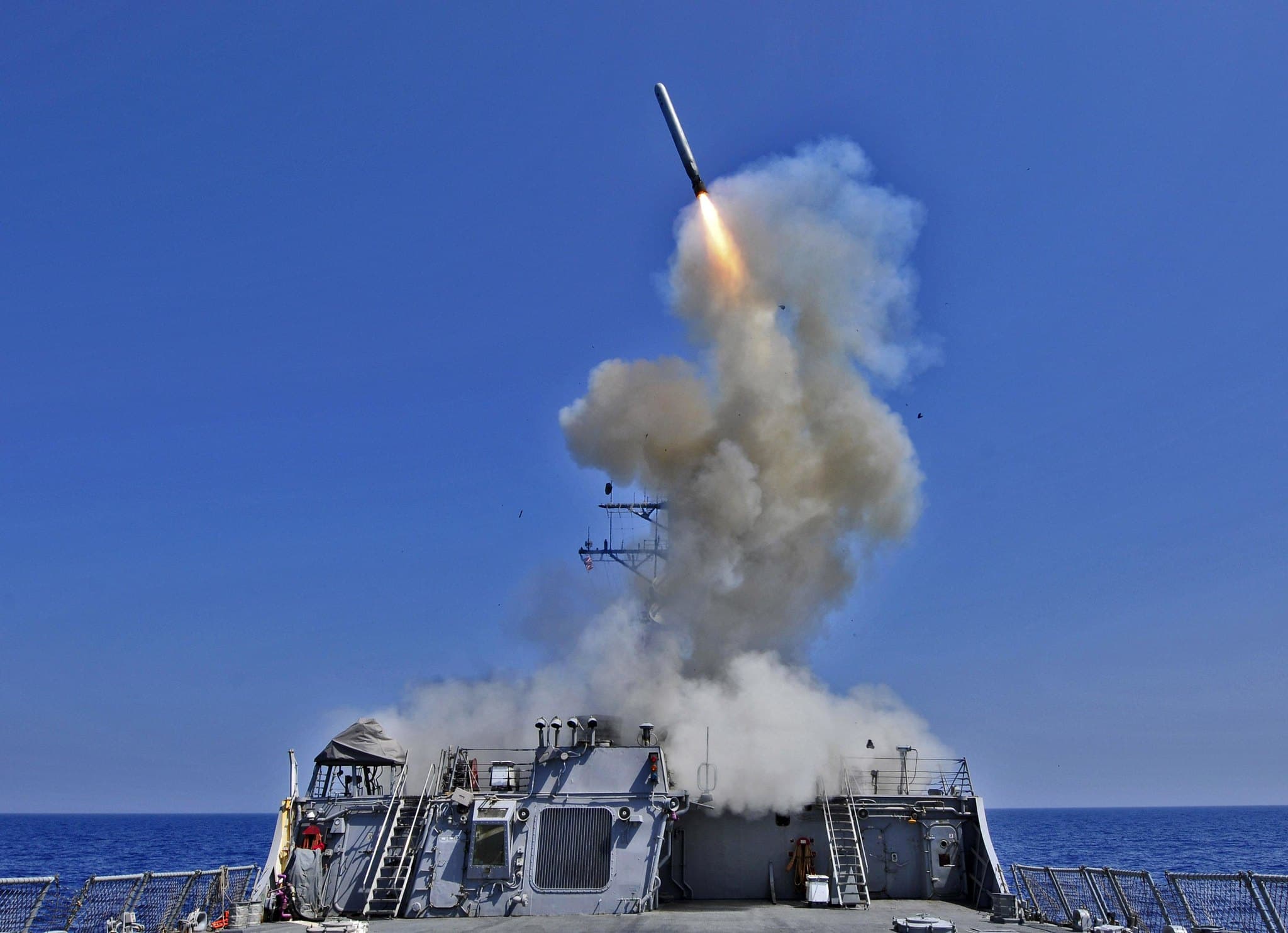
The U.S. Army launched a Tomahawk missile from the Philippines during ongoing military drills, marking the first time such a weapon has been fired from Philippine territory. The launch demonstrates increased interoperability and advanced capabilities being deployed in the Indo-Pacific region. The launch was part of broader exercises between the two nations.
Defense sector companies may see increased investor interest. Regional tensions, particularly concerning maritime security in the South China Sea, could also influence commodity markets, including oil and gas, as traders factor in heightened regional instability. Direct impacts on broader equity markets may be limited initially, but sustained elevated tensions could prompt investors to re-evaluate supply chain resilience and regional investment strategies.
This development comes as the United States works to bolster its alliances in the Indo-Pacific. The Philippines, a long-standing treaty ally, has become increasingly central to U.S. strategic interests, particularly given its geographic proximity to critical maritime trade routes and disputed territories. Recent years have seen an expansion of joint military exercises and increased U.S. access to Philippine bases under the Enhanced Defense Cooperation Agreement.
For investors and traders, this missile launch represents a shift in regional power dynamics and defense posture. Companies involved in defense manufacturing, surveillance technology, and cybersecurity could benefit from increased spending and strategic contracts as nations in the region modernize their military capabilities. Sectors heavily reliant on stable maritime trade or direct investment in potentially contested areas might face increased scrutiny and risk premiums.
The move reinforces U.S. commitment to its allies and its intent to maintain a free and open Indo-Pacific, potentially deterring aggressive actions from other regional powers. However, it also carries the risk of escalating tensions, prompting reciprocal actions or increased military posturing from nations viewing the deployment as a direct challenge. Long-term investors should consider the evolving geopolitical situation as a significant factor influencing regional economic stability and growth prospects.
Market participants should monitor official statements from all involved nations, as well as any further joint military exercises or diplomatic engagements. Key indicators include defense spending announcements, shifts in commodity prices, and any changes in shipping insurance rates for routes through the South China Sea. U.S.-Philippines defense cooperation and the broader regional response will influence future market sentiment.


