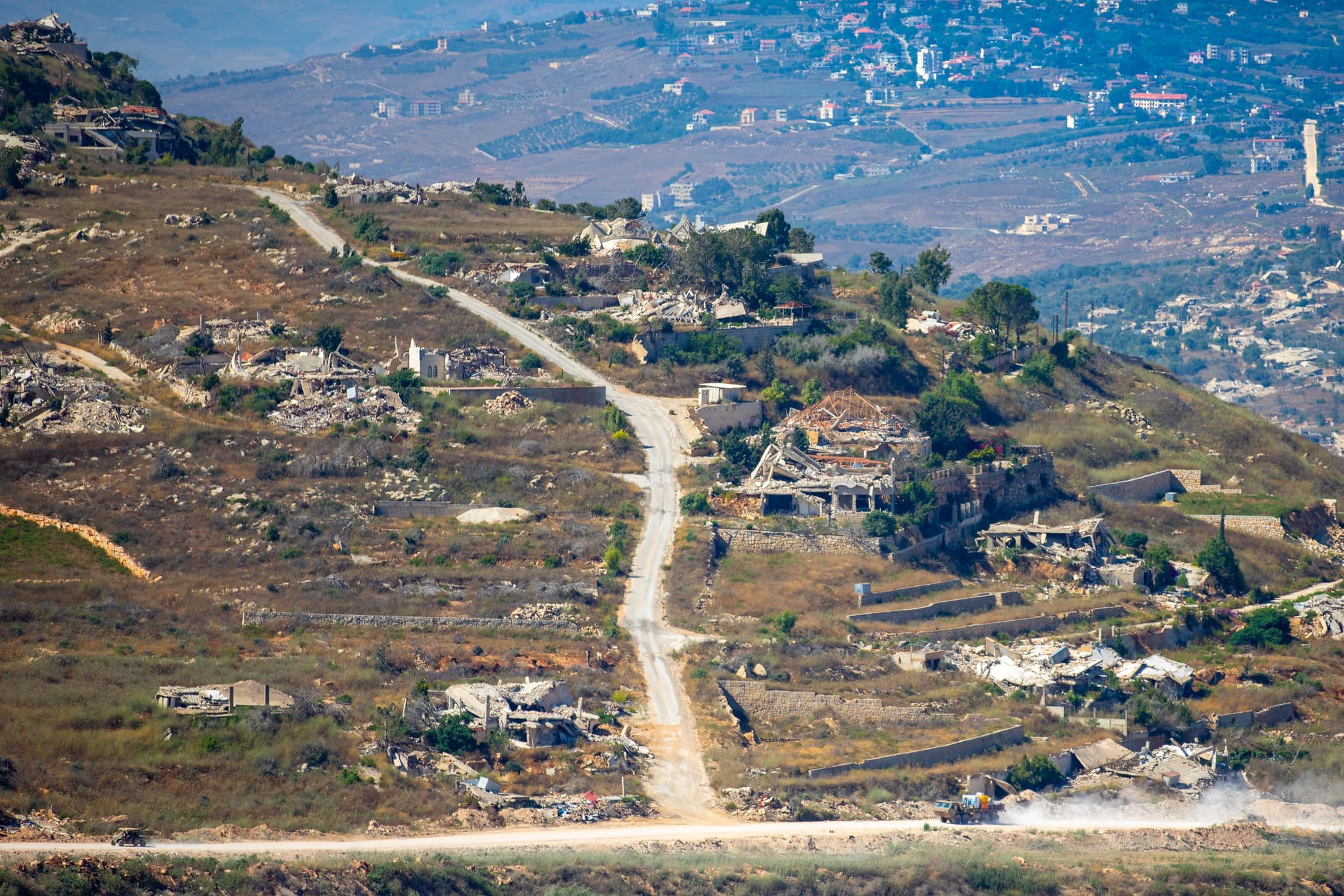
The Israeli Chief of Staff, speaking directly from southern Lebanon, issued a significant declaration today, indicating a heightened state of readiness for expanded military action. He said, "We are on high alert to return to a strong and broad operation that will enable us to deepen our achievements and further weaken the Iranian regime." This pointed statement, delivered from a highly sensitive border region mere kilometers from Israel's northern border, signals Israel's intent to escalate its response beyond current, localized engagements. The explicit mention of weakening the Iranian regime suggests a broader strategic objective aimed directly at Tehran's extensive regional influence and its network of proxy forces. This public warning serves as a clear message to both regional adversaries and international observers about Israel's resolve.
Such a pronounced threat of a "strong and broad operation" immediately reverberates through global financial markets, particularly those sensitive to geopolitical instability in the Middle East. Energy markets are expected to react swiftly, with crude oil prices likely experiencing upward pressure amid concerns over potential supply disruptions from a region vital to global energy supplies. Defense sector stocks, especially those of major contractors, could see increased investor interest as the prospect of prolonged conflict and expanded military procurement looms. Conversely, broader equity markets may face headwinds, prompting a flight to safe-haven assets such as gold, which historically performs well during times of uncertainty, and potentially Bitcoin, which often serves as a digital store of value and an uncorrelated asset during periods of traditional market volatility. Global supply chains, already strained, could also face renewed pressures.
This declaration arrives amidst a backdrop of persistent tensions and escalating cross-border skirmishes between Israel and Hezbollah, the Iran-backed militant group operating primarily from Lebanon. For months, the region has seen an uptick in exchanges, including rocket fire and drone incursions, following the broader conflict in Gaza and Israel's ongoing efforts to counter what it perceives as an existential threat from Iranian proxies. The Chief of Staff's presence in southern Lebanon itself is a powerful symbolic act, reinforcing Israel's direct engagement and determination to confront the challenges emanating from its northern border. Iran's extensive network of regional allies, its support for groups like Hezbollah, and its nuclear program have long been a focal point of Israeli security concerns, setting the stage for this latest and most explicit warning.
For investors and traders, the Chief of Staff's statement necessitates a comprehensive re-evaluation of risk exposure, particularly in sectors tied to global stability and energy supply chains. Increased volatility is likely to become a defining characteristic across asset classes, from commodities to equities and even digital assets, as market participants price in the heightened risk. Companies with significant operational footprints or revenue streams dependent on the Middle East, including those in logistics, tourism, and infrastructure development, could face immediate scrutiny and potential downside. Furthermore, the explicit targeting of the "Iranian regime" elevates the conflict's potential scope, suggesting a move beyond localized skirmishes to a more comprehensive regional confrontation that could involve multiple state and non-state actors. This geopolitical chessboard demands careful consideration of portfolio resilience.
In this environment of elevated geopolitical risk, certain assets and industries are poised to benefit while others face significant headwinds. Oil producers and defense contractors are typically seen as primary beneficiaries of heightened tensions, as global demand for energy security and military hardware tends to increase. Gold, a traditional safe haven, is poised for potential appreciation as investors seek refuge from market uncertainty, while Bitcoin's unique role as a decentralized, censorship-resistant alternative store of value could be further tested and reinforced, attracting capital seeking uncorrelated assets. Conversely, sectors like tourism, aviation, and general consumer discretionary spending, which thrive on stability and open borders, are likely to suffer from reduced confidence and potential travel disruptions. Regional economies, especially those bordering conflict zones, also stand to incur substantial losses.


