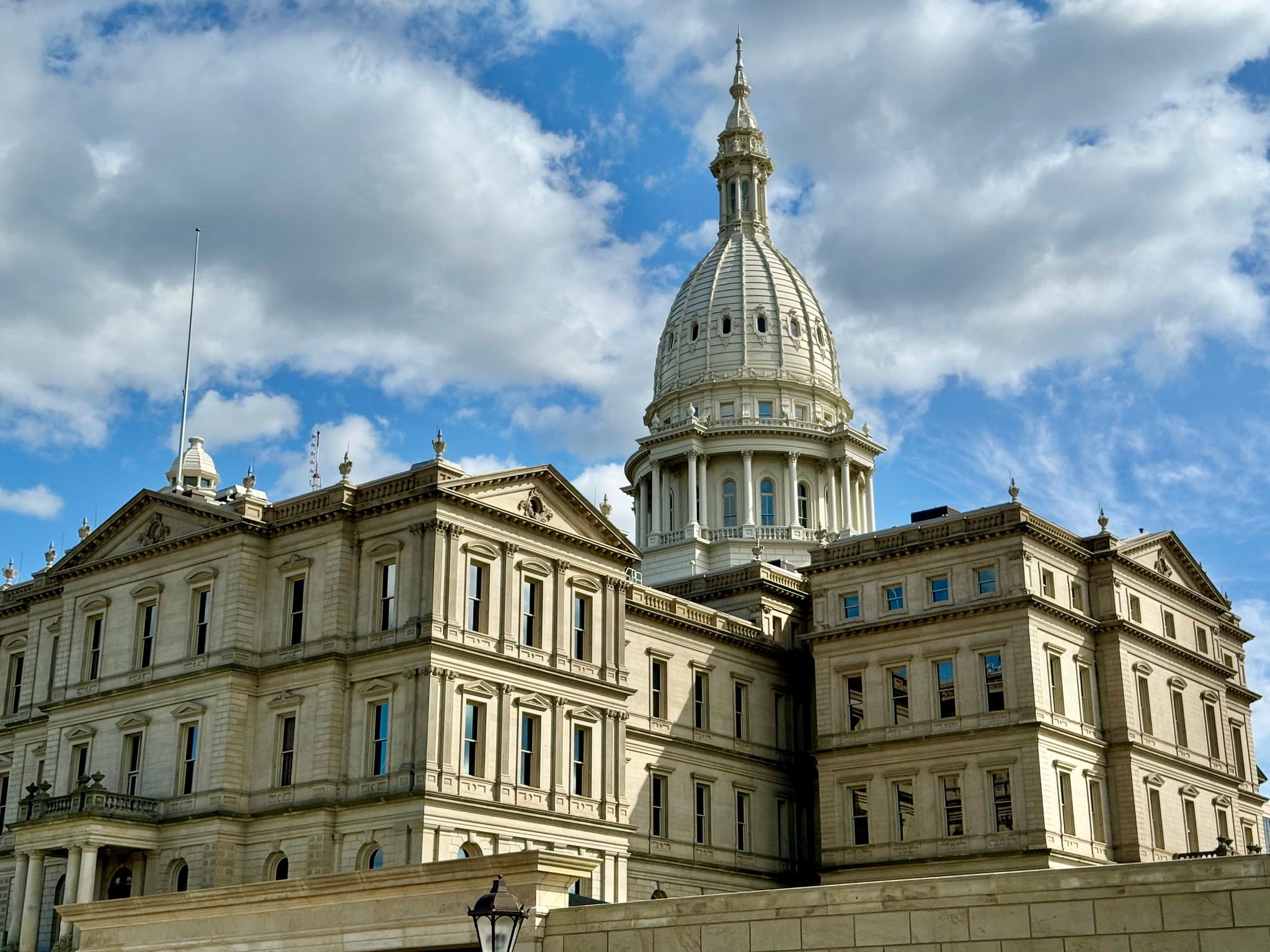
Democrat Chedrick Greene won a special election in Michigan, securing his party's control of the state Senate and solidifying its legislative power. This victory ensures the Democratic Party maintains its majority through the remainder of Governor Gretchen Whitmer's current term, allowing for continued advancement of her policy agenda. Greene's win fills a vacancy in the legislature, reinforcing the existing political landscape and providing continuity for state leadership. The outcome shows the competitive nature of Michigan politics while affirming the Democratic Party's current hold on the state's legislative chambers.
Greene's victory provides policy predictability and stability within Michigan's legislature. Industries operating in the state, particularly the automotive sector, advanced manufacturing, and clean energy enterprises, can now expect a more consistent regulatory and legislative framework. This continued Democratic control is expected to increase investor confidence in state-backed initiatives, infrastructure projects, and workforce development programs that align with the party's platform. While primarily a state-level election, the outcome could also be interpreted by some analysts as an indicator of broader political sentiment, influencing national market narratives around future electoral outcomes and party strength.
The special election was needed due to a recent vacancy in the state Senate, drawing significant attention due to the chamber's close partisan divide prior to Greene's win. Michigan has become a critical battleground state in recent years, with its political leanings closely watched for national trends and shifts in voter sentiment. Governor Whitmer, a prominent Democratic figure, has actively championed a legislative agenda focused on economic development, infrastructure improvements, and environmental protection throughout her tenure. Greene's victory directly supports the continuation of these policy priorities, preventing potential legislative gridlock or a shift in power that could have resulted from a divided Senate. This election served as a test of party strength and organizational capacity in a key swing state.
For investors and traders, this outcome largely signals a continuation of current policy trajectories rather than a disruptive shift, offering a degree of legislative certainty. Companies aligned with Democratic priorities—such as those in renewable energy, electric vehicle manufacturing, or public works infrastructure—may find Michigan an increasingly attractive state for investment and expansion opportunities. The stability offered by a unified legislative and executive branch can streamline the passage of bills and reduce regulatory uncertainty, which is often a key consideration for long-term capital deployment and business planning. This environment could foster sustained growth in sectors benefiting from state incentives and supportive regulations. Conversely, sectors or businesses that might have sought a more conservative regulatory approach or different fiscal policies will likely see their influence remain limited, potentially facing higher compliance costs or different operational constraints.
The Democratic Party benefits significantly from Greene's win, maintaining its ability to pass legislation without needing bipartisan support for every measure, thereby enhancing its legislative efficiency. This includes potential advancements in core areas like labor rights, public education funding, healthcare access, and environmental protections, which are central tenets of the party's platform. The outcome also avoids a scenario where legislative initiatives could be stalled or overturned by an opposing majority, ensuring a smoother path for Governor Whitmer's remaining term and her administration's agenda. This victory could also serve to energize the party's base and provide a boost in morale ahead of upcoming national elections, demonstrating its capacity to win competitive races and maintain political momentum. It reinforces the narrative of Democratic strength in key industrial states.
Market participants and political observers will closely monitor the implementation of key legislative initiatives in Michigan, particularly those related to economic incentives, state spending, and regulatory changes. The state's upcoming budget process and any new proposals concerning infrastructure development, energy policy, or social programs will be indicators of the impact of this solidified Democratic control. Furthermore, the political dynamics in Michigan will continue to serve as a bellwether for national sentiment as the United States approaches future election cycles, with attention turning to how this local victory translates into broader electoral momentum and shifts in partisan alignment.


