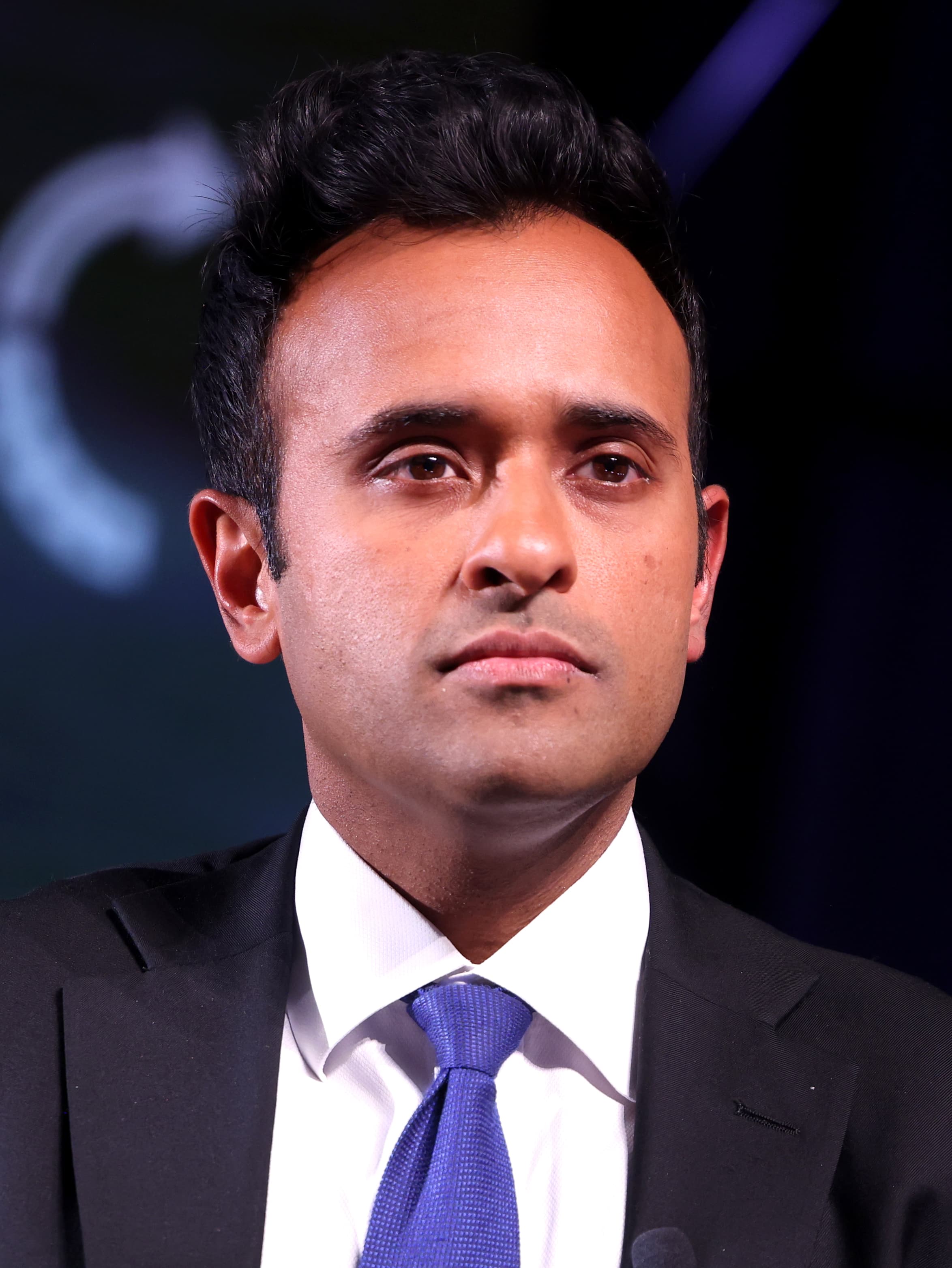
Biotech entrepreneur Vivek Ramaswamy has secured the Republican nomination for Ohio governor, setting up a general election battle. Ramaswamy's victory positions him against Democrat Dr. Amy Acton, who previously served as Ohio's state health director during the initial phase of the COVID-19 pandemic. This matchup pits a prominent figure from the biotech and investment world against a public health official known for her early pandemic response. The race is expected to draw significant national attention given the contrasting backgrounds of the two candidates.
Ramaswamy's nomination affects the biotech and investment communities, where he holds a recognized profile. His background as a founder of Roivant Sciences and an outspoken advocate for innovation suggests a potential shift in state policy focus towards technological advancement and entrepreneurship in Ohio. Investors watching the intersection of politics and industry will be monitoring his campaign platform for specific proposals that could impact sectors like pharmaceuticals, healthcare technology and venture capital. The market's initial reaction may reflect a cautious optimism for business-friendly policies should he win the governorship.
Ramaswamy's journey to the gubernatorial nomination follows a period of heightened national visibility, including a run for President and his established presence as a conservative commentator and author. His campaign leveraged a strong grassroots effort and significant media engagement, often appealing to voters disillusioned with traditional political establishments. Dr. Acton gained widespread recognition for her leadership during the onset of the COVID-19 pandemic, where her daily briefings became a staple for many Ohioans during the public health crisis. Her measured approach and scientific communication earned her praise from public health experts—though also drew criticism from those advocating for fewer restrictions. This history shows a significant ideological and experiential divide that will define the upcoming general election, creating a contest of contrasting governance philosophies.
For investors and traders, Ramaswamy's candidacy presents a clear signal of potential pro-business and deregulation policies within Ohio. His emphasis on reducing bureaucratic hurdles, fostering innovation, and stimulating private sector growth could significantly benefit local industries, particularly those in manufacturing, energy, and emerging technology sectors. Companies operating within Ohio may anticipate reduced regulatory burdens, streamlined permitting processes, and increased incentives for expansion, potentially attracting new capital and fostering job creation across the state. This approach aligns with a broader Republican platform often favored by market participants seeking less government intervention and a more robust free-market environment. His background in biotech could signal a specific focus on attracting and nurturing life sciences companies, potentially creating a new hub for medical innovation.
Dr. Acton's platform is expected to prioritize public health initiatives, robust social services, and potentially increased oversight in areas related to healthcare access and environmental protection. While this could lead to substantial public investments in infrastructure, community programs, and preventative care, some businesses might anticipate a stricter regulatory environment or increased compliance costs, particularly in industries with significant environmental footprints. Investors focused on sectors like healthcare services, public education, or those benefiting from government contracts and social programs might find her agenda more appealing. Her focus on public well-being could also drive investment into sustainable practices and community resilience. The policy differences between the two candidates mean that the outcome of this election will have tangible implications for various economic sectors and the overall quality of life across the state.
The general election campaign will now intensify, with both Ramaswamy and Acton expected to articulate their visions for Ohio in greater detail. Key events to watch include upcoming debates, which will offer insights into their policy positions and rhetorical strengths. Polling data will provide early indicators of voter sentiment, while campaign finance reports will highlight the level of national interest and financial backing each candidate garners. The race for Ohio governor will be one of the most closely observed contests in the United States, with significant implications for the state's future economic and social trajectory.


