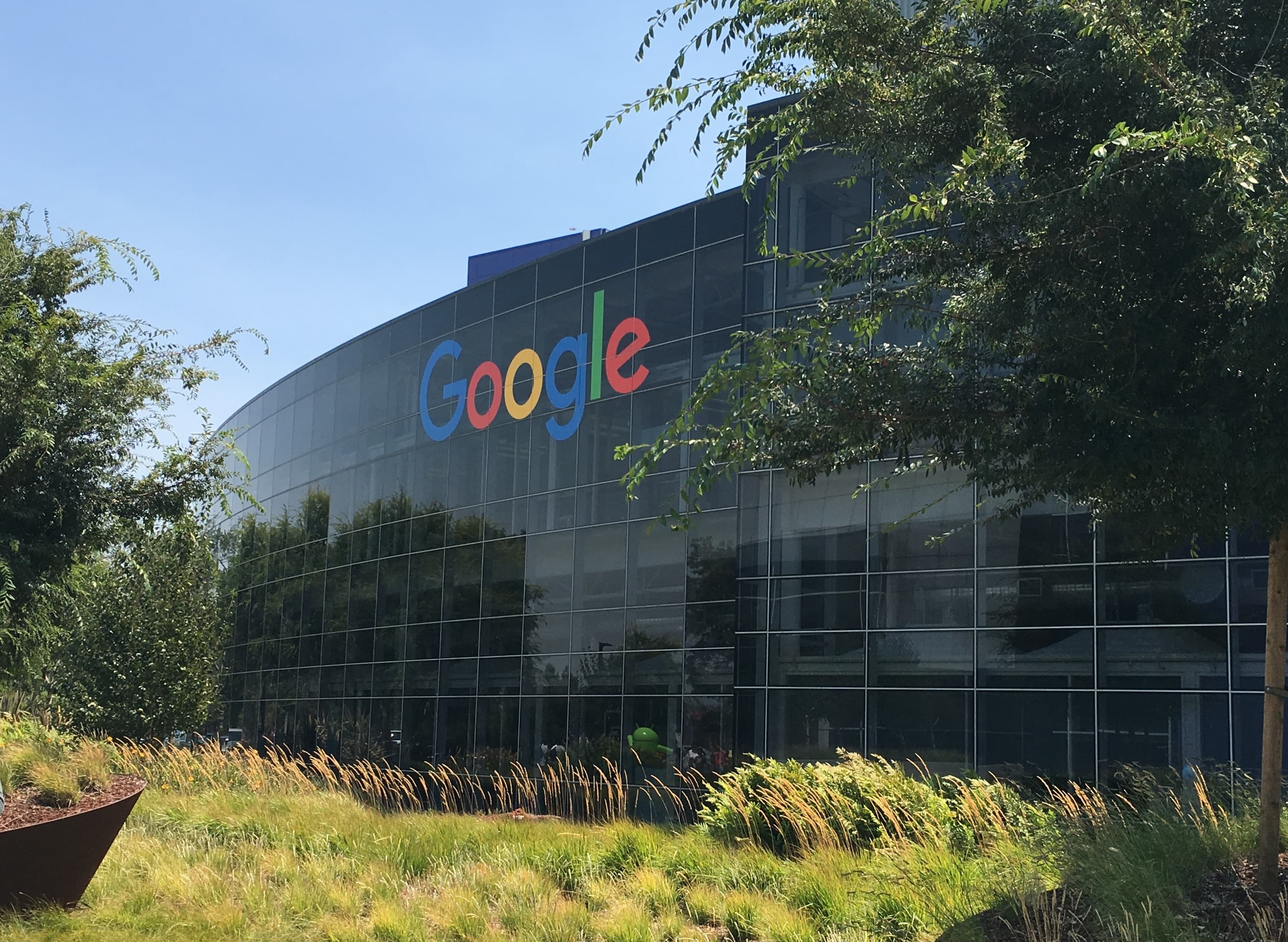
Solana launched a service allowing AI agents to directly process payments for Google Cloud and other community APIs on a per-request basis, bypassing traditional account structures. This move strengthens Solana's position in Web3-AI integration, representing a step towards autonomous economic agents operating on-chain. The development changes how AI interacts with traditional cloud infrastructure, positioning Solana as a layer for the AI economy. This upgrades how digital services will be consumed by intelligent systems. Investors holding positions in SOL should recognize this as a major shift in real-world utility for the network.
This integration comes as Bitcoin trades at $80,916 and Ethereum at $2,361, both showing modest gains of 1.4 percent and 0.6 percent respectively over the last 24 hours. While the overall Crypto Fear & Greed Index sits at 46, indicating a sentiment of Fear, Solana's innovation provides a counter-narrative of tangible progress. The SOL token currently trades at $86.31, reflecting a market that is increasingly valuing networks capable of delivering genuine utility beyond speculative trading. Projects building on Solana stand to benefit from this new payment rail, attracting developers and capital seeking efficient and scalable solutions for AI-driven applications.
Major advances in blockchain adoption have stemmed from establishing critical infrastructure that enables new capabilities, much like Ethereum's early smart contract capabilities enabled decentralized finance. Solana's latest offering follows this pattern, moving beyond simple token transfers to facilitate complex, real-time economic interactions between AI and Web2 services. This development signals a maturation of the crypto space, where the focus shifts from purely financial primitives to foundational layers supporting the next generation of internet applications. The evolution from speculative assets to utility protocols is a feature of every successful tech cycle, and Solana is now establishing its position in this transition.
Institutional players are observing these developments, understanding that real-world utility drives long-term value. Firms like BlackRock and Fidelity, already deeply invested in Bitcoin and Ethereum spot ETFs since their approvals in January 2024 and May 2024 respectively, are now looking for the next wave of innovation. This Solana-Google Cloud integration presents a narrative for asset managers seeking exposure to the intersection of AI and blockchain—a sector expected to see significant growth. The ability for AI to autonomously manage its own operational costs on-chain removes friction, making enterprise adoption of blockchain-powered AI solutions more attractive. Such developments command attention from capital allocators focused on strategic, future-focused investments.
The on-chain implications for Solana are substantial. This service will drive increased transaction volume and network activity as AI agents execute payments on a per-request basis, directly impacting gas fee consumption and overall network throughput. We expect an increase in active wallets and smart contract interactions, indicating organic demand for Solana's high-performance blockchain. This consistent demand for network resources strengthens the value proposition of SOL, moving beyond speculative trading to reflect genuine economic utility. The shift towards machine-to-machine payments creates a new baseline for network utilization that is both predictable and scalable, contrasting with the more volatile human-driven transaction patterns.
The regulatory landscape in the U.S. will need to adapt to these advanced use cases. While current frameworks under SEC Chair Paul Atkins primarily focus on securities and traditional financial assets, autonomous AI payments introduce new complexities. The question of who is responsible for transactions initiated by an AI agent, or how these micro-payments are categorized, will challenge existing legal precedents. President Donald Trump's administration and the Federal Reserve, led by Chair Jerome Powell, are increasingly focused on fostering technological innovation while ensuring consumer protection. This Solana initiative will force regulators to consider new categories of digital asset utility, potentially leading to more forward-thinking policies that acknowledge the unique nature of Web3-AI commerce.
Solana's move positions it as a critical infrastructure layer for the evolving AI ecosystem, where autonomous agents will require seamless, trustless, and efficient payment mechanisms. This capability could enable new business models across various industries, from automated content creation and data analysis to supply chain management and decentralized autonomous organizations. The competitive advantage against other Layer one chains now depends not just on scalability but on practical, integrated utility with mainstream tech providers. This integration with Google Cloud sets a precedent, inviting other major cloud providers and API services to explore similar on-chain payment solutions, further embedding Web3 into the digital economy.
Solana is not just building a fast blockchain; it is constructing the infrastructure for the future of automated commerce and AI interaction. This direct integration with Google Cloud and other APIs represents a step towards mainstream adoption, proving that digital assets can serve as more than just speculative instruments. For those holding SOL, this development validates the long-term vision of a high-throughput network powering real-world applications. This is the kind of innovation that drives sustainable value and distinguishes disruptive technologies from fleeting trends in the volatile crypto market.


