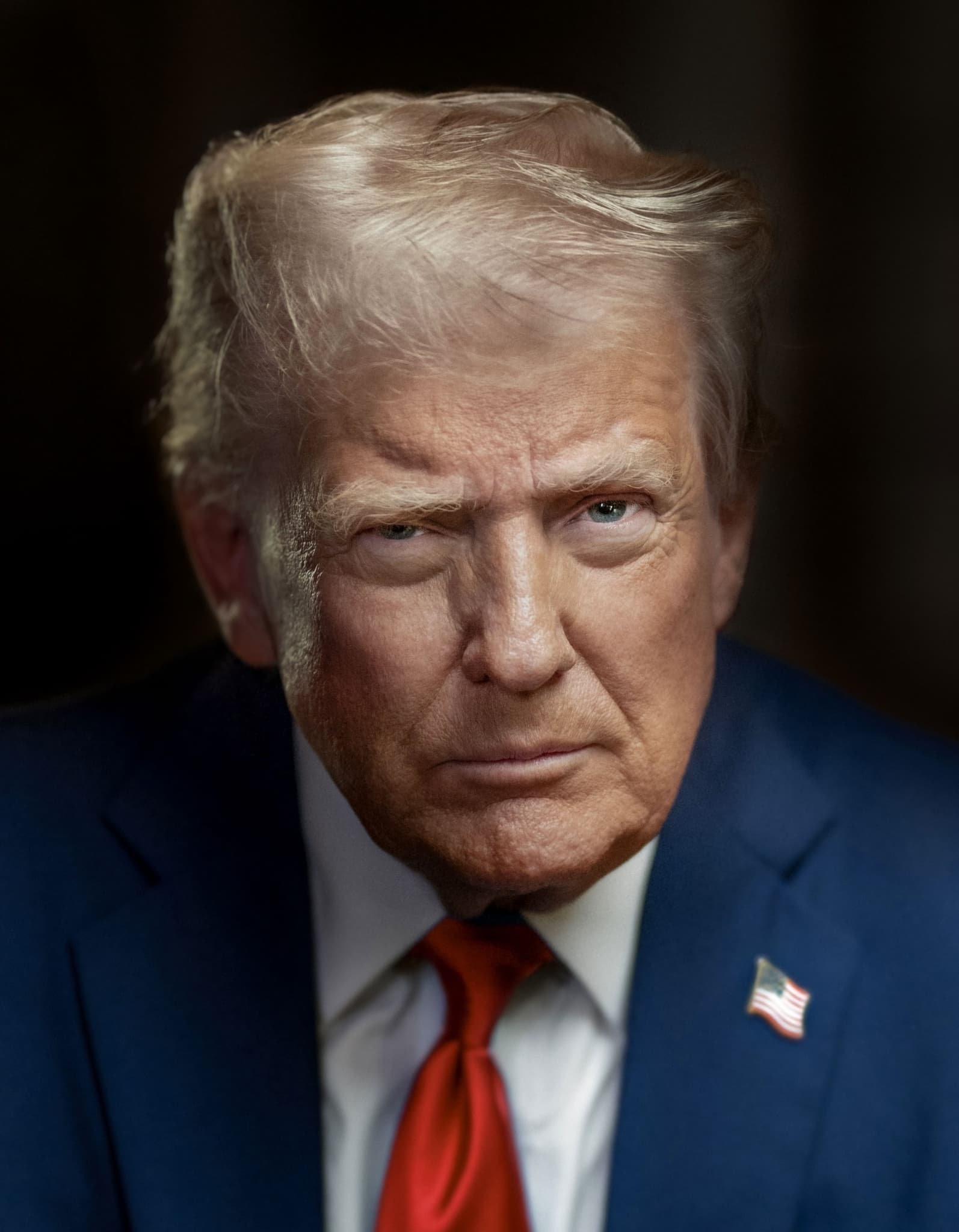
Pope Leo today reiterated his commitment to global peace, stating his sole mission is to spread a message of harmony and understanding across all nations. His remarks came after President Trump delivered a public critique regarding the Pontiff's recent diplomatic efforts and his stance on international affairs. This exchange marks the latest instance of public disagreement between two influential figures, whose pronouncements often carry weight globally. The Pontiff's statement, delivered from the Vatican, underscores a consistent theme of reconciliation and dialogue in his leadership, even in the face of direct criticism.
High-profile disagreements can introduce geopolitical uncertainty that affects global financial markets. Investors typically favor stability and predictability, and any perceived friction among international leaders can prompt a cautious sentiment, potentially influencing asset allocation decisions across various portfolios. While not directly tied to immediate economic data points, the ongoing discourse between President Trump and Pope Leo could contribute to broader market volatility, particularly in sectors sensitive to international relations or perceived global stability. This dynamic frequently sees a temporary flight towards safe-haven assets, as market participants seek to mitigate potential risks stemming from heightened geopolitical tensions.
This is not the first time President Trump and Pope Leo have found themselves at odds over international policy and global engagement, reflecting a persistent divergence in their worldviews. Previous disagreements have centered on issues ranging from immigration policies and humanitarian aid to the role of religious institutions in addressing global crises. President Trump's recent comments reportedly focused on the Pontiff's approach to certain international conflicts and his perceived influence on global political landscapes, suggesting a difference in strategic vision. These recurring tensions highlight an ideological gap between the two leaders regarding global governance, moral authority, and the practical application of diplomatic power.
For investors and traders, this ongoing dynamic presents a challenge that extends beyond traditional economic indicators. While direct economic impacts are not immediately apparent, the persistent tension between such prominent figures can erode overall market confidence, especially in an interconnected global economy where sentiment plays a crucial role. Increased geopolitical risk premiums might emerge, potentially affecting everything from sovereign bond yields to equity valuations in specific regions perceived as more vulnerable to global instability. Traders may begin to price in a higher degree of political unpredictability, leading to more conservative portfolio strategies and a greater emphasis on defensive plays.
Entities perceived as promoting stability or offering alternative leadership in times of global friction could indirectly benefit from this discourse, as investors seek reliable anchors. Conversely, sectors heavily reliant on international cooperation, open trade policies, or those vulnerable to protectionist sentiments might face increased scrutiny and potential headwinds. Political and religious leadership, even when seemingly separate from direct commerce, can shape the psychological landscape of financial markets. This underscores the need for investors to monitor not just economic fundamentals but also the evolving geopolitical narrative and its potential to influence market sentiment and capital flows.
Market participants will monitor any further statements from either President Trump or Pope Leo, as well as reactions from other world leaders and international bodies. The nature of diplomatic responses and shifts in global public opinion could provide further cues on the trajectory of this high-level disagreement and its potential broader implications. Key indicators to watch include investor sentiment indices, the performance of traditional safe-haven assets like gold or certain stable fiat currencies, and any shifts in global trade rhetoric, all of which often reflect broader geopolitical concerns. Any perceived escalation or de-escalation of rhetoric will be critical in shaping short-term market movements and long-term investment strategies.


