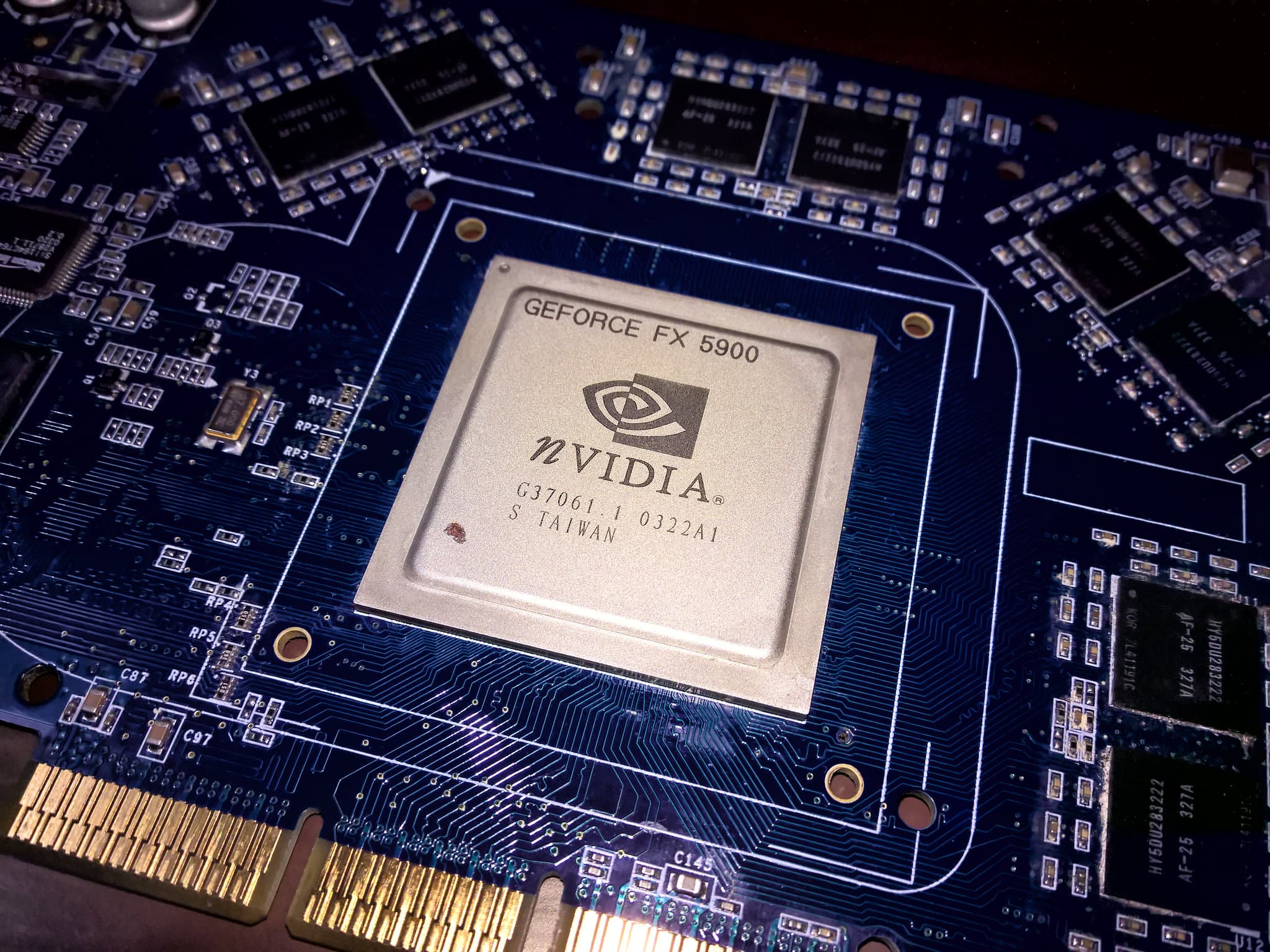
The U.S. equity market remains largely buoyant, with the S&P 500 holding steady at $7,230 and the Nasdaq Composite pushing to $25,114 today, driven by an insatiable demand for artificial intelligence infrastructure and services. This AI-fueled rally has been a dominant theme for over a year, propelling valuations of key technology players to unprecedented levels as enterprises globally commit massive capital to digital transformation initiatives. However, beneath the surface of broad index gains, bellwether Nvidia's slight dip to $198.45 today—a 0.6 percent decline—serves as a critical indicator that even the most robust narratives can face immediate headwinds and investor scrutiny. This minor pullback in a leading AI chipmaker, while not catastrophic, highlights the market's acute sensitivity to any perceived weakness or profit-taking in the sector that has singularly defined its recent ascent.
Market reaction to this mixed performance within the tech sector reveals a subtle but important divergence in investor sentiment. While Nvidia saw a modest decline, other tech giants like Apple advanced 3.3 percent to $280.25 and Microsoft gained 1.5 percent to $414.19, suggesting a rotation within the broader technology space rather than a wholesale flight from growth. Conversely, Meta Platforms experienced a 0.5 percent decline, settling at $608.75, indicating that investor appetite for even established AI beneficiaries is not uniformly strong. The broader market saw the Dow Jones Industrial Average dip 0.3 percent to $49,499, while the Russell 2000, representing smaller capitalization stocks, showed resilience with a 0.5 percent gain to $2,813, potentially signaling a broadening of market participation beyond the mega-cap tech cohort. This dynamic performance across indices and individual stocks underscores a market grappling with its next directional move, where concentration risk in a few AI leaders has become a significant talking point among portfolio managers.
Historically, the current AI spending boom draws parallels to the dot-com era of the late 1990s, where speculative fervor propelled technology stocks to unsustainable valuations before a sharp correction. Yet, the current environment differs fundamentally in its underlying drivers, with tangible corporate capital expenditures and demonstrable productivity gains fueling the AI narrative rather than mere speculative hype. Companies like Microsoft and Amazon are reporting substantial revenue increases directly attributable to their cloud and AI offerings, validating the significant investments being made in high-performance computing and data centers. This cycle of innovation, while robust, also presents a unique set of challenges, including the sheer scale of capital required and the potential for oversupply or diminishing returns on investment in the long term, echoing lessons learned from prior industrial and technological revolutions where early leaders often faced intense competition and commoditization pressures.
From an analyst and institutional perspective, Wall Street consensus remains overwhelmingly positive on the long-term trajectory of AI, but cracks are appearing in the near-term outlook for specific companies. Major investment banks, while maintaining overweight positions in the sector, have begun to issue cautious notes regarding valuation multiples and the potential for decelerating growth rates as the initial wave of AI adoption matures. Fund managers are increasingly scrutinizing the sustainability of hyperscaler capital expenditures, which are the primary driver of demand for AI hardware and services. There is a growing debate about whether current growth rates are front-loaded, potentially leading to a period of consolidation or even contraction in spending as companies optimize their AI deployments. The Crypto Fear & Greed Index registering 40, indicating "Fear," further reflects a broader cautious sentiment pervading risk assets, even amidst the AI enthusiasm, suggesting investors are keenly aware of systemic vulnerabilities.
Fundamental analysis reveals that the AI rally is not merely a story of chip demand but also of profound shifts in corporate revenue drivers and margin structures. Companies like Microsoft are leveraging their extensive cloud infrastructure to offer AI-as-a-service, generating recurring revenue streams with high-profit potential. Amazon Web Services continues to be a crucial growth engine, benefiting from increased demand for scalable computing power and data storage essential for AI workloads. The competitive landscape, however, is rapidly evolving, with new entrants and established players aggressively vying for market share in various AI sub-segments, from specialized silicon to foundational models. This intensifying competition could pressure margins for even dominant players, especially if the cost of developing and deploying advanced AI capabilities continues to escalate, forcing companies to balance innovation with profitability in an increasingly crowded arena.
The broader market implications of a potentially cooling AI rally are significant, extending beyond the technology sector to influence overall risk appetite and capital allocation across U.S. equities. A sustained slowdown in AI spending or a re-evaluation of AI's immediate economic impact could trigger a sector rotation away from growth stocks towards more defensive or value-oriented plays. Furthermore, the macroeconomic environment, particularly the stance of the Federal Reserve under Chair Jerome Powell, remains a critical determinant of market direction. Any indication of persistent inflation or a more hawkish monetary policy could weigh heavily on highly valued growth stocks, as higher interest rates diminish the present value of future earnings. President Trump's administration continues to monitor economic indicators closely, with the broader economy's resilience inextricably linked to the performance of its most dynamic sectors, including technology and AI.
Looking forward, investors must closely monitor upcoming earnings reports from key AI beneficiaries and infrastructure providers for any shifts in guidance or capital expenditure plans. Technical levels for critical stocks such as Nvidia, currently trading below its recent highs, will provide crucial signals regarding investor conviction. A break below key support levels could indicate a broader sentiment shift, prompting further selling pressure across the sector. Additionally, the ongoing U.S. presidential election cycle and evolving regulatory frameworks around AI will introduce new layers of uncertainty and potential catalysts for market movements. The market will also watch for developments in new AI applications and commercialization efforts, which could either re-ignite enthusiasm or expose the limitations of current technological capabilities, shaping the next phase of the AI investment cycle.
The bottom line for Gokhshtein Media readers is clear: the AI rally, while transformative, rests on a foundation that demands constant scrutiny. While the long-term secular trend for AI remains intact, the immediate path for highly concentrated, high-multiple stocks faces increasing volatility and potential for significant corrections. Investors must re-evaluate their portfolios for excessive exposure to a single narrative, considering diversification into sectors that offer more stable earnings growth or compelling value propositions. The market is signaling a transition, and those who adapt to the evolving dynamics—prioritizing fundamental strength over speculative fervor—will be best positioned to navigate the inevitable shifts in this complex and rapidly changing environment.


