The recent security incident involving Sam Altman’s residence and OpenAI offices has sharply refocused attention on the escalating costs of corporate and executive protection within the artificial intelligence sector. This event is not merely a personal security concern but a stark indicator of the immense strategic value placed on AI intellectual property and the individuals leading its development. Tech firms, particularly those pioneering generative AI, are now allocating unprecedented budgets to safeguard their executives and proprietary research, treating security as a critical operational expenditure rather than a mere overhead.
Market sentiment often correlates with perceived stability, and such high-profile security breaches can introduce volatility. While the broader market saw mixed performance today, with the Nasdaq trading at $25,114 and the S&P 500 at $7,230, incidents like these can prompt investors to scrutinize the risk profiles of AI companies. Security vulnerabilities, whether physical or cyber, represent tangible threats to a company’s valuation, potentially impacting future funding rounds or investor confidence. Companies like Meta, trading at $608.75, and Microsoft, at $414.19, have long-standing, robust security programs, underscoring a baseline for what investors expect in protecting high-value assets and personnel.
The trajectory of corporate security in the tech industry has evolved significantly, from basic office access control to sophisticated, multi-layered defense systems. In the burgeoning AI era, the stakes are exponentially higher; the intellectual property developed by companies like OpenAI represents not just commercial value but national strategic advantage. The intense competition for AI leadership, coupled with geopolitical tensions, transforms leading researchers and executives into high-value targets, necessitating protection levels previously reserved for heads of state or critical infrastructure. This marks a new phase where industrial espionage and personal security converge into a singular, complex threat landscape.
Industry analysts and security consultants confirm that executive protection and advanced corporate security are no longer discretionary expenses but essential components of a robust business model in frontier tech. “The cost of securing top AI talent and their research environments is now a non-negotiable line item that directly influences a company’s ability to attract and retain capital,” said a venture capitalist specializing in AI investments. This perspective emphasizes that sophisticated security measures, encompassing everything from secure data centers to personal security details, are integral to protecting the multi-billion dollar valuations that define today’s leading AI firms.
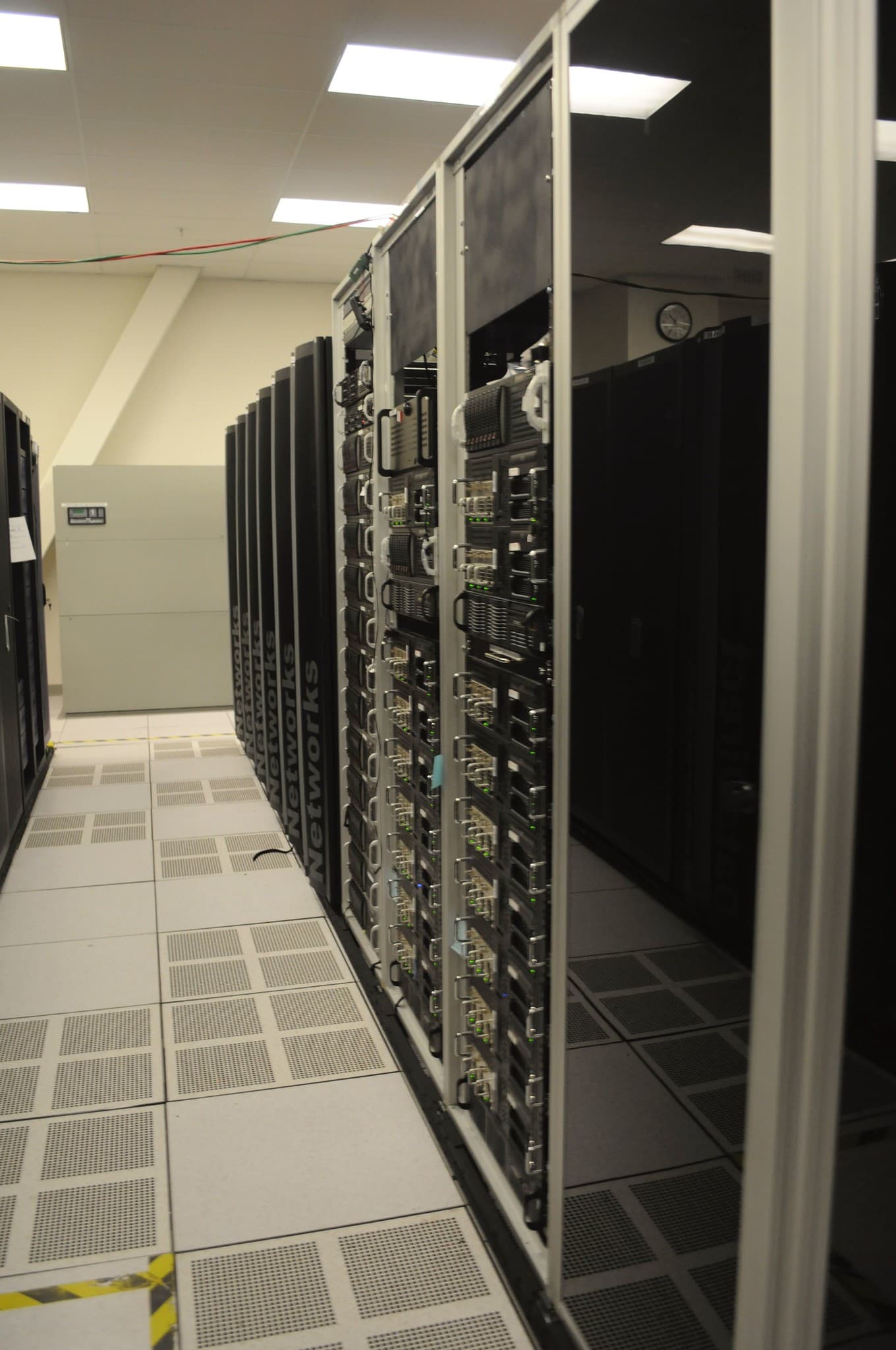
From a technical and product standpoint, robust security forms an invisible but formidable competitive moat for AI companies. Protecting proprietary large language models, training datasets, and novel algorithmic architectures requires a blend of physical security for data centers, advanced cybersecurity protocols, and operational security to prevent insider threats. This layered defense ensures the integrity of the company’s core product and research pipeline, safeguarding the competitive advantage derived from unique AI capabilities. The ability to innovate securely is paramount in an industry where breakthroughs are closely guarded secrets, often determining market leadership.
The escalating security concerns also carry potential regulatory and antitrust implications. Governments, particularly in the U.S. recognize AI as a critical technology with national security ramifications. The protection of key AI personnel and infrastructure could increasingly become a matter of public policy, potentially prompting discussions around government-backed security frameworks or tax incentives for robust corporate defense. As Paul Atkins, the current SEC Chair, has emphasized the importance of corporate governance and risk management, the scale of security spending in AI could draw closer scrutiny as an indicator of systemic risk and strategic importance.
Looking forward, the financial impact of enhanced security will weigh on operational expenditures and, consequently, on the profitability trajectories of AI firms. This trend also creates a burgeoning market opportunity for specialized security technology and services, particularly those leveraging AI for advanced threat detection and predictive analytics. Companies that can efficiently integrate state-of-the-art security without stifling innovation will possess a distinct advantage, shaping how future investment flows into both the AI and security sectors. The long-term trajectory points to security becoming an even more deeply embedded and strategic function within all high-tech enterprises.
Gokhshtein Media’s take is unequivocal: the era of understated security in tech is over, particularly for the AI sector. The recent incident serves as a stark reminder that the cost of safeguarding intellectual property and human capital in this strategically vital industry will only continue to climb. For investors, security spending is no longer just a cost center but an essential investment that underpins competitive moats, protects multi-billion dollar valuations, and ensures the continuity of innovation. Companies that fail to prioritize comprehensive security risk not only their assets but their very future in the global AI race.