In an era defined by rapid technological shifts and intense competition, enterprise leaders are making calculated strategic bets on core digital infrastructure and software platforms. These are not speculative ventures but rather deeply integrated investments in areas like advanced data "feeders," AI-powered "field guides," and high-performance computing essential for complex simulations or immersive enterprise applications—all considered tried-and-tested picks for driving tangible financial returns. The focus has sharpened on capital allocation towards technologies that offer clear competitive moats and measurable boosts to productivity and revenue. This strategic pivot emphasizes the underlying business model economics, moving beyond mere adoption to scrutinize the long-term value creation potential of each dollar invested in the tech stack. Companies are increasingly demanding demonstrable ROI from their tech expenditures, prioritizing platforms that promise enduring efficiency gains and market differentiation over fleeting trends.
The market's reaction to this disciplined approach is evident in the performance of key enablers. Cloud giants like Microsoft, trading at $414.44, Amazon at $268.26, and Alphabet at $385.69, continue to see robust demand for their infrastructure as enterprises scale their data and AI initiatives. NVIDIA, a critical provider of GPU architecture, closed at $198.45, reflecting the persistent, albeit sometimes volatile, investment in AI compute. Investors are rewarding companies that articulate clear strategies for leveraging these foundational technologies to expand margins or capture new market share, rather than those simply announcing large-scale, unfocused tech spending. The Nasdaq, up 0.9 percent today at $25,114, suggests a broader appetite for growth-oriented tech, but the discerning investor is looking beneath the surface for genuine economic impact.
This strategic emphasis on foundational tech investments marks a significant evolution from earlier waves of digital transformation. Historically, enterprise IT spending often involved broad-brush upgrades or reactive deployments. Today, the approach is surgical, informed by years of data on what truly moves the needle. The rise of cloud computing in the 2010s laid the groundwork, providing the scalable infrastructure necessary for modern data processing. Now, the focus is on optimizing that infrastructure with specialized software and AI capabilities, turning raw data into actionable intelligence. This shift reflects a maturing understanding that technology is not merely a cost center but a primary driver of enterprise value, demanding rigorous capital allocation decisions akin to any other major strategic investment.
Industry analysts concur on the criticality of these targeted investments. "The era of 'spray and pray' tech spending is over," said Sarah Chen, a managing director at Guggenheim Partners, specializing in enterprise software. "Companies are looking for solutions that integrate seamlessly, offer clear data governance, and provide verifiable uplift to their bottom line. The 'field guide' aspect—AI that truly informs decision-making—is becoming non-negotiable for sustained competitive advantage." This sentiment underscores a broader consensus that data integrity and the ability to extract meaningful insights are paramount. Firms that fail to invest strategically in these areas risk falling behind competitors who are actively leveraging advanced analytics to optimize operations and personalize customer experiences at scale.
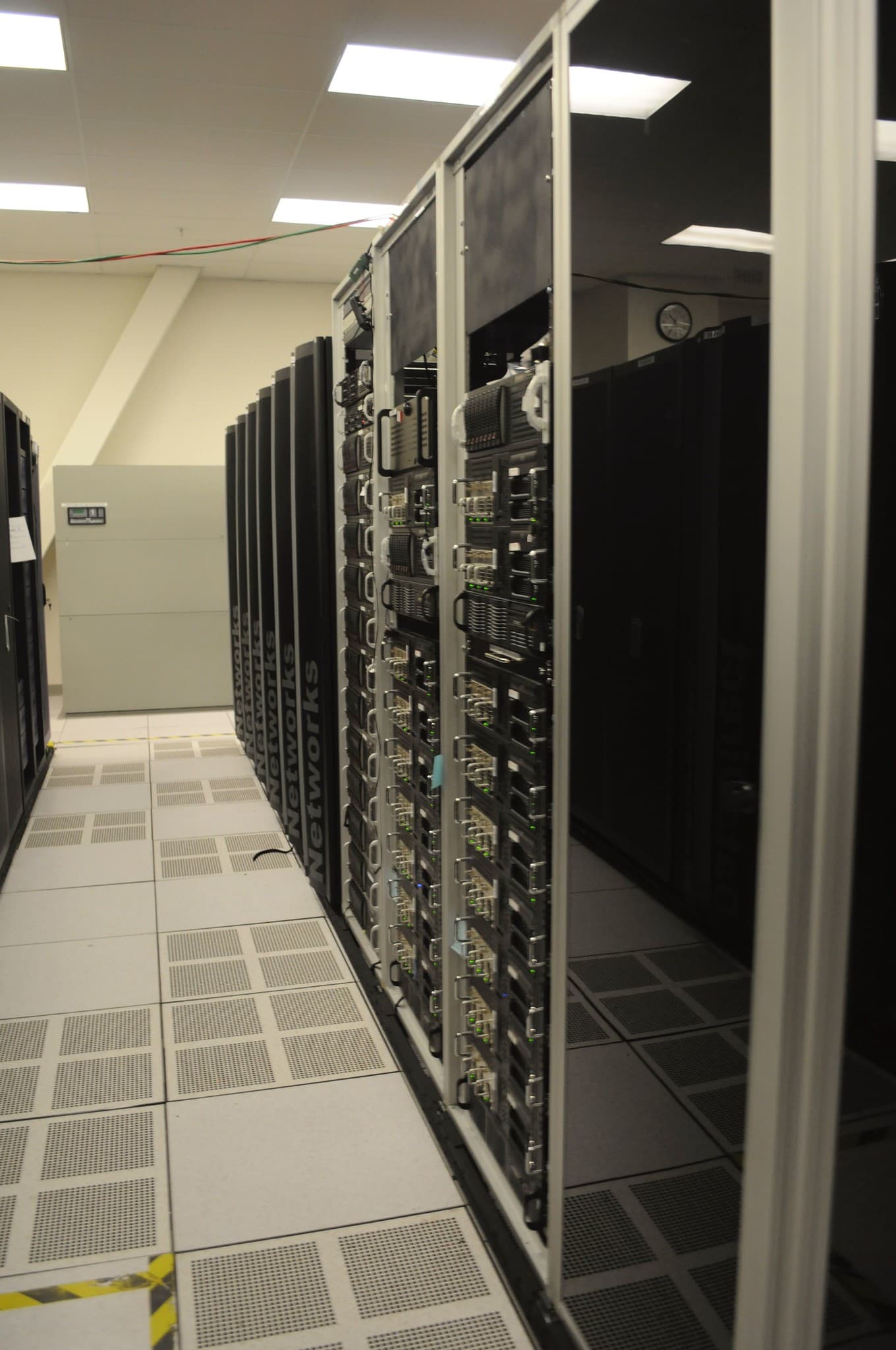
From a technical perspective, the success of these "tried-and-tested picks" hinges on sophisticated architectures. Data "feeders" rely on robust, scalable ingestion pipelines and data lakehouses that can handle petabytes of structured and unstructured information, often leveraging distributed processing frameworks like Apache Spark on cloud platforms. The "field guide" aspect is powered by advanced machine learning models, often running on NVIDIA's high-performance GPUs, enabling complex predictive analytics, natural language processing, and prescriptive recommendations. These systems require not just raw compute power but also sophisticated software stacks for model training, deployment, and continuous monitoring. The competitive moat often comes from proprietary data sets, specialized algorithms, and the deep integration of these systems into critical business workflows, making them difficult and costly for competitors to replicate.
While these strategic investments offer significant upside, they also attract regulatory scrutiny, particularly concerning data privacy and market concentration. The sheer volume of data ingested by these "feeders" and processed by AI "field guides" raises questions about data sovereignty, ethical AI use, and the potential for anti-competitive practices by dominant platform providers. Paul Atkins, the current SEC Chair, has consistently voiced concerns about data transparency and algorithmic accountability in financial markets, a sentiment echoed across various sectors. Furthermore, as a few large tech companies consolidate power in cloud infrastructure and AI tooling, antitrust considerations become increasingly relevant, prompting ongoing discussions among policymakers in the United States and globally about ensuring fair competition and preventing monopolies in critical digital domains.
Looking forward, the roadmap for these core tech investments points towards deeper integration and greater autonomy. Expect further advancements in edge computing, bringing data processing closer to the source and enhancing the real-time capabilities of "feeders." AI "field guides" will evolve from offering recommendations to proactively automating complex decisions, particularly in areas like supply chain optimization, fraud detection, and personalized medicine. The underlying GPU architecture will continue to advance, enabling even more realistic simulations and immersive enterprise training environments, blurring the lines between the digital and physical realms. Companies that master these capabilities are poised to unlock new revenue streams, optimize resource allocation, and maintain a decisive lead in their respective industries, driving substantial shareholder value over the next five to ten years.
The bottom line for Gokhshtein Media readers is clear: the current technology landscape demands a pragmatic, financially driven approach to innovation. The days of investing in tech for tech's sake are over. Enterprises that are effectively allocating capital to proven data platforms, sophisticated AI analytics, and high-performance computing infrastructure are building formidable competitive moats. These strategic bets, rather than consumer gadget enthusiasm, are the true indicators of future profitability and market leadership. As the global economy navigates ongoing uncertainties, the companies that prioritize these foundational, ROI-centric tech investments will be the ones that not only survive but thrive, setting new benchmarks for efficiency and market dominance across all sectors.