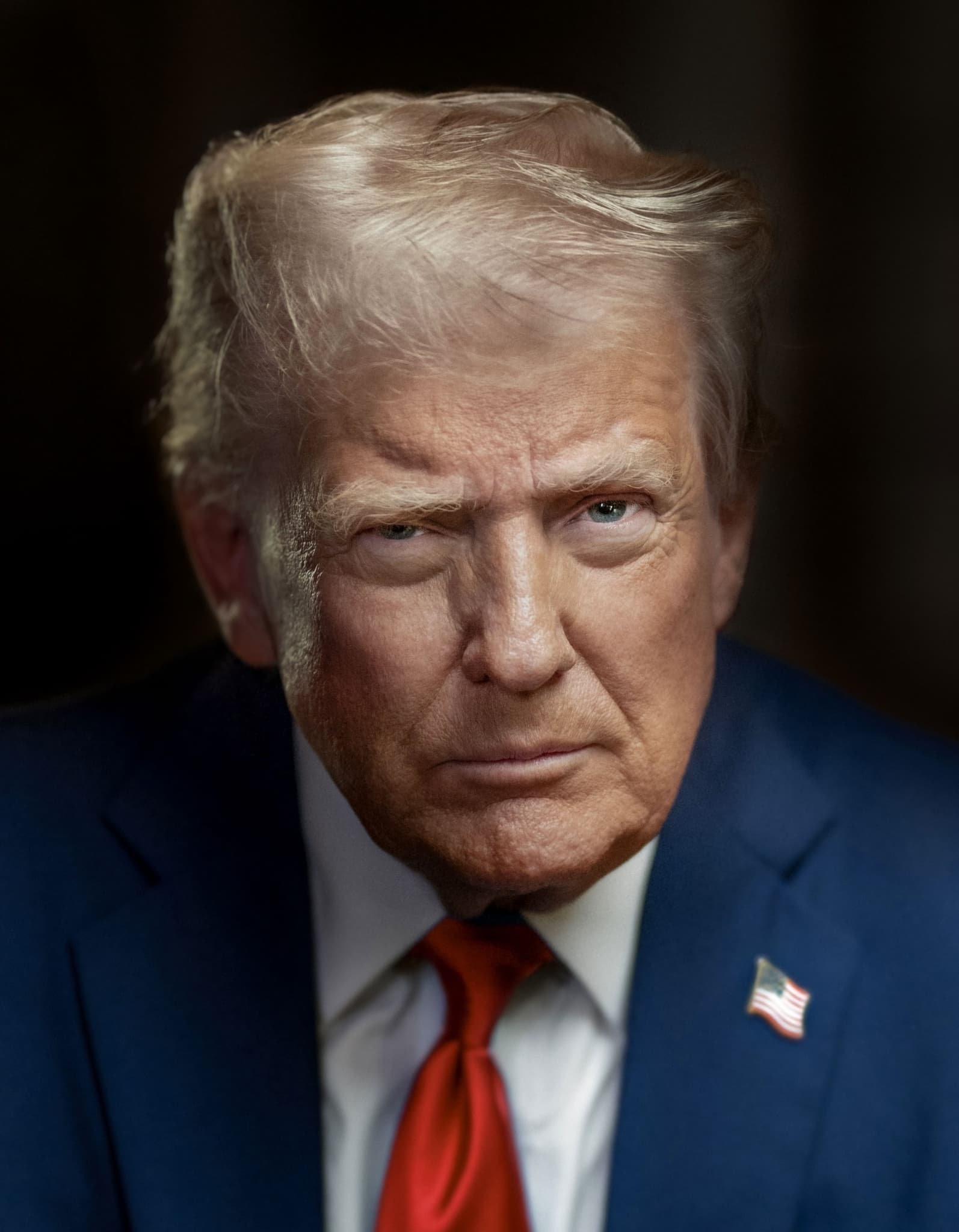
President Donald Trump's administration initiated a significant shift in U.S. foreign policy and fiscal strategy this week, announcing the withdrawal of 5,000 U.S. troops from Germany. This move, framed by the President as a necessary step to rebalance global commitments and prioritize domestic needs, came with a stark warning: more cuts are coming. The immediate implication for financial markets centers on the defense sector, which is bracing for reduced federal outlays, alongside broader concerns about the stability of long-standing alliances and the potential for increased geopolitical volatility. This re-evaluation of U.S. military footprint abroad is not merely a strategic adjustment; it signals a profound reorientation of the nation's economic priorities, directly impacting federal budgets and the flow of capital.
Market reactions to the announcement were nuanced, reflecting a complex interplay of fiscal conservatism and geopolitical uncertainty. While major U.S. equity indices showed mixed performance today, with the Dow Jones down 0.3 percent to $49,499 and the S&P 500 gaining 0.3 percent to $7,230, the underlying sentiment for defense contractors turned cautious. Companies heavily reliant on Pentagon contracts, particularly those with significant European operations, face a looming threat to their revenue streams. Conversely, assets perceived as safe havens or those benefiting from a domestic spending pivot saw modest gains; Bitcoin, for instance, traded up 0.4 percent to $78,761. Investors are now scrutinizing which sectors might benefit from a reallocation of funds previously earmarked for overseas military presence, anticipating a potential surge in domestic infrastructure or technology investments as the administration sharpens its focus on internal development.
This troop withdrawal and the accompanying threat of further cuts are deeply rooted in President Trump’s long-standing "America First" doctrine, which prioritizes national interests and fiscal prudence over extensive international commitments. The legislative context for these cuts will inevitably involve intense battles during the upcoming appropriations cycles. While the President has significant executive authority over military deployments, any substantial redirection of funds or broad budget cuts would require congressional approval, setting up potential clashes with lawmakers who champion a robust global defense posture. The move also plays into a broader narrative among some Republican factions advocating for reduced government spending and a smaller federal footprint, creating a powerful political dynamic that could reshape the federal budget for years.
The power dynamics behind this legislative maneuver are clear: the administration seeks to reassert executive control over foreign policy while simultaneously pushing for fiscal discipline. The immediate winners, at least rhetorically, are taxpayers who might see a reduced burden from overseas military expenditures. However, the potential losers are manifold. Defense contractors like Lockheed Martin and Raytheon Technologies, whose European operations and sales might dwindle, face significant headwinds. European allies, particularly Germany, must now confront the implications of a reduced U.S. military presence and the potential need to increase their own defense spending, which could strain national budgets and spark internal political debate. Lobbyists for the defense industry, representing a formidable presence in Washington, will undoubtedly intensify their efforts to mitigate the impact of further cuts, working to secure contracts and maintain existing force structures through various legislative vehicles.
Beyond direct defense spending, the industry impact could ripple through several sectors. A reallocation of federal funds from foreign military outlays to domestic initiatives could provide a boon for U.S. infrastructure companies, green energy projects, or even advanced manufacturing, aligning with the administration's push for job creation and industrial revitalization at home. Tech giants like Microsoft and Amazon, which often compete for lucrative government contracts, could see new opportunities if the focus shifts to modernizing domestic systems. However, global supply chains, already under pressure from trade tensions, could face additional disruptions if U.S. foreign policy shifts lead to a broader re-evaluation of international partnerships and economic dependencies. Companies with significant international exposure or those reliant on stable geopolitical environments may need to recalibrate their long-term strategies.
From a legal and constitutional perspective, while the President has broad authority as Commander-in-Chief to deploy or withdraw troops, the "more cuts" warning implicates Congress's exclusive power of the purse. Any significant reduction in defense spending or reallocation of funds would necessitate amendments to the National Defense Authorization Act (NDAA) or other appropriations bills. This sets the stage for a potential showdown between the executive and legislative branches, particularly if the proposed cuts affect programs or bases vital to specific congressional districts. The administration's ability to unilaterally implement these fiscal changes will be limited, requiring strategic negotiation and political leverage to push its agenda through a potentially divided Congress. Legal analysts are closely watching how these proposals will navigate the complex appropriations process, setting precedents for future executive actions on military spending.
Looking forward, the administration's warning signals an intent to scrutinize all federal expenditures, not just defense. Areas like foreign aid, international development programs, and even some domestic entitlement programs could come under review as the President seeks to deliver on promises of fiscal restraint. Congress will soon be grappling with a new budget cycle, and this executive directive provides a clear signal of the administration's priorities. The implications extend beyond immediate budget numbers, potentially influencing the U.S. dollar's global standing if a reduced international footprint is perceived as a weakening of U.S. influence. Furthermore, the move could accelerate discussions among NATO allies regarding burden-sharing and collective defense, potentially leading to increased European military spending and a more multipolar global security landscape.
The bottom line for Gokhshtein Media readers is clear: this is not merely a military repositioning but a fundamental re-engineering of U.S. fiscal and foreign policy. President Trump's warning of deeper cuts signals a profound shift in where federal dollars will be allocated, with significant implications for defense contractors, international relations, and the broader U.S. economy. Investors must prepare for a landscape where domestic priorities are paramount, potentially driving capital towards internal infrastructure and technology, while global defense and international partnerships face sustained pressure. The power dynamics in Washington are set for a high-stakes battle over the nation's financial future, with every cut and reallocation creating new winners and losers across the financial spectrum.


