A recent national poll has laid bare a significant disconnect between public sentiment and the aggressive lobbying efforts by the artificial intelligence and cryptocurrency sectors, indicating widespread American unease with both technologies. Despite billions flowing into midterm election campaigns from tech and crypto interests, a substantial portion of the U.S. electorate views these innovations with skepticism, signaling potential legislative hurdles for an industry accustomed to rapid, often unregulated, expansion. This public apprehension could empower lawmakers inclined towards stricter oversight, creating a challenging environment for technologies that thrive on regulatory clarity and public adoption, even as the broader market shows resilience.
While the poll results did not trigger immediate, sharp market reactions, the underlying sentiment contributes to a climate of regulatory uncertainty that can weigh on investor confidence, particularly for nascent industries like crypto and AI. Today, key digital assets like Bitcoin traded at $78,652, up 0.7 percent over the last 24 hours, while Ethereum climbed 0.8 percent to $2,319, reflecting a generally neutral Crypto Fear & Greed Index reading of 47. Broader equity markets presented a mixed picture, with the Nasdaq Composite rising 0.9 percent to $25,114 and the S&P 500 gaining 0.3 percent to $7,230, even as the Dow Jones Industrial Average dipped 0.3 percent to $49,499. The divergence highlights that while overall market momentum holds, specific sectors perceived as risky or poorly understood by the public may face disproportionate political pressure, influencing long-term investment strategies and corporate valuations.
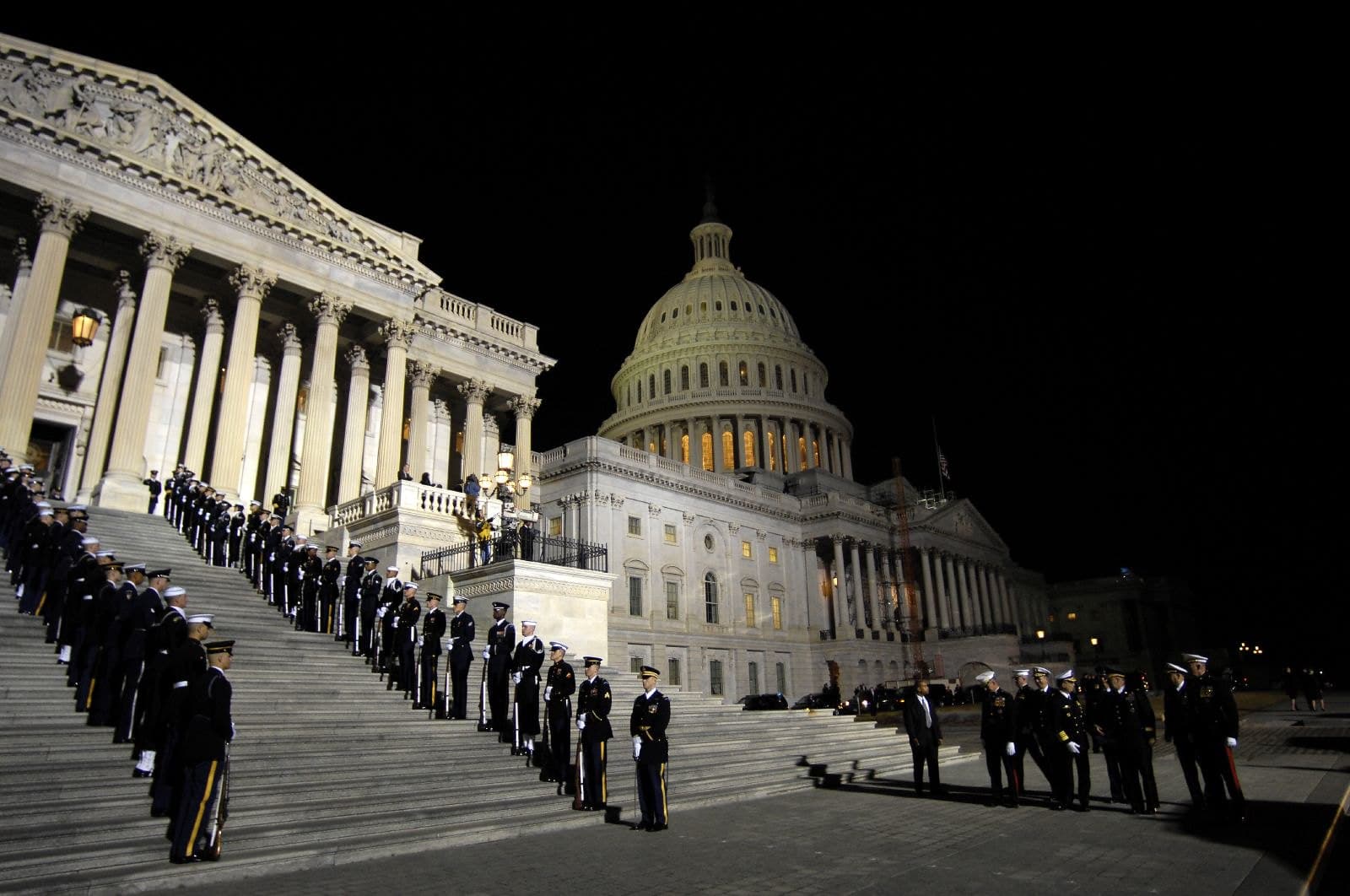
The findings arrive as Washington gears up for the 2026 midterm elections, where control of Congress hangs in the balance and tech policy is increasingly becoming a battleground issue. Lobbying groups such as the Blockchain Association and the Crypto Council for Innovation have poured millions into congressional races, aiming to elect candidates sympathetic to favorable digital asset legislation, particularly a comprehensive stablecoin framework. Similarly, AI giants like Google, Microsoft, and OpenAI have significantly ramped up their political spending, pushing for regulatory sandboxes over restrictive new laws. This collision of public skepticism and concentrated political spending creates a volatile legislative landscape, where the public's voice, amplified by the poll, could complicate the industry's legislative agenda.
Key stakeholders on both sides are now recalibrating their strategies. Industry advocates, including Coinbase’s robust government affairs team and the leading AI research labs, must confront the reality that public unease could stall or even reverse favorable policy initiatives. On the other hand, consumer protection advocates and privacy groups, who have long warned about the potential societal risks of unchecked AI and the speculative nature of certain digital assets, find new leverage. Politicians like Senator Elizabeth Warren and Representative Maxine Waters, who have consistently called for stringent crypto and AI regulation, will likely seize upon these poll results to push for aggressive oversight measures, potentially derailing efforts by Representative Patrick McHenry and other pro-innovation lawmakers.
The industry impact is palpable, particularly for companies operating at the forefront of these technologies. Firms like Ripple, which has grappled with years of regulatory uncertainty regarding its XRP token, could face renewed scrutiny, potentially increasing compliance costs and hindering market expansion. AI developers, from large language model creators like OpenAI to specialized robotics firms, may see increased calls for stringent data privacy rules and algorithmic transparency requirements, affecting product development cycles and deployment strategies. Even established tech giants like Apple, currently trading at $280.14, and Amazon, at $268.26, which are deeply invested in AI research and deployment, will need to navigate heightened public and political scrutiny, potentially impacting their ability to innovate without significant regulatory overhead.
From a legal standpoint, the poll results could embolden regulatory bodies to pursue more aggressive enforcement actions under existing statutes, rather than waiting for new legislative mandates. SEC Chair Paul Atkins has consistently maintained that many cryptocurrencies fall under the agency’s jurisdiction as securities, and public unease may strengthen his resolve to pursue enforcement actions against non-compliant entities. For AI, the lack of a comprehensive federal framework means agencies like the Federal Trade Commission and the National Institute of Standards and Technology are left to interpret existing laws, a task that becomes more urgent when public trust erodes. The potential for a patchwork of state-level regulations also looms larger, creating a complex and costly compliance maze for companies operating nationwide.
Looking ahead, the midterms will serve as a critical barometer for the future of crypto and AI regulation. If candidates campaigning on platforms of stricter oversight gain significant ground, the legislative pipeline could see a surge of bills aimed at curtailing industry practices, imposing new liabilities, and demanding greater transparency. Executive orders from President Trump, who has expressed interest in both the economic potential and national security implications of AI, could also emerge as a significant regulatory force. The Federal Reserve and Treasury Department will continue their work on central bank digital currencies and stablecoin frameworks, but public sentiment could influence the pace and nature of these initiatives, potentially favoring more conservative approaches.
The bottom line for Gokhshtein Media readers is clear: the substantial financial investments by the crypto and AI industries into the political process are encountering a formidable obstacle in the form of widespread public distrust. While money undoubtedly influences policy, the sustained unease among American voters cannot be indefinitely ignored by elected officials, especially in an election year. This dynamic sets the stage for a protracted legislative battle, where the push for innovation will increasingly clash with demands for consumer protection and societal safeguards, ultimately shaping the power dynamics in Washington and the economic future of these transformative technologies.


