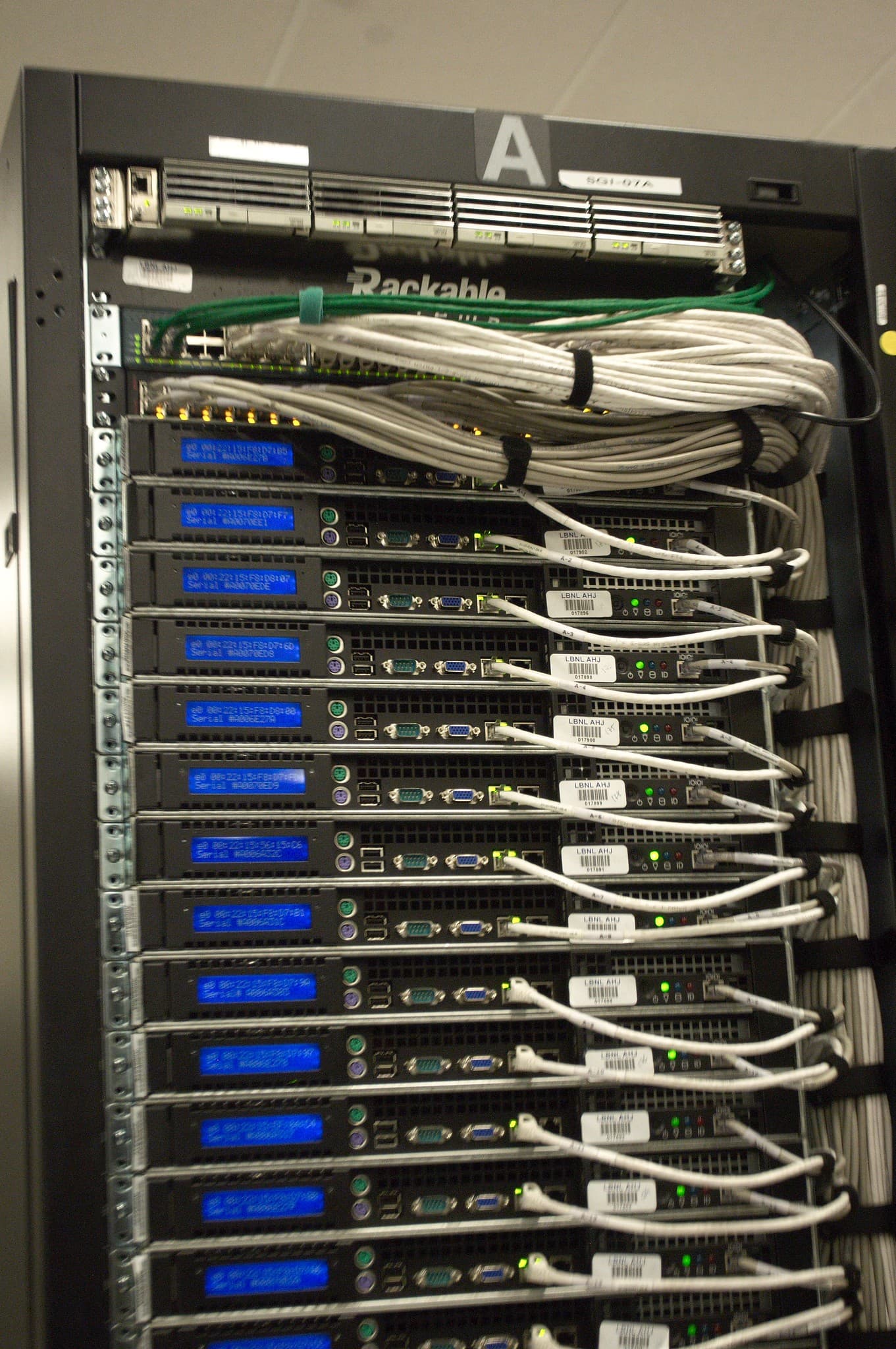
The Pentagon's recent signing of significant artificial intelligence deals with leading technology firms — Google, OpenAI, Nvidia, Microsoft, Amazon, and SpaceX — marks a pivotal moment, fundamentally reshaping the defense industrial base and channeling unprecedented capital into the AI sector. This strategic pivot reflects a clear mandate to embed advanced AI capabilities across U.S. defense operations, signifying a long-term commitment that transcends traditional procurement cycles and structurally advantages these tech behemoths. The move underscores AI's elevation from a commercial innovation to a critical national security imperative, with profound implications for both market structure and geopolitical competition.
While specific contract values remain undisclosed, the sheer scale and breadth of the partnerships indicate a multi-billion dollar commitment, a substantial allocation of resources that will directly boost the revenue and research & development capabilities of these companies. Microsoft, currently trading at $414.44, and Alphabet (Google's parent), at $385.69, are poised to leverage their extensive cloud infrastructure and AI research divisions. Nvidia, a critical enabler of AI with its specialized hardware, trades at $198.45, and stands to benefit immensely from increased demand for its chips, while Amazon, priced at $268.26, will likely see expanded utilization of its AWS cloud services for secure government projects. These deals do not merely represent new business; they are a validation of these companies' long-term AI strategies, securing their positions at the forefront of this transformative technology.
This strategic alignment with the private sector represents a methodological shift in how the United States approaches defense innovation. Historically, defense contracts focused on hardware and platform development, but the new emphasis is on software, data intelligence, and autonomous systems, reflecting a modern battlefield defined by information superiority. The Pentagon's decision to partner with commercial AI leaders, rather than solely relying on traditional defense contractors, acknowledges the rapid pace of innovation outside conventional channels. This ensures the U.S. military gains access to cutting-edge AI, from large language models to advanced robotics, solidifying its technological advantage and validating the long-term investment thesis in AI infrastructure and applications.
Institutional investors have long recognized the strategic importance of AI, accumulating significant positions in these tech giants, and this announcement serves to reinforce their conviction. Hedge funds and asset managers with mandates focused on disruptive technologies or defense-related sectors are likely to increase their exposure, viewing these contracts as de-risking events that guarantee future revenue streams and accelerate AI development roadmaps. While specific funds cannot be named for their current positions, firms like ARK Invest have consistently highlighted AI as a generational investment opportunity, and these government contracts provide tangible evidence of AI's integration into critical national infrastructure, further justifying their bullish outlook on the sector's leaders.
This U.S. strategy of leveraging its private sector AI prowess for defense contrasts sharply with the state-led, often more centralized AI initiatives seen in other global powers. By tapping into the agile, innovative ecosystems of Silicon Valley and Seattle, the United States aims to maintain a qualitative edge in AI development and deployment. This approach could accelerate the development of dual-use technologies, where advancements in commercial AI quickly translate to defense applications, fostering a dynamic feedback loop. However, it also raises questions about the competitive landscape for smaller AI startups, which may find it challenging to compete for defense contracts against these established behemoths, potentially leading to further market consolidation.
Despite the significant strategic advantages, the Pentagon's deep integration with tech giants introduces several material risk factors. A primary concern is concentration risk, as critical defense infrastructure becomes increasingly reliant on a handful of powerful corporations, potentially reducing competition and raising vendor lock-in issues. Ethical considerations surrounding the use of autonomous AI in warfare, including accountability and decision-making processes, also demand rigorous scrutiny and public debate. Furthermore, the expanded attack surface created by interconnected AI systems increases cybersecurity vulnerabilities, necessitating robust defenses against state-sponsored and non-state actors. Finally, this acceleration of defense AI could intensify the global AI arms race, leading to unforeseen geopolitical escalations.
Looking forward, these deals are poised to catalyze rapid advancements in AI capabilities directly relevant to national security, from predictive logistics to enhanced intelligence analysis and autonomous operational systems. We anticipate a continued surge in demand for specialized AI talent, exacerbating existing talent wars across the tech industry. Investment flows will remain robust into AI infrastructure, particularly in high-performance computing and cloud services, benefiting companies like Nvidia and the cloud divisions of Microsoft, Amazon, and Alphabet. The stock performance of these involved tech giants, already strong with Microsoft at $414.44 and Alphabet at $385.69, could see sustained support from these long-term government commitments, reinforcing their market leadership within the broader S&P 500, which currently stands at $7,230. Policy discussions around AI regulation, ethics, and national security will undoubtedly intensify as these technologies become more deeply embedded.
The bottom line for Gokhshtein Media's research desk is clear: the Pentagon's comprehensive AI partnerships with industry leaders represent a watershed moment, fundamentally cementing artificial intelligence as the next frontier of both national security and economic power. This strategic alignment promises sustained revenue growth and accelerated innovation for the selected tech giants, solidifying their market positions. Investors must recognize this profound structural shift, which will drive long-term capital allocation towards AI-centric portfolios, while simultaneously grappling with the complex ethical, geopolitical, and concentration risks inherent in this transformative technological integration. This is not merely a series of contracts; it is a redefinition of the defense industrial complex for the 21st century.


